


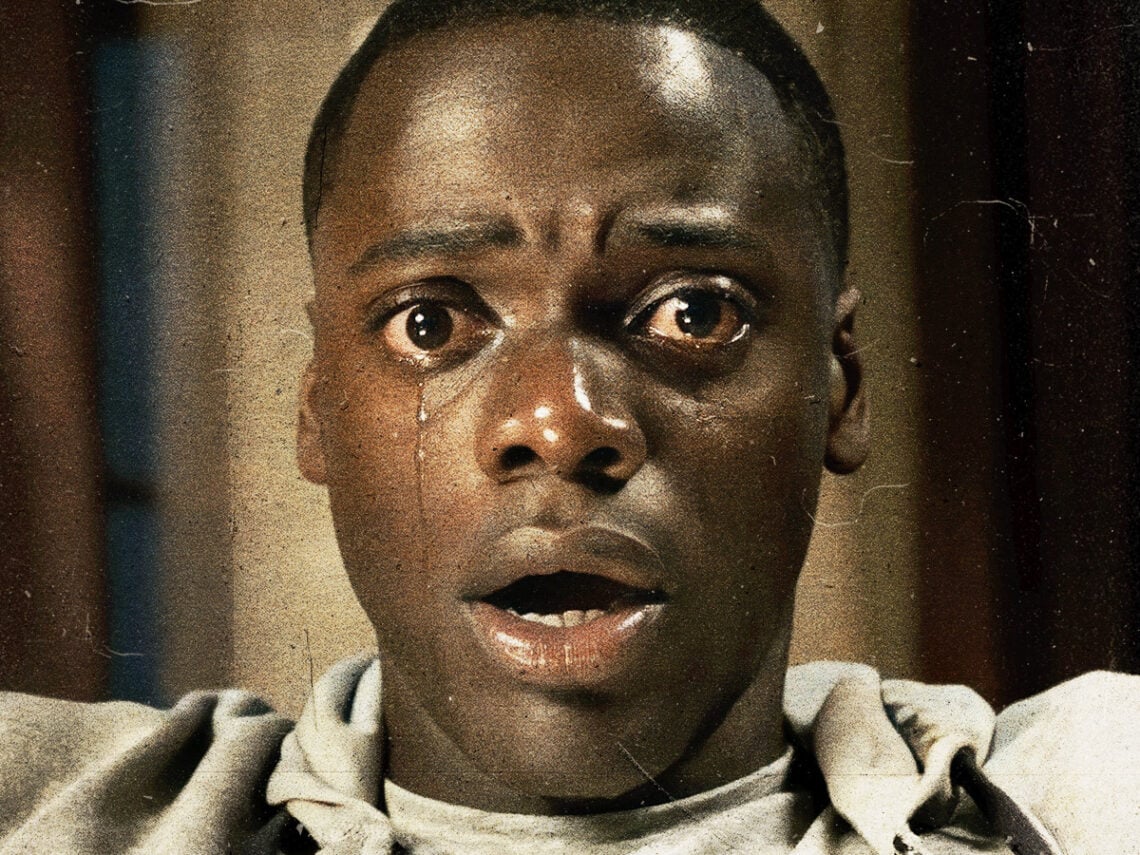
Why Jordan Peele was left heartbroken at the success of ‘Get Out’

As far as heartbreak goes, an Academy Award-winning box office juggernaut instantly cemented as one of its genre’s finest films to release throughout the entirety of the 21st century isn’t what anyone would call devastating, even if Jordan Peele wasn’t entirely satisfied with the reception to Get Out.
Best known at the time as one-half of the titular sketch comedy duo alongside Keegan-Michael Key, there was no indication heading into the film that Peele was about to become an overnight sensation of auteurism. He’d never written a horror movie or even acted in one, but he was at least a lifelong devotee of cinematic scares.
Manifesting it onscreen with a deliciously dark streak of subversive humour and socio-political commentary, Get Out was a riveting statement of intent. Audiences and critics simply couldn’t get enough of the supernatural psychological nightmare, with its creator going from first-timer to Oscar winner on the back of its success.
Get Out recouped its thrifty $4.5 million production budget more than 50 times over at the box office, saw him become the first African-American to ever win an Oscar for ‘Best Original Screenplay’, and secured further nominations for ‘Best Picture’, ‘Best Director’, and ‘Best Actor’ for Daniel Kaluuya.
The themes and undercurrents of Get Out have been unpacked and analysed under great scrutiny since the movie first hit cinemas, but ask Peele what it was, and he’d say it was a horror flick. The filmmaker wouldn’t dive into its deeper meanings, nor would he try to paint it as a resonant statement on the current complexion of American society, and he was a touch upset that it became its biggest contribution to the discourse.
“I’m such a horror nut that the genre confusion of Get Out broke my heart a little,” he admitted to Rolling Stone. “I set out to make a horror movie, and it’s kind of not a horror movie. As a horror fan, I really wanted to contribute something to that world.”
Peele went in with the intention of making a horror in the vein of the ones he’d admired and idolised growing up, but somewhere along the line, it evolved into a socially conscious thriller with unsettling undertones. It may have been a natural part of the process, but the blurring of lines ultimately saw its horror trappings overlooked in favour of its multitudes.
Not that he was vehemently opposed to people viewing the bigger picture and examining the subtleties, complexities, and nuances of his first feature, but in his mind, all he wanted to do was deliver a crowd-pleasing terror. Of course, that’s exactly what he did, but Get Out ended up contributing much more to the cultural conversation than its entertainment value.
