


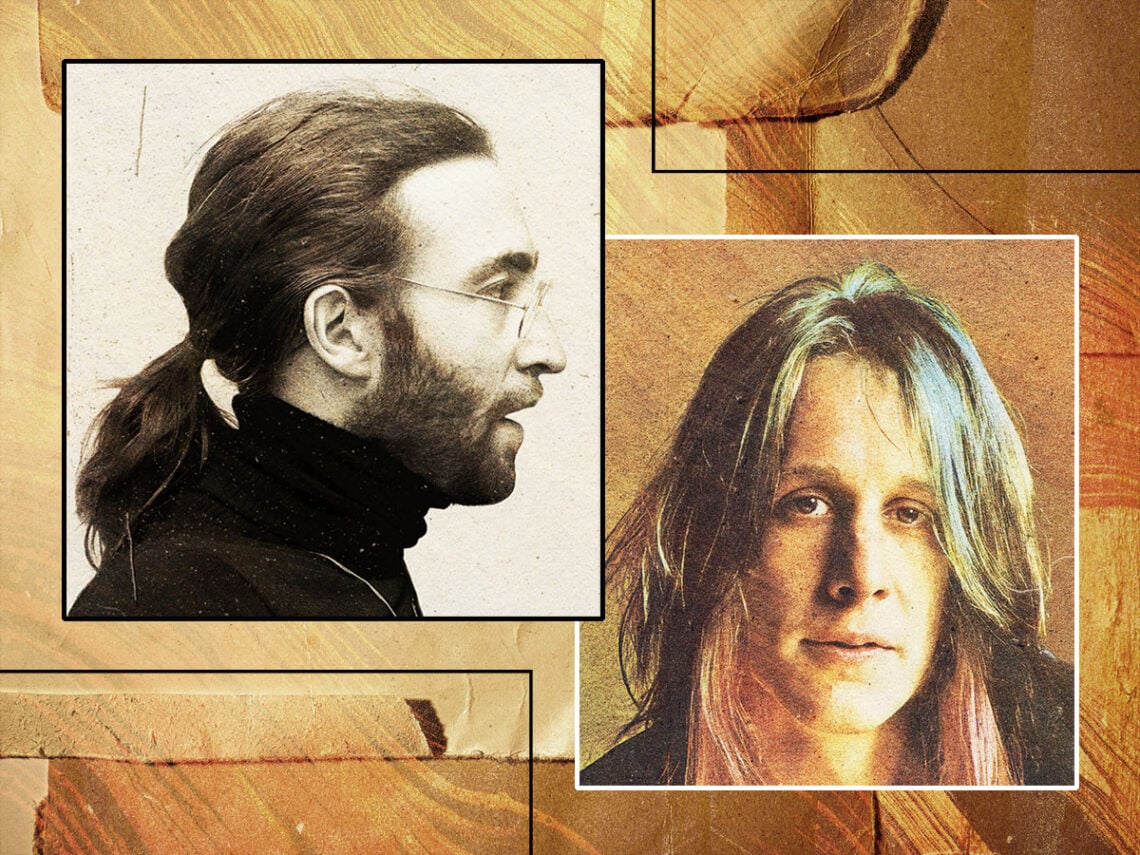
The reason John Lennon and Todd Rundgren couldn’t stand each other

John Lennon never minced words about any musician throughout his career.
Whether it was disparaging his own Beatles material or dragging another sorry musician through the mud, ‘The Intellectual Beatle’ would be more than willing to run his mouth about how a particular artist did or didn’t deserve the acclaim they have. Although Lennon may have had critical and commercial acclaim, Todd Rundgren was also becoming a writer on the same level as the solo Beatle.
That parallel, though, was never likely to lead to mutual admiration. Both Lennon and Rundgren operated with strong convictions about what music should represent, and neither was particularly inclined to soften those views for the sake of diplomacy. It created an environment where respect for ability did not necessarily translate into respect for approach, especially when their philosophies began to diverge.
There was also a sense of generational overlap at play. While Lennon was transitioning into a new phase of his career, grappling with fame and identity outside of The Beatles, Rundgren was still carving out his own space and pushing against the figures who had come before him. That tension made their eventual clash feel almost inevitable, as both artists sought to define their place in a rapidly shifting musical landscape.
During the early 1970s, Rundgren’s string of hits like ‘Hello It’s Me’ became an integral part of ‘70s pop and progressive music. While the melodies may have owed a bit to the work of The Beatles, Rundgren wasn’t exactly willing to heap praise on Lennon’s name.

As Lennon started his solo career by releasing albums like Plastic Ono Band and Imagine, Rundgren began to take offence to Lennon’s place in music history. Even though he was already solidified as one of the greatest writers of his time, Rundgren saw Lennon’s advocacy for peace as nothing but posturing, telling Melody Maker, “All he really wants to do is get attention for himself, and if revolution gets him that attention, he’ll get attention through revolution.”
Though Rundgren never doubted that Lenon wrote powerful songs, he thought his position as a borderline prophetic figure in the music industry was overblown, continuing, “Nixon was just like another generation’s John Lennon. Someone who represented all sorts of ideals but was out for himself underneath it all. Like the Beatles had no style other than being the Beatles.”
Rundgren would later rally against Lennon in the song ‘Rock and Roll Pussy’. Though there has been no confirmation on who the song is actually about, it’s clear that Rundgren is playing against the mindset that he’s talking about when describing Lennon in Melody Maker, especially when mentioning the revolution on TV.
At the time, riding off the success of the politically charged Some Time in New York City, Lennon struck back with an open letter to Rundgren with subtle critiques about his then-new group, The Nazz. Labelling him Sodd Runtlestuntle, Lennon held nothing back in debunking every claim Rundgren had.
In response to his need to bring about revolution, Lennon wrote, “I guess we’re all looking for attention Rodd, do you really think I don’t know how to get it, without “revolution?” I could dye my hair green and pink for a start!”.
Regardless of his status as one of the leading voices of his generation, Lennon was also adamant about speaking for his ideals, reminding Rundgren, “I don’t represent anyone but my SELF. It sounds like I represented something to you, or you wouldn’t be so violent towards me. (Your dad perhaps?)”.
Then again, even Lennon could admit that Rundgren had a point when calling him a hypocrite preaching peace, given his violent past. Although Lennon would lash out in the past, confronting his anger helped inform the next phase of his career, looking for peace and achieving it later in life when working on the album Double Fantasy with Yoko Ono.
Even though the dust-up may have continued for a few years, that didn’t stop Rundgren from working alongside other Beatles, becoming a member of Ringo Starr’s All-Starr Band off and on for years. Rundgren and Lennon may have had their differences, but regardless of their animosity towards each other, they could still create the most enduring classics of the 1970s.

Never Miss A Beat
The Far Out Beatles Newsletter
All the latest stories about The Beatles from the independent voice of culture.
Straight to your inbox.