


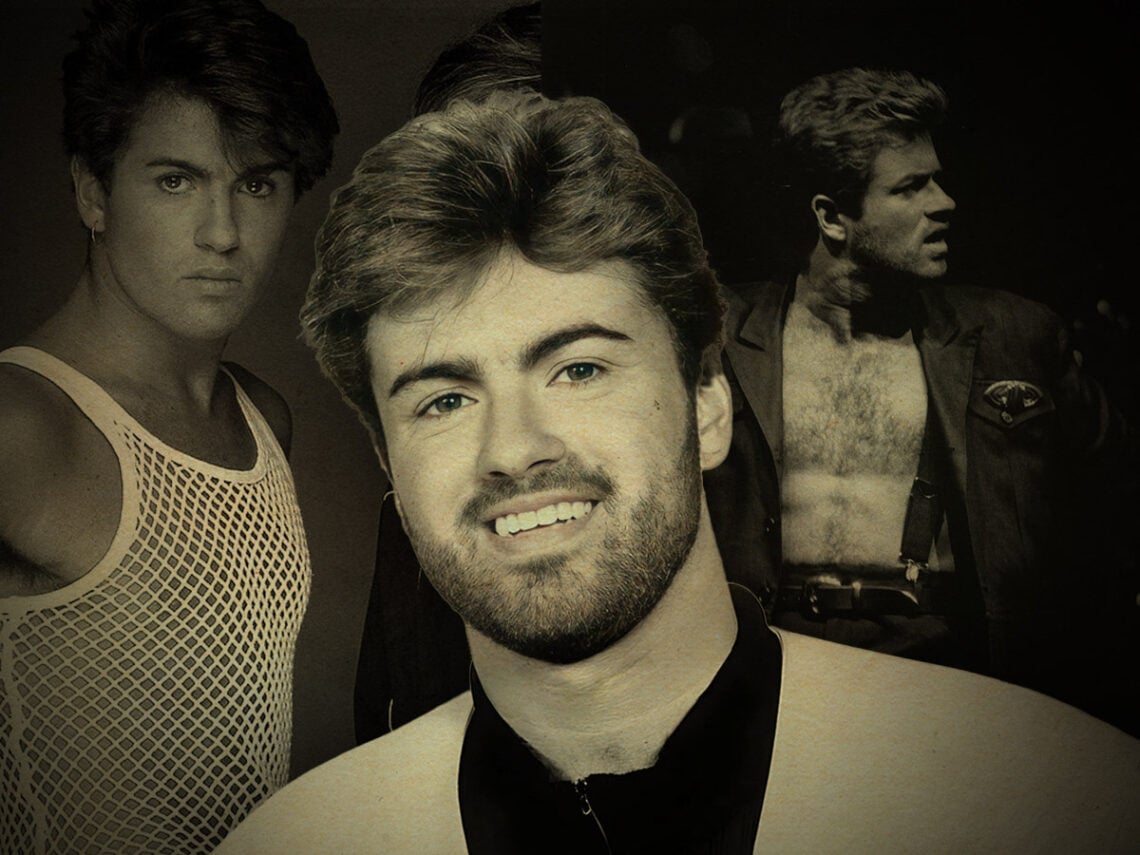
Why George Michael felt “accepted without question” by African American audiences

When George Michael’s name appeared on the performers’ list for the star-studded Motown Returns to the Apollo concert in New York in 1985, a lot of people, including devoted Wham fans, were a tad bewildered.
The event, after all, was a celebration of two American icons: the Apollo Theatre in Harlem, where George Michael had never performed, and the Motown record label, with whom he was not under contract. Because the concert was specifically marking the 50th anniversary of the recently renovated Apollo and the long tradition of Motown artists performing there, the majority of the names booked for the televised concert special were the legendary heavy hitters of Hitsville USA: Diana Ross, The Temptations, The Four Tops, Smokey Robinson, Mary Wells, Martha Reeves and The Vandellas, and of course, Stevie Wonder, who first signed to Motown as an 11-year-old in 1961.
George Michael certainly didn’t have those kinds of credentials, but that wasn’t the issue that was raising eyebrows. Critics were more confused as to why a white, English pop singer was invited to an historically African American venue to perform alongside a line-up of predominantly African American soul and R&B artists.
At the time, Wham was only three years into their career, but were seen as complete newcomers in the States, where the group had gone largely unnoticed until the release of the ‘Wake Me Up Before You Go Go’ single a year earlier. That song, powered by its memorable ‘Choose Life’ MTV video, went to number one on both sides of the pond and made Michael and his bandmate Andrew Ridgeley huge international stars, as well as the targets of endless ridicule.
Even compared to some of their hair-sprayed contemporaries in the bedroom poster genre, Wham was a tough pill to swallow; their enthusiastic early forays into hip hop and soul music drew more comparisons to Pat Boone than Little Richard.
At the time of the Apollo special in May of ‘85, Wham was on a bit of a hiatus. The ‘Last Christmas’ single had dominated the previous holiday season, but rumours were now swirling that the charismatic frontman, Michael, might be looking to break out on his own, despite the protestations he’d worked into the lyrics of ‘Wake Me Up’ (“I’m not planning on going solo”).
When Michael received a phone call from the organisers of the Apollo show, the invite was, apparently, not to have Wham perform at the Apollo, but for Michael himself to appear as a guest vocalist, sans Ridgeley.
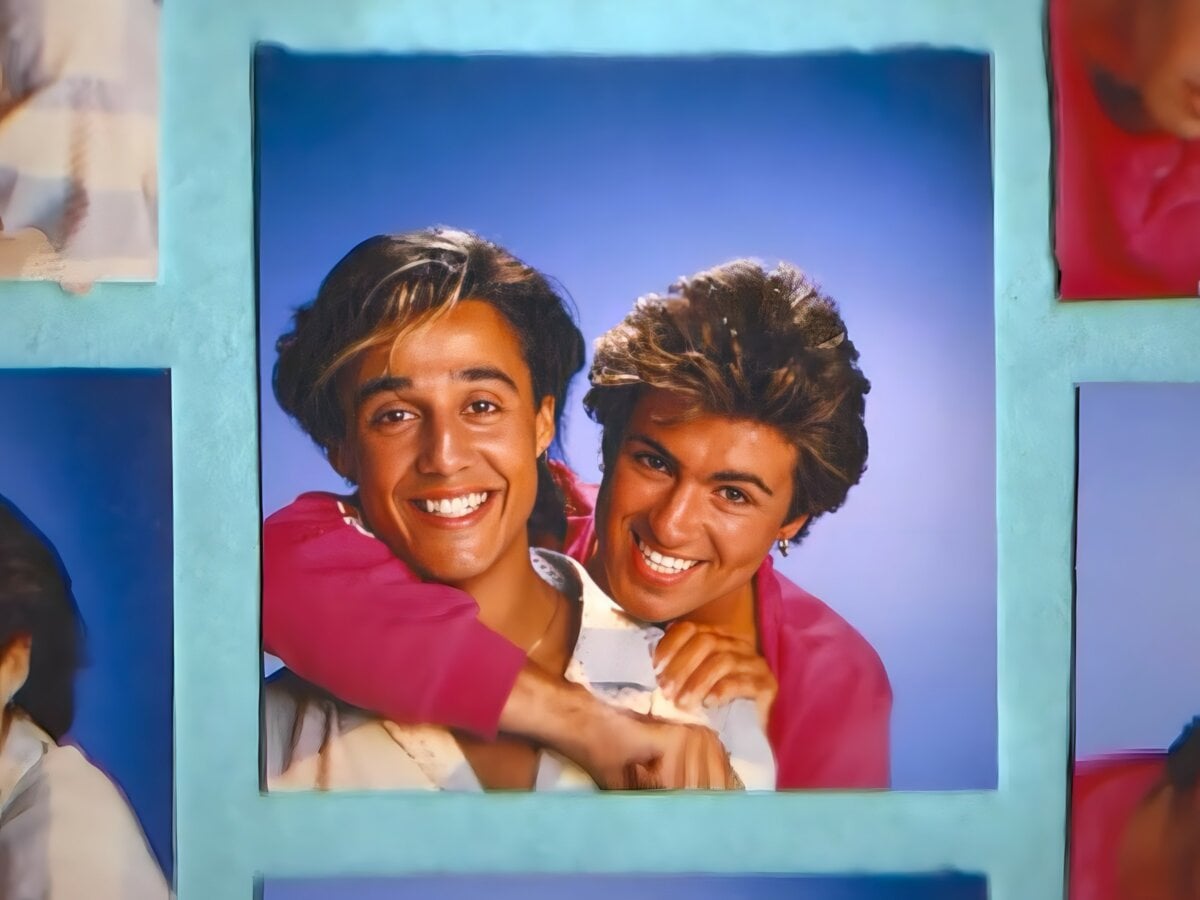
“I was asked if I would like to appear, and then they phoned back and said they would like me to do ‘Careless Whisper’ with Smokey Robinson,” Michael later told Smash Hits, “I was there in a daze, I just couldn’t understand why they had invited me… To be one of three white people involved (along with Boy George and Rod Stewart) on a show like that was just amazing.”
‘Carless Whisper’ was Wham’s follow-up to ‘Wake Me Up’ and delivered them another number one hit, albeit a far more soulful one; essentially a ‘slow jam’ in the classic R&B sense. This was likely the song that put Michael on the radar of the concert producer Don Mischer, the man in charge of recruiting the talent for the Apollo special. Mischer was trying to thread a needle by appeasing the network television execs at NBC, who wanted as much crossover pop appeal as possible, and the music press, who didn’t want anything disrupting the sanctity of the Motown and Apollo brands.
“Basically, we wanted to have some white artists that were influenced by the music of the Apollo and Motown,” Mischer openly acknowledged shortly before the special aired, responding to criticism of George Michael’s prominent involvement, “Mick Jagger wanted to do this very badly, but couldn’t get out of a commitment, and Elton John had an ear infection. I know we caught a lot of flak for having Adam Ant on [1983’s very successful] Motown 25 [concert special], but before the show aired, we were catching a lot of it from NBC about having a predominantly Black show.”
One person blissfully unaware of the apparent controversy around his involvement in the Apollo show was George Michael himself, who was enthusiastic and pure-hearted in his excitement over the gig, especially when he was asked if there were any other Motown legends he might like to share the stage with.
“My eyes lit up,” Michael recalled, “And I said ‘Stevie Wonder’, thinking there would be no chance of doing it, and they said ‘Yes!’ And then there was backwards and forwards talk about what numbers we should do, and I very tentatively put forward an old Stevie Wonder song called ‘Love’s In Need of Love Today’ [from 1976’s Songs in the Key of Life], and he said he was delighted that I’d chosen that one. In fact, when we actually did it, he worked this whole speech around it, and it became the finale to the show.”
Not everything went smoothly on the night of the concert, which was pre-taped on May 4th, 1985, and edited heavily from six hours down to three for its broadcast two weeks later. “You have no idea,” Mischer told the Austin American-Statesman, “How difficult it is just to have the right person on stage at the right time with a working mike in his hand.”
George Michael’s duet with Smokey Robinson, the second performance of the evening, was one of the many that had to be stopped halfway through and restarted after Michael waved his hands to the producers and explained that he was “two bars behind the rest of the band”, who apparently had their own ideas about the pacing of ‘Careless Whisper’. It might have stood out as an embarrassing moment, if not for the fact that the night was riddled with similar chaotic incidents, including Diana Ross having to sing her big surprise closing number three times after botching the words twice.
While Mischer and his editors were frustrated, the audience at the Apollo was much more understanding. That included an enthusiastic response to Michael during both of his songs on the evening. Rather than treating the pop star as an upstart or a usurper alongside Smokey or Stevie Wonder, he was welcomed as a fellow soul singer.
“That was great for me because it was a kind of Black acceptance for Wham,” Michael said afterwards.
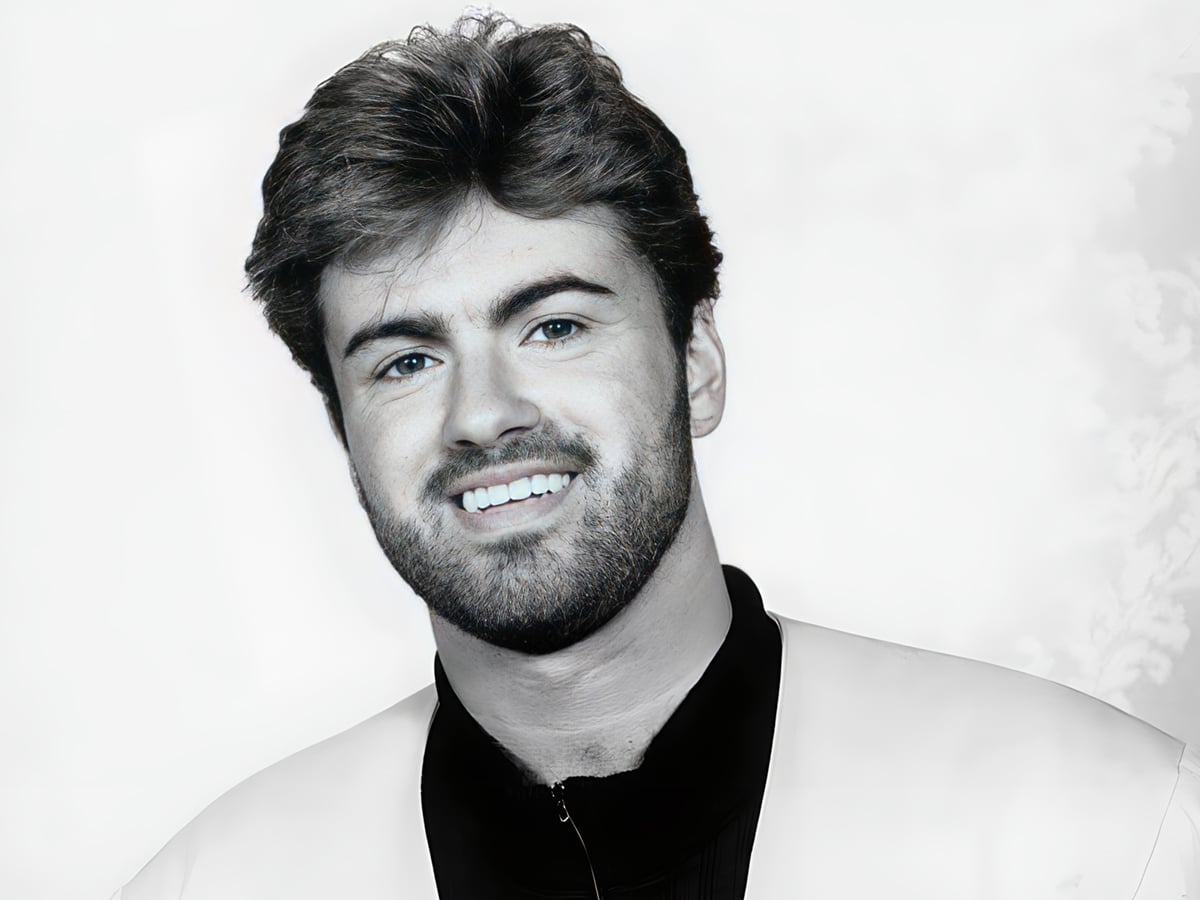
While Michael’s duet with Stevie Wonder wasn’t quite the iconic, culture-changing moment that Michael Jackson’s moon walk had provided at the Motown 25 special, it certainly did help change opinions about him in America, where Wham’s sudden success had been easy to dismiss as disposable teen pop from blow-dried magazine models. If you could hold your own with Stevie, and Stevie was willing to give you that moment, you had to be more than just a pretty face.
Of course, as Michael would later explain, it was usually the white audiences that needed their default cynicism corrected. “One of the most remarkable things about my career in America was that from day one, Black audiences accepted me without question as a singer, performer, and songwriter,” he told The Record in 1988, “They didn’t really allow the stigma that was attached to wearing the shorts and the girls screaming to get in the way of what they were actually listening to.”
It didn’t hurt that George Michael was considerably less famous in America than in the UK when Wham started scoring hits overseas, giving him a longer runway to prove himself without the distractions of the same tabloid scrutiny. In the end, though, the Motown community and Apollo community didn’t care all that much if he was a British pop heartthrob or a grizzled old bluesman from Mississippi. With soul singing, it’s very hard, if not impossible, to fake it, and Michael earned his keep on stage that night, even with the hiccups along the way.
“Constantly telling yourself that you’re not some kind of passing musical trend is very difficult,” Michael admitted a few months after the concert, “But it’s made a lot easier when you get to do things that are remarkable, even for the status we’ve achieved, like doing that thing with Stevie Wonder.”
Two years later, Michael earned his final badge of acceptance, recording a hit duet, ‘I Knew You Were Waiting’, with the queen of all the soul singers, Aretha Franklin.
