


Why don’t we discuss mom rock?

For years, rock fans both young and old have been fascinated with the idea of ‘dad rock‘. The definition of what classifies that term has changed multiple times over the decades, but no matter what generation you find yourself, something that is considered kickass in its time is bound to end up sounding a little bit more middle-aged, so it’s easy to categorise something as new as Three Days Grace as dad-rock for a certain demographic of kids. But for a qualifier that is so dominant in pop culture, why isn’t mom-rock given the same amount of attention?
First of all, there should be a qualifier for this kind of conversation. No artist should be judged based solely on the gender of their audience, and approaching a subject like this shouldn’t exclude any gender from the conversation. Joan Jett could be considered dad-rock and mom-rock in equal measure, and it’s easy to file Eric Clapton under both genres, looking at how much he changed his style over the years.
But when discussing mom rock, it’s about speaking to something slightly more than the meatheaded songs that came out of dad rock. While the golden age of dad bands has inched closer to granddad rock over the years, not all of them were the most respectful towards everyone. It’s nice to listen to tracks by Led Zeppelin, but the number of bands that they influenced that were interested in nothing more than sex, drugs, and casual misogyny may not have been their best look.
There tends to be no such problem regarding traditional mom rock, though. The jury’s out on when the genre had its first authentic band, but the purest form of the style tends to pop up around the end of the grunge movement. Most people were interested in getting away from hair metal, but since the death of Kurt Cobain was too much for people to take, a more gentle version of rock and roll was coming to the surface.
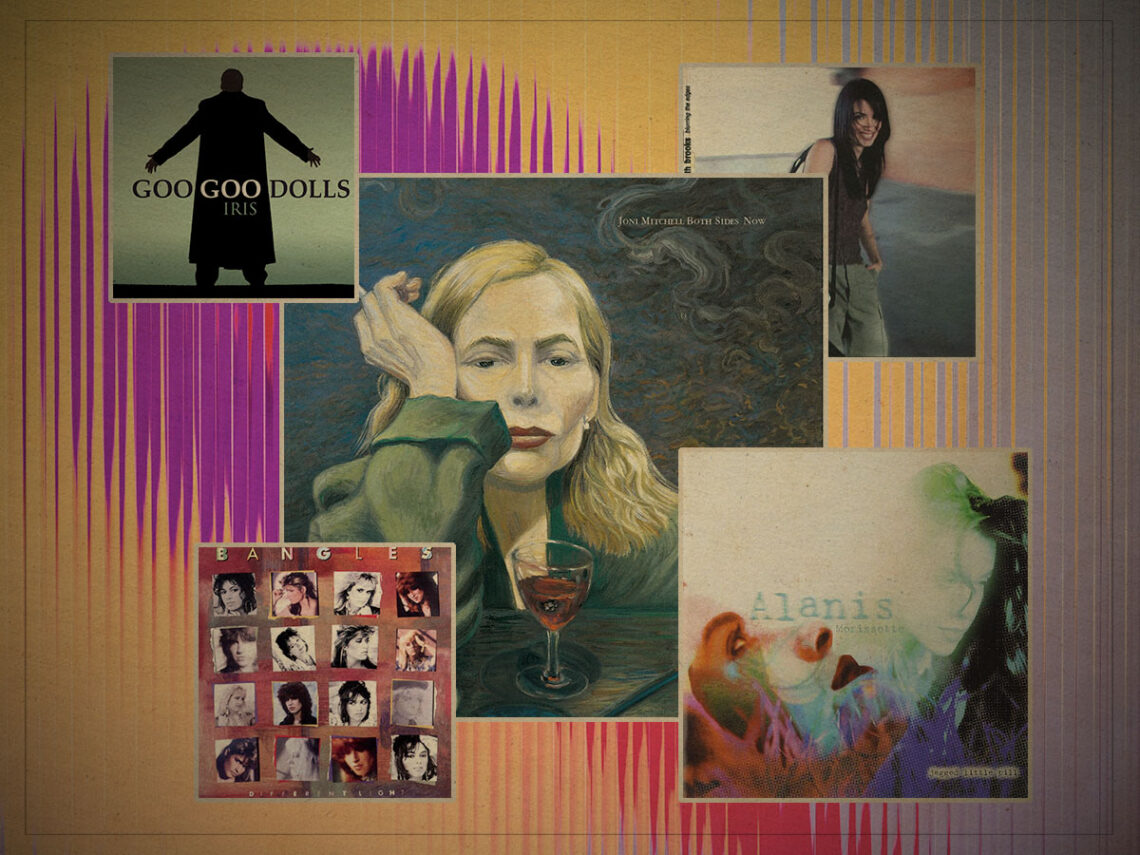
While many soft rock acts from the pre-Nirvana boom could qualify for this style, like REM, the college rock brand of alternative fit right at home with mom rock once it went mainstream. Most mothers would be extremely concerned if their kids brought home a Marilyn Manson album at the time, but it was easier for her to get on board if Dizzy Up the Girl by Goo Goo Dolls was on the stereo or if they heard ‘Hey Jealousy’ by Gin Blossoms on their way to work.
We can’t forget the Lilith Fair crowd here, either. While ground zero for mom rock may have been Joni Mitchell alongside the legends of dad music, there wasn’t a real banner festival for them until the 1990s, with everyone from Melissa Ethridge to Alanis Morissette to even flashes in the pan like Meredith Brooks proving that women could manage to kick some ass even if the attitude was toned down a little bit.
That’s not to say there aren’t some dark pieces of mom rock, either. There have been many cases of divorced dad rock that have dominated the landscape like Creed and Nickelback, but the moms tend to have a similar problem. That’s typically reserved for when they want to get hammered, so they fire up something that sounds more edgy than usual. Hole may be the one instance of this approach sounding good, but more often than not, the focus goes right to bands like Buckcherry, Hinder, and any other group you would catch playing out of a Buffalo Wild Wings in middle America.
But looking at the balance between the sins of both genres, mom rock deserves a bit more attention. Sure, it had its sore spots and artists who haven’t quite stood the test of time like they should have, but the fact that we don’t give the same credit to the retro genre that eventually gave the world people like Fiona Apple is downright criminal.
So, see this as more of a public service announcement for what all moms around the world deserve to be listening to. Far too many radio stations have had a firm grip on tunes like ‘Stairway to Heaven’ and ‘Hotel California’ for years, but in a perfect world, songs like ‘Both Sides Now’ should have been given the same kind of treatment on the oldies stations.
