


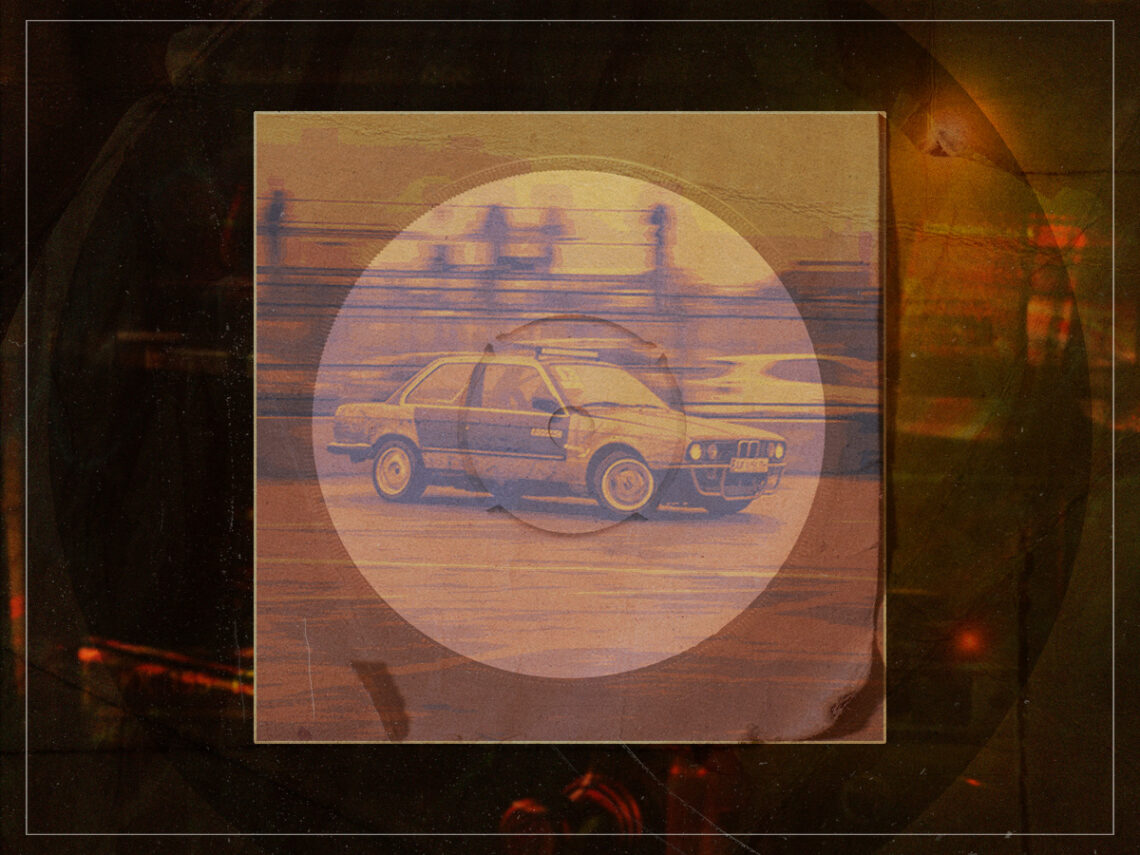
Why does some music sound better in the car?

In this day and age, no matter where we go, music is quite literally at our fingertips, whether in physical form or on the endless litany of streaming platforms at our disposal. The consumption of our favourite tunes has, in some ways, changed irrevocably, but in others, we’re still all creatures of habit. Take a ride in the car, for example—between the dialling gamble of the radio, the peak of CDs, or now the touch of an app—there’s something undeniable about the power of a great song as you’re cruising the roads.
Of course, with the advent of streaming and curated playlists, music corporations were quick to capitalise on the fact that we all like a sing-along in the car. Whether it’s cheesy pop bangers, euphoric hits, or moody reflections, something almost magical happens when we set foot inside our vehicles, where music sounds infinitely better, more transcendental, and connected than it does when we hear it at any other time. But why?
As with most things in life, it’s not just magic—there is a scientific answer. Compare the two situations of putting tunes on while you work and when you put them on in the car, and I guarantee they’ll sound better when you’re facing the open road. This is because when we play music as a background filler in any other circumstance, our brains aren’t paying as much attention to it as it’s simply filling a void. However, in the car, this isn’t quite the case.
With the gentle hum-drum of running your car already fulfilling your brain’s need for background noise, your tunes of choice are free to unleash their full sonic throttle upon your ears, thus subconsciously making you listen to it more intently, leading you to think it sounds better as a result. Think about it—your road trip playlist never hits quite the same in the office as it does when you’re flying down the motorway or cruising a country road, and this is exactly why.
What’s the science behind music sounding good in the car?
While this is not the space for explaining neurochemistry (or trying to), the scientific arguments for why this phenomenon occurs are certainly compelling. For starters, aside from the reasons already outlined, if your brain goes into a fight-or-flight mode while driving, the adrenaline rush makes the tunes seem incredible. Basically, the faster you go, the better the sound—not that we’re encouraging speeding, of course.
But more than that, if you find driving an overwhelming experience, music can help with that, too. As your brain is trying to process the shedload of sensory information being thrown at it, from your constant visual awareness to the feel of the steering wheel, your instinct often is to start belting out your favourite songs, as your mind’s way of regulating itself with something familiar.
Then there’s the sense of freedom and liberty that being on the open road provides you, and, essentially, even the song you hate sounds like something you can get along with, or at least hate a little less. So, the next time your family and friends are dragging their heels at your request for a road trip, entice them with the aux cord—because you now know, scientifically, that it’s going to be a good time.
