


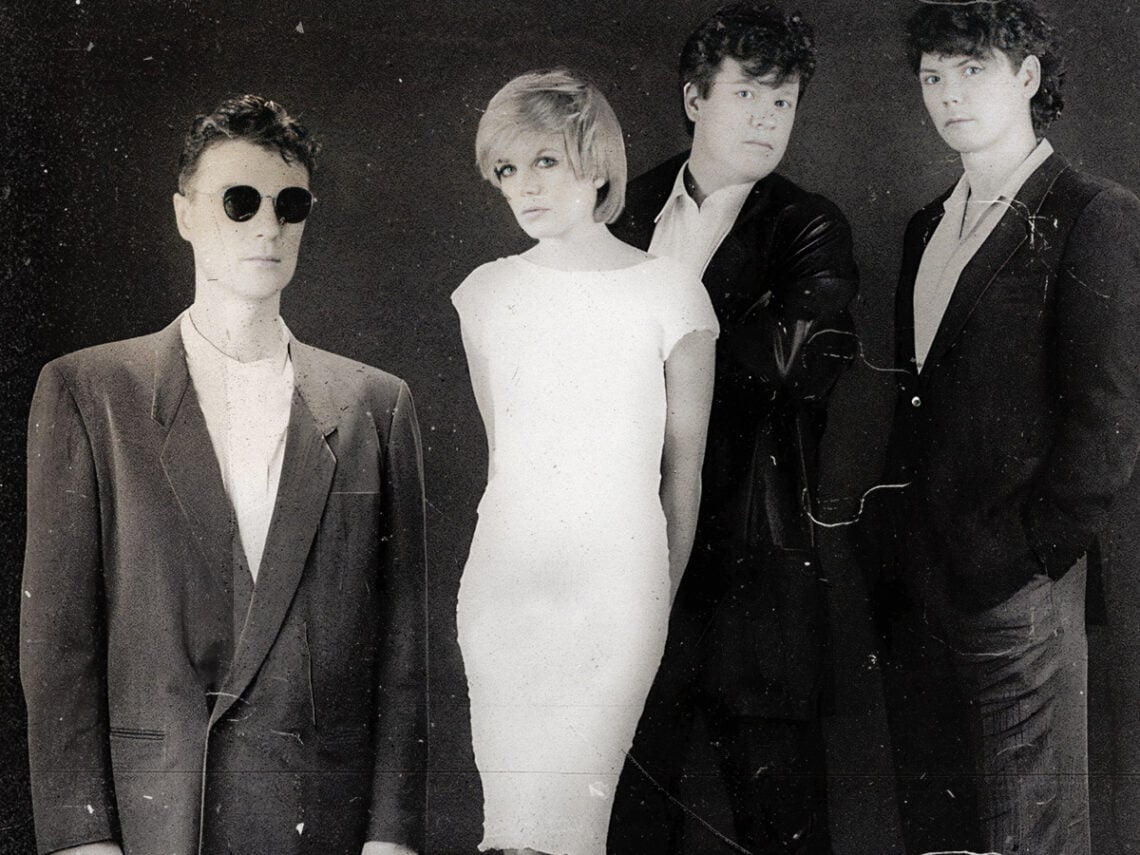
Why did Talking Heads break up?

As the punk scene started to concave in on itself, Talking Heads were most fans’ way towards the future. Though David Byrne may have been born in the same seedy clubs that birthed bands like The Ramones and Blondie, his unique approach to vocals and off-kilter chord choice was completely removed from the punk scene. Byrne only wanted to make that kind of music on his terms, and it was becoming clear that Talking Heads had said all they wanted to say by the end of the 1980s.
Throughout the early MTV days, every member played with different textures to create their signature sound, playing nervy art-rock on Talking Heads: 77 until breaking into the world music sphere on Remain in Light. Although no one would have expected songs like ‘Burning Down The House’ to chart on the same level as Madonna, Talking Heads remained omnipresent on MTV.
Before the medium became the monster that fans know today, Byrne’s primitive dancing on ‘Once in a Lifetime’ sent shockwaves through the music community, making hundreds of fans want to pick up guitars and share their warped sense of reality with the world. By the time they got around to releasing albums like Naked, Byrne was getting restless in his outfit.
Towards the end of their run, Chris Frantz mentioned Byrne being harder to deal with, even threatening to break up the band when things weren’t going his way. When talking to The Guardian, Frantz remembered not thinking that much of Byrne’s outburst to break up the band, saying: “We had heard this before, so we thought, ‘If we keep our cool, this will blow over, and we’ll get to do another Talking Heads record’”.
However, Byrne was deadly serious this time, breaking up the band in 1991 without warning. In the months after the announcement, Frantz mentioned not being told anything then, telling the Los Angeles Times (via Ultimate Classic Rock), “As far as we’re concerned, the band never really broke up. David just decided to leave”.
Since then, Byrne has admitted that his introverted presence played a part in his not confronting the problem, stating: “Your way of announcing your existence and communicating your thoughts to people is through performance, and then I can retreat into my shell after that, but I had made myself known to these people—what I was thinking and what I was feeling. I might not have been the most pleasant to deal with at that point”.
Despite not handling the breakup as best he could, Byrne has no desire to return to his glory days, explaining that, “I’m glad I did it, but I’m also glad that I didn’t stick with that … like, ‘Oh this is working. Let’s do more with this.’ I’m glad I decided, ‘No, now you have to do things that are a little more original musically’”.
Byrne has felt more suited following his muse wherever it’s led him, working with old friends like Brian Eno and even performing ‘This is a Life’ for Everything Everywhere All At Once alongside Son Lux. While Frantz did have some opinions on Byrne’s shift in reception recently, he doesn’t harbour any ill will towards him, remarking that, “It’s true that his public image has changed. But friends of mine assure me that he hasn’t. Believe me, if you knew David Byrne, you would not be jealous of him”.
