


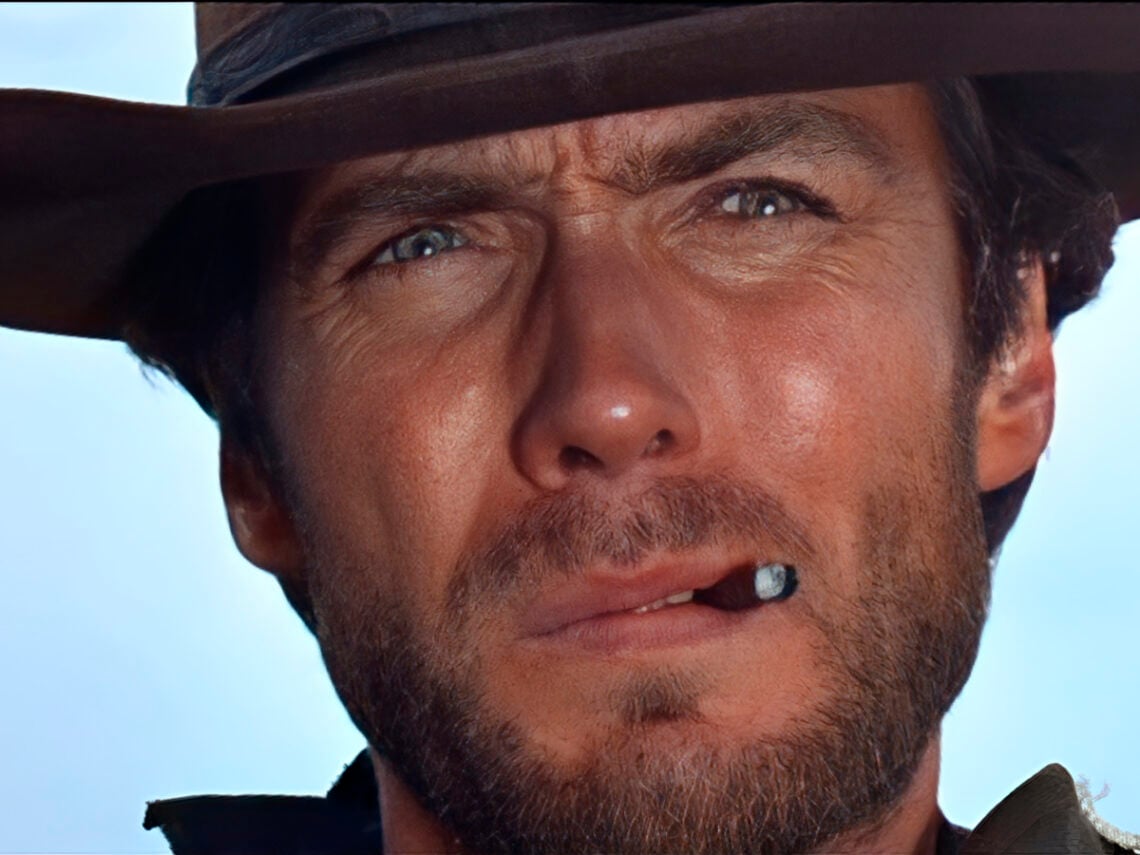
Why Clint Eastwood never played a bad guy on screen: “Out-and-out villain? No”

With the release of the Dollars trilogy, Clint Eastwood rode into the spotlight as the new cowboy in town. John Wayne was getting older and cinema was changing – movies were getting more violent, more nihilistic, and more experimental.
Clint Eastwood’s turn in Sergio Leone’s so-called ‘Man with No Name’ trilogy, which ended with the operatic blast of The Good, the Bad, and the Ugly, didn’t just make him a star; it catapulted the spaghetti western into pop culture. Leone gave the genre its grit and grandeur, Eastwood gave it its flinty soul. From there, he never let go of the reins, morphing from taciturn gunman into one of Hollywood’s most enduring heavyweights—an Oscar-winning director who could still step in front of the camera and make it look effortless.
Throughout his career, Eastwood has played a lot of different characters, and with his role as a director, he has largely been able to harness creative control over his choices. Thus, he has been able to portray a certain image of himself – a guy who plays characters who aren’t afraid to go against the law or be violent when they need to, but only in service of others.
Eastwood has never wanted to play an outright villain, once explaining to Esquire, “I played characters with villainous aspects. But out-and-out villain? No. They tend to get it before the final reel. I tend to stick around.” He believes it’s important not to show himself as a cold-hearted killer because he wants you to root for his characters to a certain degree.
“You know, Dirty Harry is a guy who really didn’t get any pleasure out of it. I played him for a certain sadness because I believe that if you really did kill all those people, there would be an effect on your soul or your psyche or whatever your beliefs are, however you want to phrase it,” he revealed.
The film of the same name, released in 1971, sees Eastwood play a quintessential anti-hero, which is the kind of archetype which fits perfectly within a certain vision of America that emerged during this era of cinema. Masculinity and violence was heightened, and with the easing of censorship, cinema welcomed much more ambiguity on screen, which manifested in these troubled anti-heroes who were neither strictly good nor bad. Likely affected by war or some other traumatic effect, these characters get away with a lot, usually because they’re working in the service of a greater good – even if it doesn’t always seem like it.
Discussing the fact that he has played various killers throughout his career, Eastwood continued, “Historically, sure. And so maybe it’s some kind of catharsis. Or maybe it’s some sort of sadistic pleasure. Or maybe it’s nothing at all.”
Eastwood’s vision of America is littered with anti-heroes in the western tradition, although the actor has expanded far beyond the realms of the genre during his tenure, exploring the idea of the anti-hero across thrillers, war films, and dramas. For him, the only option in seeking revenge or vengeance is violence, and he crafts his characters in such a way that it makes us root for these troubled and potentially problematic figures who feel the need to take the law into their own hands.

Never Miss A Tale
The Far Out Clint Eastwood Newsletter
All the latest stories about Clint Eastwood from the independent voice of culture.
Straight to your inbox.