


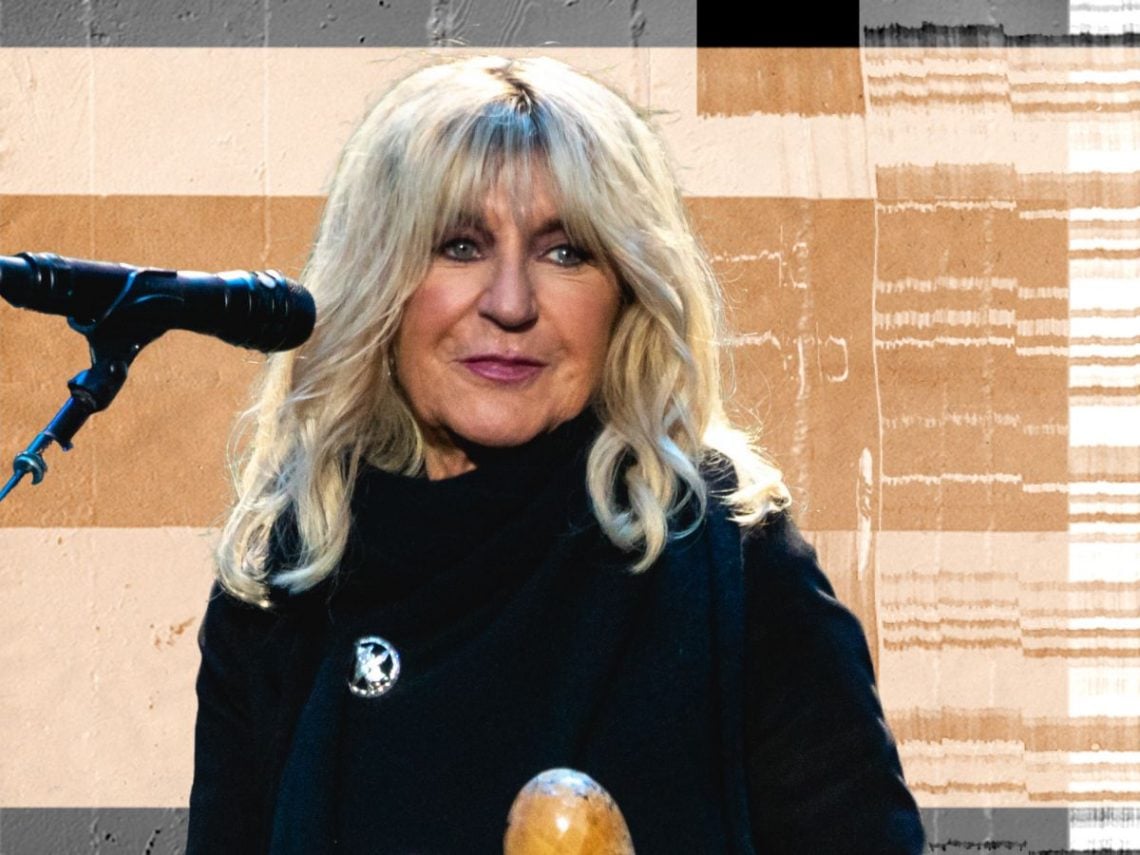
Why Christine McVie was the most essential Fleetwood Mac member

Across six decades of existence, there have been 18 official members of Fleetwood Mac. Originally started by blues guitar icon Peter Green, the only consistent member of the group has been drummer Mick Fleetwood, followed closely by bassist John McVie. Over the years, legendary figures like Dave Mason, Bob Welch, Danny Kirwan, Lindsey Buckingham, Neil Finn, Mike Campbell, and Stevie Nicks have all stepped in to contribute to the band’s legacy. But none of them was as important to the band’s growth and survival as Christine McVie was.
Originally a blues pianist under her birth name of Christine Perfect, McVie originally made her name as the singer and keyboardist for British blues rockers Chicken Shack. With McVie on lead vocals, Chicken Shack scored a UK top 20 hit with a cover of Etta James’ ‘I’d Rather Go Blind’. However, after meeting Fleetwood Mac bassist John McVie on the road, McVie originally gave up her music career upon marrying McVie in 1969.
A brief attempt at a solo career with the album Christine Perfect didn’t pan out, but in 1970, Peter Green left Fleetwood Mac. McVie had already contributed to the albums Mr. Wonderful and Kiln House, and when she was asked to join them on tour, McVie began her official tenure as keyboardist and co-lead vocalist of Fleetwood Mac.
Throughout the 1970s, the core of the McVies and Fleetwood were the only stable forces in Fleetwood Mac. Guitarist Danny Kirwan and Jeremy Spencer both quit, with Bob Welch, Bob Weston, and Dave Walker all contending for the new frontman job. It eventually went to Welch, but McVie remained the one consistent singer during the band’s most tumultuous transition period. Along the way, she provided upbeat pop-adjacent material like ‘Heroes Are Hard to Find’ and ‘Remember Me’.
Once Buckingham and Nicks joined the group, McVie finally ascended to a new level of songwriting that matched her musical talents. The three vocalists concocted a blend of harmonies that took over the group’s material, colouring hits like ‘Rihannon’, ‘The Chain’, and ‘Tusk’. Along the way, McVie made a name for herself as the band’s most consistently optimistic and powerful singing voice.
Starting with songs like ‘Say You Love Me’ and ‘Over My Head’, McVie found her niche within the band’s interpersonal and often trying dynamic. While Buckingham and Nicks were sparring in song, McVie was celebrating the brighter side of love. That came to its peak on Rumours, when ‘Don’t Stop’, ‘Songbird’, ‘You Make Loving Fun’ and ‘Oh Daddy’ solidified McVie’s place as the voice of reason and the voice of sanguinity.
When Buckingham pushed Fleetwood Mac into more ambitious territory with ‘Tusk’, McVie was right there, ready to match him, contributing six songs to the album. Although they weren’t major hits, songs like ‘Think About Me’ and ‘Brown Eyes’ proved that McVie was still in the zone of crafting indelible pop rock. As the group transitioned into the 1980s, McVie seemed to be the best-equipped member to handle the shift in songwriting styles from classic rock to new pop frontiers.
That included the top five hit ‘Hold Me’ and the top 40 hit, ‘Love In Store’ from 1982’s Mirage. Across the half-decade it took for the band to reconvene, McVie gathered together four of her most potent songs for Tango in the Night: ‘Everywhere’, ‘Little Lies’, ‘Mystified’, and ‘Isn’t It Midnight’, with the first two becoming top 20 hits in the US.
McVie provided the band’s final top 40 hit in the United States with 1990’s ‘Save Me’. After that, she was a stabilizing force as the band went into another transitionary period, dropping both Buckingham and Nicks. Although 1995’s Time is easily the worst Fleetwood Mac album, the group would have almost assuredly broken up had McVie not provided the bedrock of songs that made up the album.
When the Buckingham/Nicks lineup of the band reconvened for 1997’s The Dance, McVie was right there to revive her best-loved songs. But after nearly 30 years of carrying Fleetwood Mac on her back, McVie was ready to enjoy a much-deserved retirement. The band released one studio album, 2003’s Say You Will, in McVie’s absence, but they haven’t returned to the studio since.
Thankfully, McVie rejoined the group officially in 2014, bringing her wide arsenal of classic songs back into the band’s setlists. Ever since its introduction in 1977, Fleetwood Mac has often ended their shows with a final encore of ‘Songbird’. It’s appropriate that McVie would often get the final song at the end of each night, considering her massive contributions to the band’s success. There won’t be any more ‘Songbird’ encores, but McVie will continue to be the defining force in Fleetwood Mac, and her place as the most essential and underrated member of the band will carry on.

Never Miss A Tale
The Far Out Classic Rock Newsletter
All the latest Classic Rock content from the independent voice of culture.
Straight to your inbox.