


The generational 1970s band Angus Young couldn’t stand: “It did nothing”

It doesn’t get more simple and to the point in rock and roll than AC/DC.
Although many casual rock fans have dismissed the Australian rockers for being too simple in their time, the groove that the Young brothers employed over generations of rock fans created the blueprint for hard rock as most know it today, with fans in everyone from Metallica to Green Day. While Angus Young could throw down with the best of them, he never paid that much attention to the new school.
And why should he? Throughout most of AC/DC’s tenure, Young has been operating under the “if it ain’t broke, don’t fix it” mentality, with every album hitting that sweet spot where almost nothing can go wrong. As Young began to see the new kids on the block when he was coming up, he wasn’t exactly impressed.
From his perspective, much of what was being labelled as fresh or revolutionary didn’t feel especially new. Angus Young had built his identity around precision, groove and discipline, so when other bands leaned heavily into image or attitude without the same musical backbone, it failed to resonate. For him, the essence of rock and roll wasn’t about tearing everything down, it was about refining a sound until it hit with undeniable force.
That outlook shaped how he responded to the emerging punk movement. While outsiders might have grouped AC/DC alongside those bands due to their raw energy, Young saw a clear divide. Where punk often prized simplicity and rebellion above all else, he valued tight musicianship and consistency, believing that lasting impact came from mastery rather than chaos.
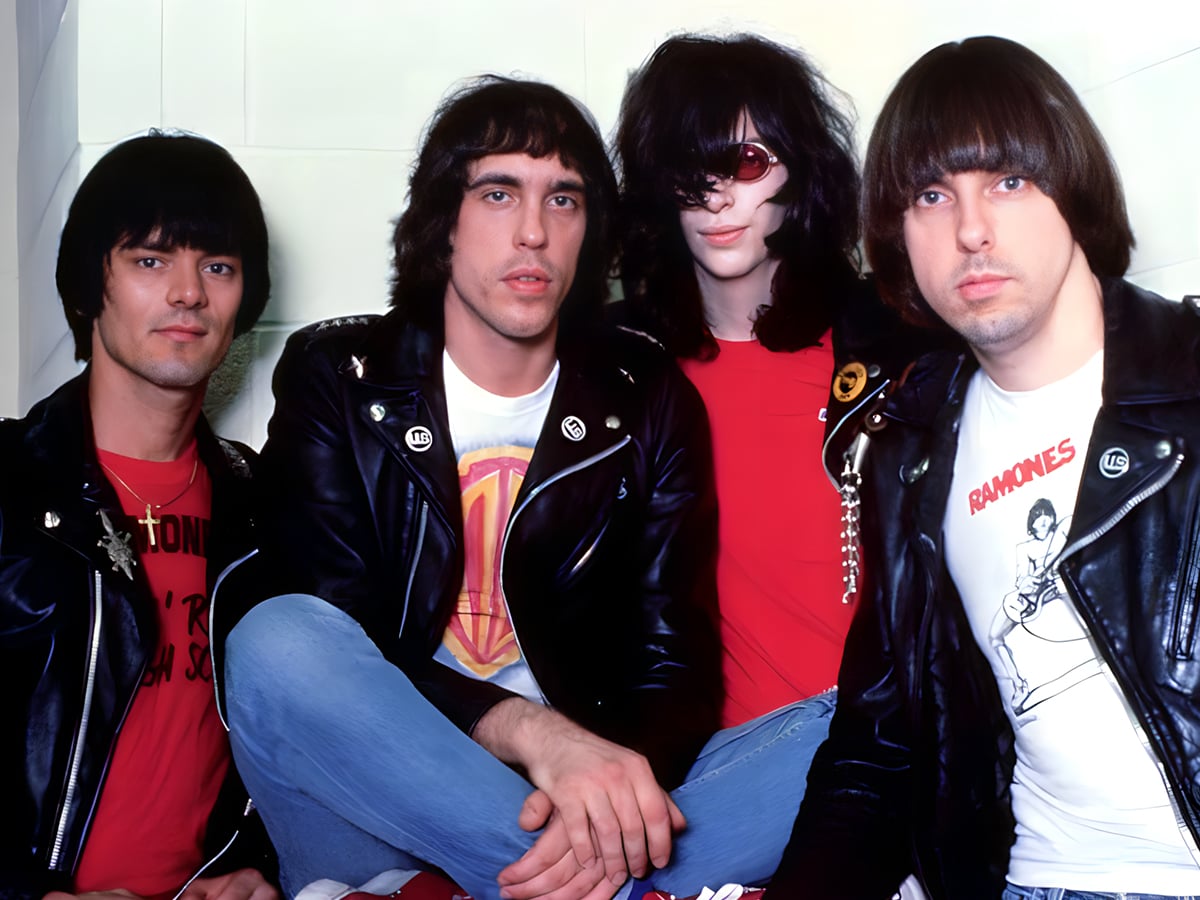
The first potshot started with Led Zeppelin, which Young thought was a cheap pastiche of rock and roll that bored the audience. Though Zeppelin may have gotten bile thrown their way for their unimpressive live cuts, Young had no time for what the punk wave had in mind to replace it.
As punk was coming out of the woodwork, it would be easy to see how a band like AC/DC would fit into that company. When comparing the band to the genre, the rockers’ embrace of fast tempos, snarling attitude, and loud guitars feels like it would fit right in amid the Sex Pistols and The Clash.
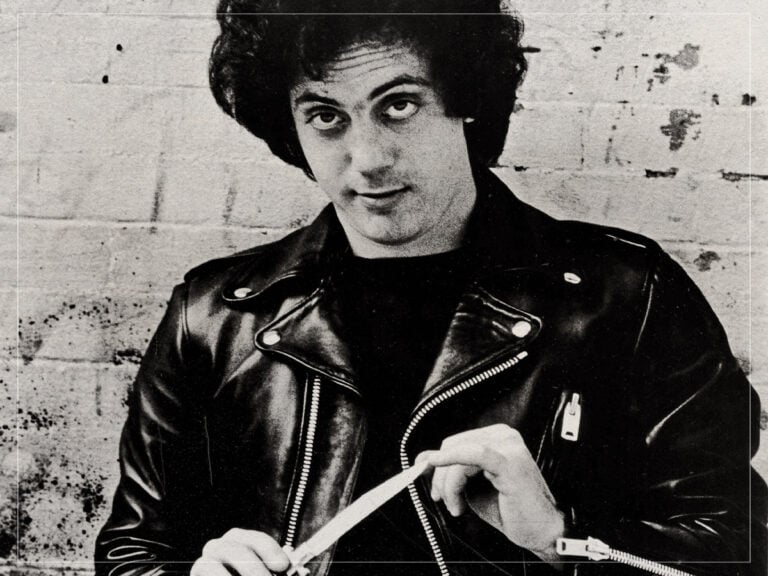

Though Young may have had the punk spirit when he played, he was critical when evaluating the Ramones, recalling, “The Ramones, I only heard them once; I heard a song, and it did nothing. It seemed to me like the first band I was ever in, and I’m sure even that was better – and was when I was 12”.
While Ramones’ updating of rock cliches was considered novel then, Young only saw the whole thing as a re-run of what acts like The Small Faces had done just a few years before. Instead of progressing the music forward, though, the Ramones were about stripping everything back to that child-like innocence Young was alluding, often making songs that left the listener satisfied in just two minutes.
Young’s vitriol tended to extend beyond the music. When discussing the punk rock mentality, the guitarist saw punks taking the worst elements of acts like The Faces and making them the core of their identity, explaining, “I don’t know if you remember when Steve Marriott used to come on and wipe his nose and spit in his hand, generally be an arse, pour beer over the crowd, and the whole thing like that. They can do all that, it’s pretty easy for a guy to go up there and do all that, but they can’t play”.
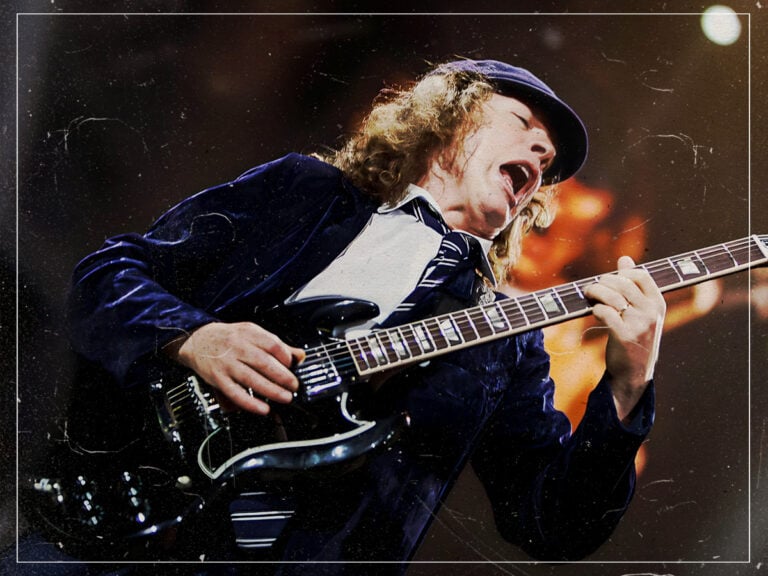
Then again, Young wasn’t too far behind in making some outlandish moves onstage. Instead of the traditional rock and roll persona, Young’s penchant for turning into a man possessed by rock and roll is still unrivalled in rock, making most punk rockers look like snarling children by comparison. Whereas the punk revolution catered to a less classy musician, Young wanted to show everyone what a real musician could do onstage.
