


Where was the first edition of the Oscars held?

March is the best time of year if you work in movies.
It’s a bit like Christmas and your birthday and Easter rolled into one, except instead of worshipping chocolate bunny Jesus, you instead worship at the altar of the big screen, with the best of the best being handed a 13.5-inch-tall golden man statue for their troubles, but where and when were the Oscars held for the first time?
Well, for the answer to that question, we have to travel back almost 100 years, to 1929 in fact, and the ornate Blossom Room of the Hollywood Roosevelt Hotel, the towering, white Spanish colonial style building that was barely two years old, surrounded by palm trees and with spectacular views of the Hollywood hills and that famous sign. But it wasn’t March back then; it was May 16th, with the event not moving back a couple of months until the seventh iteration.
Almost 300 people clad in bow ties, tails and dresses were present for the first edition of the Oscars, although they were not yet actually known as the Oscars, just the Academy Awards; that nickname would follow four years later. Hosted by the Academy President Douglas Fairbanks, it was a private affair, and only Academy members were permitted to attend, with a party afterwards at the Mayfair hotel, permitting them to bring guests for $5 a ticket.
The first Academy Awards were incredibly short; just 15 minutes in total, and because only 15 statuettes were handed out, that meant no lengthy speeches, with each category done and dusted within a minute. But they managed plenty in that time, a variety of directors, cinematographers, writers and even special effects engineers were honoured for films that had originally been released between August 1st, 1927, and the same date a year later.
The first man to win a ‘Best Actor’ Oscar was the Swiss-German actor Emil Jannings, who won thanks to his performances in two roles, the silent romantic drama The Last Command and a drama called The Way of All Flesh, meanwhile the ‘Best Actress’ award went to an American actor Janet Gaynor for her role in three silent movies, 7th Heaven, Street Angel and A Song of Two Humans.
It wouldn’t be until the third Academy Awards that recipients were eligible for multiple films at once, and that night the honour for ‘Best Director’ went to two men for two different movies: the aptly named Lewis Milestone for Two Arabian Knights and Frank Borzage, again for 7th Heaven. As for the first film to win an Academy Award for ‘Best Picture’, then known as ‘Outstanding Picture’, the winner was Wings, a 1927 World War I drama which also picked up the award for ‘Best Visual Effects’.
Winners for the night didn’t come as a surprise to anyone present; the results had actually been announced some three months earlier, but from the second Oscars onwards until the end of the 1930s, winners were handed to newspapers at 11pm so they could report them the next day.
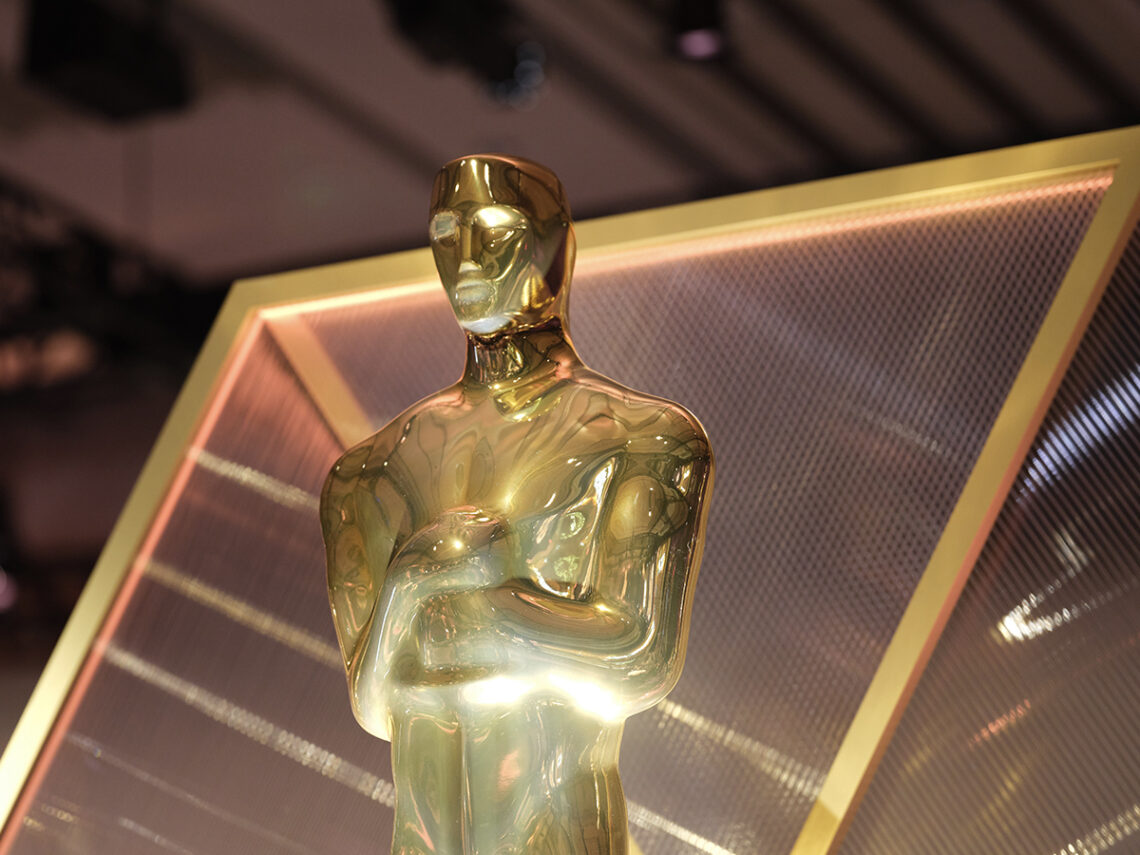
As for the Oscar statue the lucky recipients got to take home, depicting a knight in art deco style standing on a film reel, it was originally cast from gold-plated solid bronze and weighed just under 4kg, but nobody really knows why they are called the Oscars, with several people having tried to lay claim to coming up with the name, including actress Bette Davis who said she coined it after her then-husband Oscar Nelson, although she later admitted that wasn’t the case.
The Academy itself credits a newspaper columnist named Sidney Skolsky with first having used the name in print, and in his memoir, he also makes the disputed claim.
