


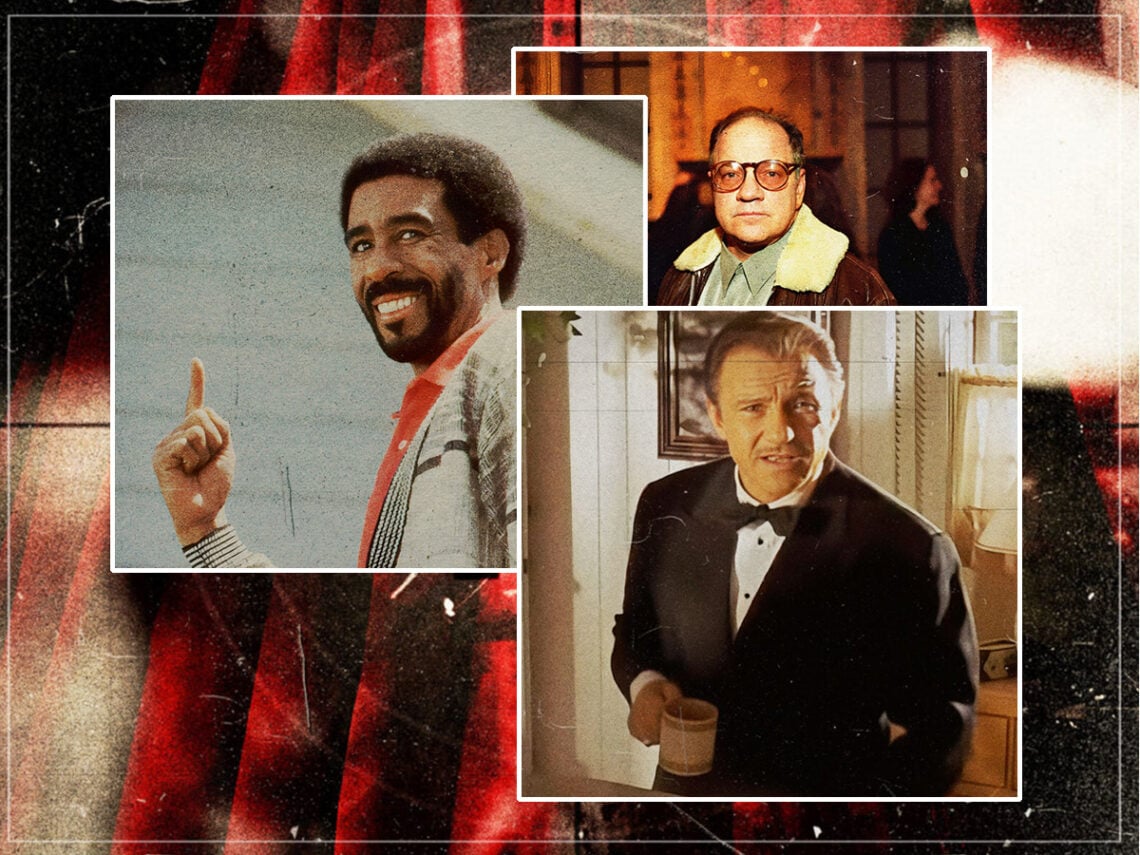
The fight between Harvey Keitel, Richard Pryor and Paul Schrader

In the vast tapestry of Hollywood history, a tale of fierce discord and behind-the-scenes turmoil mirrors the intensity of the characters it sought to portray. The explosive feud that ignited during the filming of Blue Collar in 1978, involving Harvey Keitel, director Paul Schrader, and comedic legend Richard Pryor, bears a striking resemblance to the raw emotions and complex dynamics explored within the movie itself.
Blue Collar, crafted under the astute direction of Taxi Driver screenwriter Schrader, was envisioned as a gritty and socially conscious exploration of the lives of auto factory workers in the industrial heartland of Detroit, where social and financial struggles cause tensions to boil over. The film boasted a stellar ensemble cast featuring previous collaborator Keitel, as well as Pryor and Yaphet Kotto. However, troubles within the production began to simmer even before the cameras started rolling, as creative disparities became evident.
Schrader, a director renowned for his meticulous control over his projects, found himself at loggerheads with Keitel, an actor famous for his method acting approach – and a notorious ego that caused him to feel like he was playing second fiddle to the other cast. Amid this friction stood Pryor, a brilliant comedian transitioning into dramatic acting and struggling to take direction from such a decisive filmmaker.
Keitel’s method of acting clashed with Pryor’s spontaneous improvisational style, sparking heated disagreements about the direction of their respective characters. Caught in this fiery maelstrom was Schrader, who, in his relentless pursuit of authenticity, found himself entangled in the crossfire – quite literally. During one instance, enraged by the amount of takes he was being asked to do, Pryor pulled a gun on his director.
In another confrontation, Keitel and Pryor got into a full-blown fistfight. The incident sent shockwaves through the cast and crew, casting doubts over the future of the movie itself. The anger spilt far beyond the confines of the set. Pryor’s ongoing battle with cocaine addiction and personal turmoil exacerbated the tense atmosphere, leading to delays and compounding the fragile relationships among the film’s central figures.
Blue Collar ultimately completed production despite the storm that raged behind the scenes. The film, a stark examination of race, labour issues and corruption, received universal and critical acclaim upon its release. Keitel, Kotto, and Pryor delivered powerful performances, though the explosive behind-the-scenes conflicts cast a long shadow over the project.
Years later, we can identify Blue Collar as the beginning of a fruitful directing career for Schrader, who continues to make movies and just this year gave us Master Gardener. However, it was a tough time for all involved at the time. Pryor blames the production for causing him to relapse, and Kietel nearly boarded a plane home before his agent convinced him to return to set. Meanwhile, Schrader seriously considered packing it all together, making it his first and last time as a director. Luckily for cinephiles around the world, he stuck with it.
