


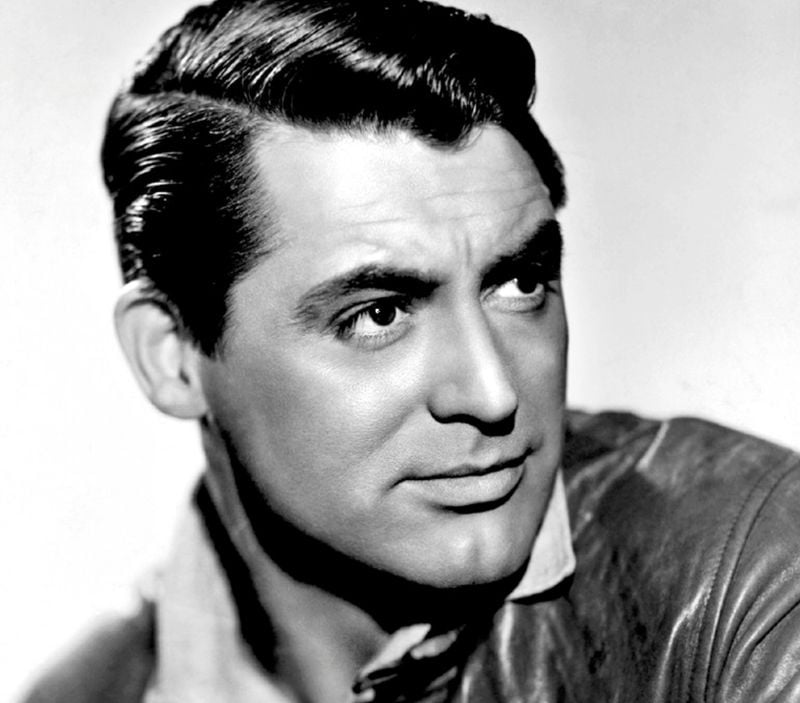
Revisiting the time when Cary Grant experimented with LSD

It is an indisputable fact that Cary Grant was one of the greatest leading men that Hollywood has ever seen. Known for his unforgettable performances in bonafide classics such as The Philadelphia Story and Alfred Hitchcock’s seminal masterpiece North by Northwest, among others, Grant was counted among the most celebrated acting talents of his generation.
Hollywood’s iconic star also had a wild experience during the 1950s while dealing with a very severe crisis. One of Grant’s most famous reflections about his career was: “I pretended to be somebody I wanted to be until finally I became that person. Or he became me.” At that time, he actively tried to rip open that facade through unconventional means.
LSD is an extremely popular recreational drug now, almost an omnipresent item at parties populated by college kids pretending to have spiritual revelations in dirty bathrooms. However, Grant used it before it entered the mainstream consciousness as a form of psychotherapy to deal with the problems that had been plaguing him all this while.
Back then, he was married to Betsy Drake who took him to meet Mortimer Hartman, a therapist interested in the effects of LSD on the human consciousness. Hartman was an advocate of the drug, describing the experience as “a psychic energiser which empties the subconscious and intensifies emotion and memory a hundred times”.
Ready to put all his troubles behind him, Grant ventured into the world of psychedelics with an open mind and was pleasantly surprised. While recalling what the experience had been like, the star claimed that he felt “an immeasurably beneficial cleansing of so many needless fears and guilts. I lost all the tension that I’d been crippling myself with.”
According to Grant, he embarked on around 100 LSD trips which ended up changing his life forever. These experiences were further explored in the 2017 documentary Becoming Cary Grant, a project by Mark Kidel which explored the man behind the image that had been projected and propagated by the studios and the media.
The documentary’s producer Nick Ware insisted that Grant’s experiences with LSD provided crucial insights about who he was and even ended up aiding their deconstruction of the icon more than anything else. Kidel also noted that Grant was private about his personal life but he wanted to reach out to magazines to spread the word about LSD’s effects and one of these interviews was allegedly read by pioneering psychonaut Timothy Leary.
These LSD trips were so incredibly other-worldly that he had this vision once: “In one LSD dream I imagined myself as a giant penis launching off from Earth like a spaceship.” While Grant was indulging in copious amounts of acid, the greatest period of his professional career also happened thanks to projects like Charade and North by Northwest.
Despite his enthusiasm for psychotherapy inspired by psychedelics, Grant eventually reduced his usage and stopped. Even though he left £10,000 to Hartman for introducing LSD to his life which made him feel the happiest he had ever felt, Grant later retracted his views and the director of the documentary believes it was because he had become a father.
In recent years, many researchers have been actively working on finding new benefits of such forms of psychotherapy with lobbyists trying to translate those findings to public policy. Sadly, Grant went back on his own words: “Taking LSD was an utterly foolish thing to do but I was a self-opinionated boor, hiding all kinds of layers and defences, hypocrisy and vanity. I had to get rid of them and wipe the slate clean.”
