


Gunfights, sideshows, and ‘The Six Million Dollar Man’: When a 65-year-old corpse disrupted a sitcom

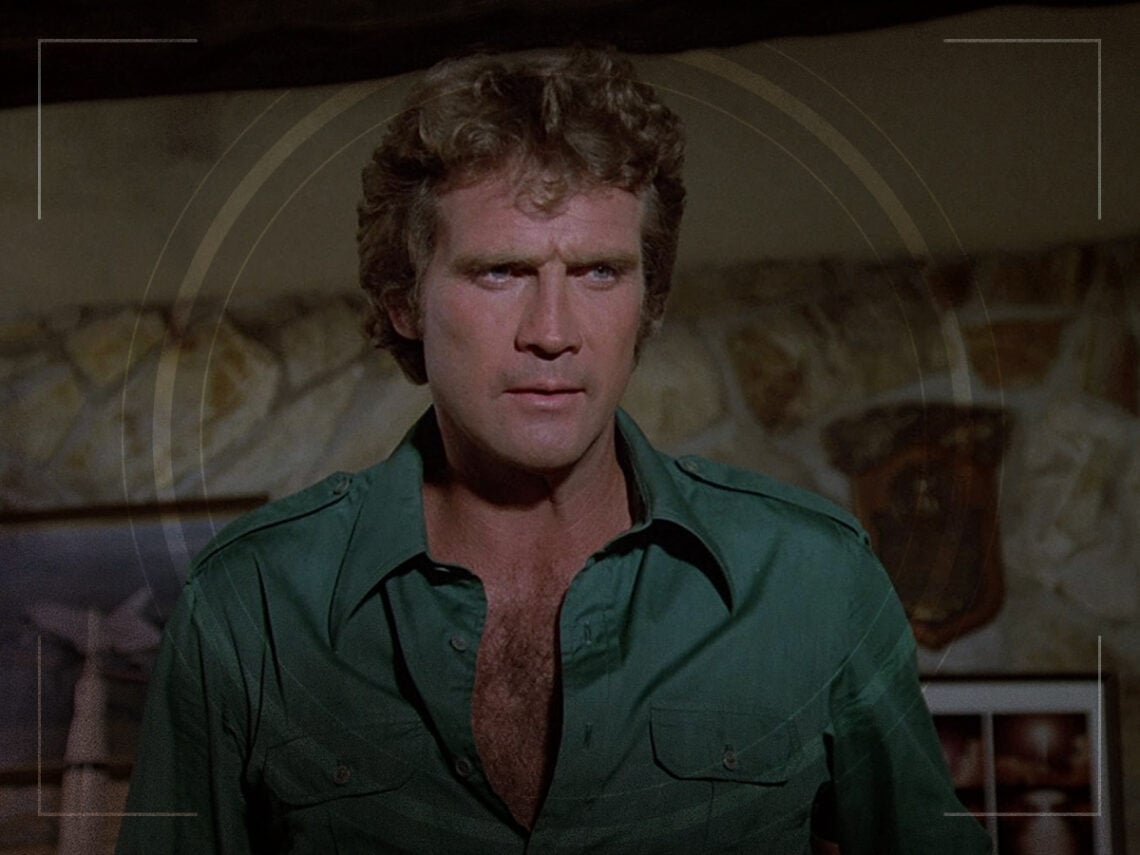
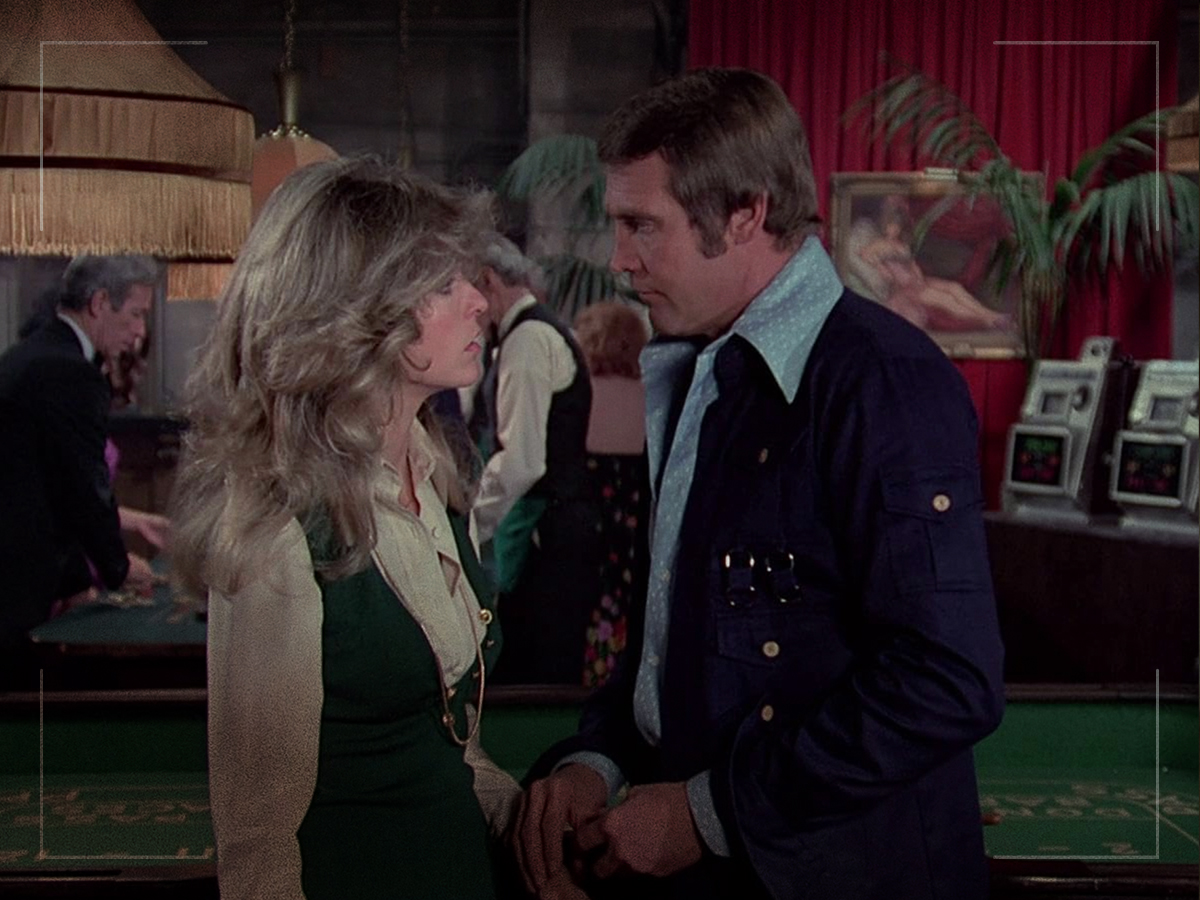
It’s one of the most macabre discoveries in television history. While filming at California’s The Pike amusement park in December 1976, a prop man working for The Six Million Dollar Man’s production crew went to move what they thought was a hanging dummy from the Laff in the Dark funhouse ride. When the presumed model’s arm came off, real bone and human tissue were revealed to the shock of the team.
Just how a real human corpse could have wound up as a grisly prop in a spook house still beggars belief. Yet, the mummified cadaver had quite a career before the gruesome revelations, having travelled several states across the US South Central and the eventual West Coast, having been gawped at by countless morbid onlookers via the sideshow trade, and even making an appearance in an exploitation horror film in the 60-odd years since his death.
The man who once inhabited the DayGlo orange-sprayed attraction prop, in fact, came from all the way North Eastern of the country in Maine. Born in Washington in 1880, Elmer McCurdy’s out-of-wedlock illegitimacy would haunt the young drifter, developing into a drinking problem in his teens and leading toward a drifting life of petty crime and robbery after brief spells as a plumber and in the US Army. Trained in the use of nitroglycerin for explosions during his time in the Quartermaster Corps, McCurdy and his outlaw gang would deploy the chemical materials to blow open safes when robbing trans and banks across the Oklahoma area.
He was no expert, often bungling such operations by loading too much powder and destroying the cash and silver coins they were after, as well as holding up the wrong target entirely. Thinking they’d seized the intended Katy Train transporting $400,000 in cash to the Osage Nation, McCurdy and his coterie of thieves instead stopped a regular passenger train and made off with a pitiful $46, two demijohns of whiskey, a coat, a watch, and a revolver. Despite the meagre prizes, a $2,000 bounty had been placed on his head, and in the early hours of October 7th, 1911, a gunfight with law enforcement outside their hay shed hideout resulted in McCurdy’s fatal shot to the chest at 31 years old.
It’s in death that McCurdy’s tale took its strangest turn. Embalmed with an arsenic-based preservative by a Pawshuka undertaker, the ongoing unclaiming of McCurdy’s body and lack of compensation for the post-mortem work triggered the novel idea of charging for visitations of ‘The Bandit Who Wouldn’t Give Up’ in the corner of the funeral home, complete with street clothes and rifle in hand. It proved popular, the embalmer refusing eager buyers from the travelling carnival trade. In 1916, two men named Aver and Wayne claimed to be relatives of McCurdy and intended to give their brother an honourable burial in San Fransicso. They lied. It turned out the two were, in fact, the owners of Great Patterson Carnival Shows, who had just got their hands on the planned ‘The Outlaw Who Would Never Be Captured Alive’ travelling exhibit.
From here on, unscrupulous showmen and promoters would all exchange McCurdy’s corpse across the years, graduating to the Museum of Crime in 1922, an accompaniment of the 1928 Trans-American Footrace, and later greeting horror fans in the theatre lobby of 1933’s Narcotic! exploitation feature as a supposed example of a drug victim, the tawdry picture was sensationalising.
By now, the body was in a state of serious, unsightly deterioration, stored in a Los Angeles warehouse by Museum of Crime owner Louis Sonney after its loaning proved difficult, but not before his son lent McCurdy as a prop for 1967’s She Freak. After a show at Mount Rushmore under the aegis of Hollywood Wax Museum owner Spoony Singh, one final deal with The Pike co-owner Ed Liersch resulted in McCurdy’s usage as a hanging corpse, until that fateful discovery.

Remarkably, McCurdy had quite literally been forgotten about, left with a noose around his neck alongside the Laffing Sal and Blackie the Barker automatons and visited every day by families and children enjoying a day out. By 1976, the park had been struggling with ticket sales, as Disneyland’s challenge in the state and the loss of its signature Cyclone Racer coaster affected numbers, likely rendering the Laff in the Dark ride as an afterthought to The Pike authorities.
Taken to the Los Angeles coroner’s office, McCurdy’s identity was gleaned due to a 1924 penny and tickets to Louis Sonney’s Museum of Crime in his mouth. After 65 years, McCurdy was finally buried in Oklahoma’s Summit View Cemetery underneath two feet of concrete to dispel any further ideas of his corpse entering the entertainment industry ever again.
It’s a sad and curious tale, a grim exercise of post-mortem commercialism where profits superseded the dignity of a man’s body, and likely the first and last time a corpse held such a busy schedule, boasting two film credits.
