


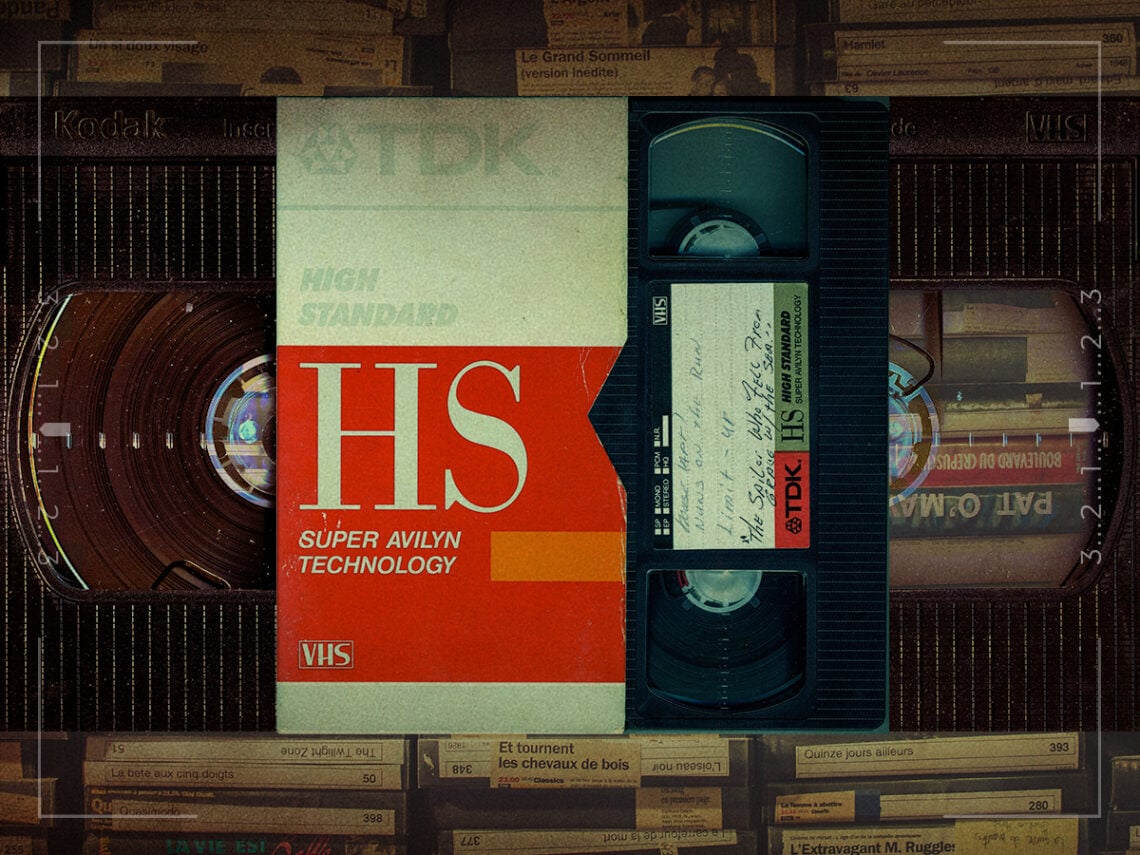
What was the first straight-to-video movie?

A movie that gets a widespread cinema release, playing for weeks on multiple screens of a multiplex every day, might make it popular, but that certainly doesn’t make it good.
Can the same be said about straight-to-video movies, though, or the modernised version of straight-to-streaming movies? Until the days of Netflix Originals, most of the time, the answer to whether a movie made without a theatrical release in mind automatically makes it bad would be a resounding yes.
Straight-to-video (or straight-to-DVD when the format surpassed VHS in popularity) movies typically feature an unimpressive cast and a low budget, their very existence designed to shift copies to the home video market rather than win awards and make millions at the box office, and oftentimes, these are sequels or spin-offs of successful franchises, like American Pie Presents: Band Camp or The Lion King 1½.
They’re usually quick to turn around, and perhaps would only be popular with a certain audience, which is why most direct-to-video movies are grisly horror, disaster or action movies with terrible special effects, or movies aimed at kids and teens.
It’s rare that you’ll find a good straight-to-video movie, although the concept of straight-to-streaming movies has changed the landscape for films without planned theatrical releases, because platforms like Netflix want to maintain their position as reputable tastemakers, the go-to streaming service. They don’t half release some rubbish, but the times are truly changing as you’ll also find Netflix Originals by big names like David Fincher, Guillermo Del Toro, and Jane Campion.
What was the first straight-to-video movie?
But what was the first-ever instance of a movie being made straight for video release? I can almost guarantee you won’t have heard of it, even if you consider yourself a connoisseur of cheap B-movies; personally, B is too high a letter for this film.
The Robert Hegyes-directed film, E Nick: A Legend in His Own Mind, stands as the first, which was released in 1984 by Cinetel Films, where Don Calfa plays a parody of Hugh Hefner, clocking in at just 75 minutes. Shot on video, the satirical low-budget comedy doesn’t have much in the way of cinematic brilliance, but it might get a few laughs out of you. Well, maybe.
For the first time, a movie hit the market that hadn’t relied on a previous theatrical release, and this began a trend that would become hugely popular over the coming years. You could argue that it changed everything for the worse, because now we have a million awful straight-to-video movies floating around in existence that really never needed to exist.
But if a movie can make a pretty penny at a low cost, a studio will try to do just that, so cheaply-made VHS movies became direct-to-DVD, and then direct-to-streaming, and while there are a few gems among the rubble, most of these are forgettable pieces of crap. Just look at the depressing list of Tubi original movies on offer on the free streaming site. We might not have had to endure such an oversaturation of dire movies if not for E Nick: A Legend in His Own Mind.
