


What is the best The Velvet Underground needle drop in cinema history?

The Velvet Underground bounded onto the New York scene way ahead of their time. Before punk had a chance to become a phenomenon or noise rock could sweep the alt-rock scene, The Velvets were thrashing their instruments around and experimenting with abrasive sounds.
Led by the indomitable Lou Reed, the band didn’t just represent a new era for music – they were figureheads of a changing New York, where Andy Warhol and his muses made art, and budding artists lived in poverty just to get close to a sense of something that meant authenticity and creative freedom.
Reed and his clan were at the epicentre, with mysterious German songstress Nico joining in on vocal duties while John Cale brought his extensive musical knowledge and avant-garde sensibilities. The band were unlike anything America had seen before. Reed wasn’t afraid to sing about drugs or gender expression, chronicling the lives of the New York artists and junkies he surrounded himself with.
Sometimes, the band championed beautiful and mellow compositions like ‘Pale Blue Eyes’ and ‘Jesus’, other times they were more radio-friendly, like ‘Sweet Jane’ or ‘Who Loves The Sun’, and then they had their purely experimental and chaotic moments like ‘Sister Ray’ and ‘European Son’.
The varied nature of their songs (although they’re always unmistakably The Velvets) made the band one of the most influential of all time, and naturally, their music has been used in countless television shows and movies over the years. So, the question stands. What is the best use of The Velvet Underground on screen?
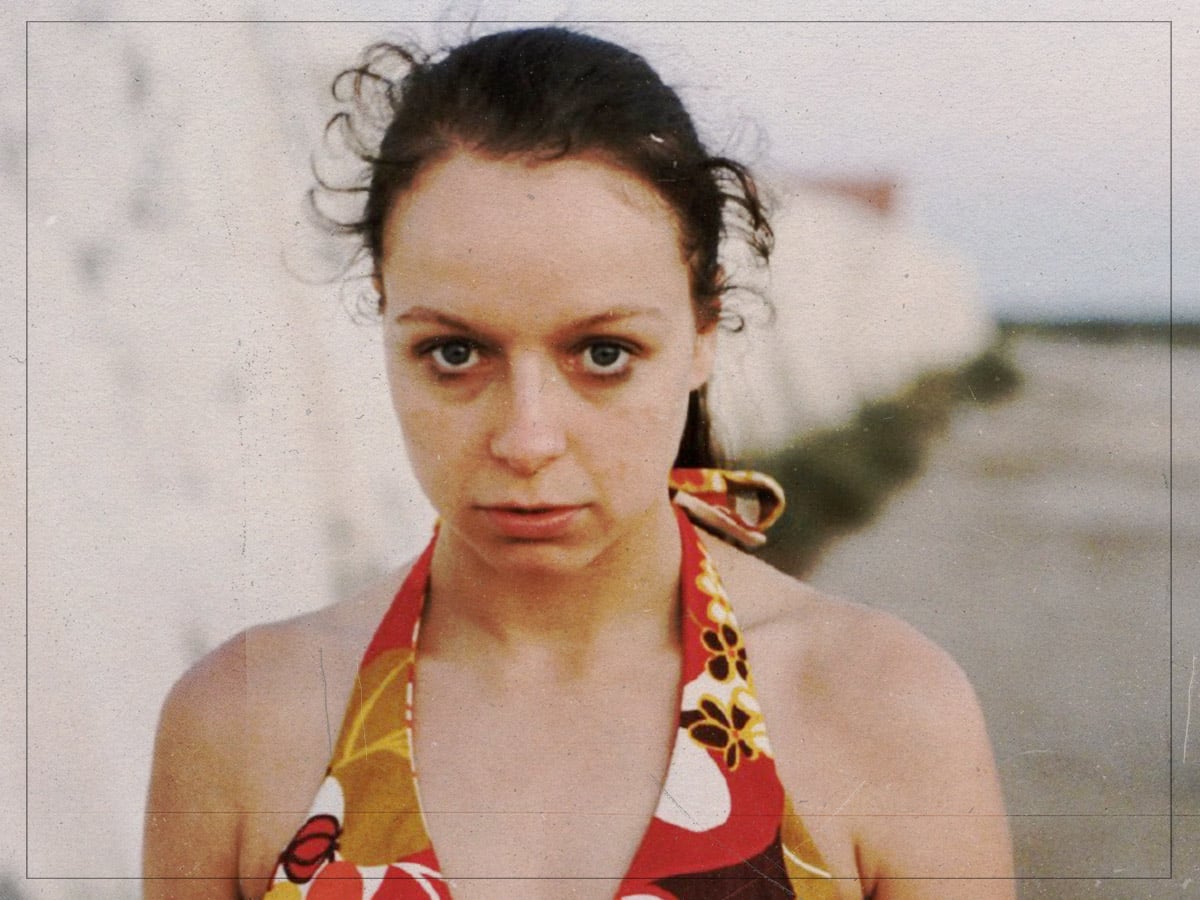
From shows like Gilmore Girls and Sex Education to movies such as Juno and Men in Black III, the band can be heard in a wide range of titles, but there are several that stand out as the most enduring. The most obvious one that comes to mind is perhaps The Royal Tenenbaums by Wes Anderson, which features ‘Stephanie Says’.
During a scene in which Gene Hackman’s Royal and Luke Wilson’s Richie are talking, the gentle notes of the song play as the hawk, Mordecai, returns. It’s a wholesome accompaniment, with many fans of the movie instantly thinking of the characters when they hear the twinkling sounds of ‘Stephanie Says’.
But what about the use of ‘I’m Stickin’ With You’ in Morvern Callar? Music is a vital component of Lynne Ramsay’s film; in fact, it becomes a character of its own, representing the feelings that Morvern, played by Samantha Morton, can’t process. After finding her boyfriend dead in their flat, having committed suicide, her reaction is unusual – she dismembers him and claims he simply broke up with her and moved out.
As she tackles the gruesome act in the bath, wearing nothing but her underwear and her Walkman tapped to her stomach, the classic Velvets track plays over the scene. It’s a terrific use of the song, which is part of a mixtape Morvern’s boyfriend has left her as a departing gift.
Taking the beautiful and childlike song, sung by drummer Moe Tucker, and contrasting it with Morvern cutting up her boyfriend’s body is just perfect. Is she really sticking with her boyfriend? Even in this moment of getting rid of his body, the lyrics are a darkly comic accompaniment: “But with you by my side/ I can do anything/ When we swing/ We hang past right and wrong.”
Morvern takes credit for his manuscript so that she can sign a publishing deal and earn some money, so while she makes a poor decision by dismembering her boyfriend and disposing of his body, she further binds herself to him by taking his work as her own. She sticks with him in a strange way, but grief certainly makes people do odd things.
