


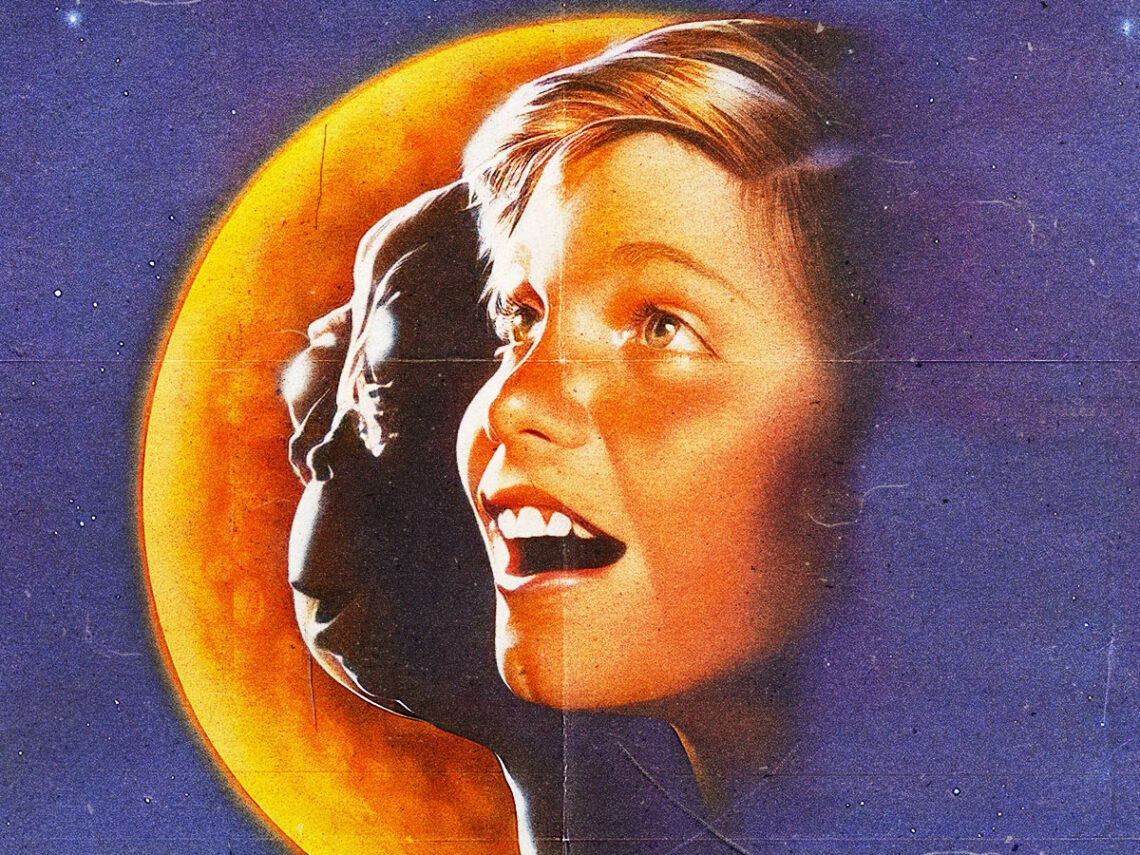
What did the McDonald’s movie ‘Mac and Me’ teach us about product placement?

Product placement has always been a contentious issue in the cinematic landscape, with some regarding it as an ingenious marketing strategy and others finding it a disconcerting distraction from the storytelling. It has led to some memorable, hilarious, often derided and frequently debated moments in film history. Most notably, when James Bond swigged from a bottle of Heineken instead of sipping on his signature martini in Skyfall, cinema had entered new waters. What we didn’t see, thankfully, was 007 munching on a McDonald’s double-cheeseburger. But don’t for a second think studios haven’t considered it.
While brands like Apple, Heineken, and Mercedes frequently make appearances on the big screen, it’s a rarity to spot the iconic Golden Arches. Save for the classic McDonald’s breakfast scene in the 1999 comedy Big Daddy, hardly any other examples come to mind. But there is an exception to this – a particularly large one, in fact. Almost ten years before the Adam Sandler comedy, a 1988 children’s sci-fi film called Mac and Me owed more to the famous fast food chain than just the first syllable of its title.
Mac and Me tells the story of a ‘Mysterious Alien Creature’, or MAC, and his adventures with a young boy named Eric Cruise. No, it wasn’t a comedy or some snarky parody of that other film about an alien and a kid. If you think the premise sounds similar to the beloved classic E.T. the Extra-Terrestrial – you’re not alone. The production team, painfully aware of the dangerous proximity to outright plagiarism, actually had to go to great lengths to make their alien different, including making the alien part of a larger family and giving him powers.
Despite these efforts, the film was not well-received upon release, with critics panning it for its blatant imitation of Stephen Spielberg’s kid-friendly masterpiece and the overt product placements of McDonald’s and Coca-Cola. Now, in case you’re wondering how much of an overreaction this is, or questioning just how prominent or hamfisted the licensed branding is, let me give you two shining examples.
Firstly, an entire scene takes place inside a McDonald’s restaurant, where Ronald McDonald himself features in a big dance sequence. Secondly, during an inevitable moment of mild peril where the alien is on the brink of death, what do you think it is that saves the creature? Some otherwordly medicine? The power of a child’s love? No – the rejuvenating carbonated drink that is Coca-Cola, which restores the aliens to perfect health.
This absurdly hamfisted association with McDonald’s came about due to an equally absurd coincidence; the efforts of producer R.J. Louis, who previously worked on advertising campaigns for the fast-food giant. Louis, who had worked on several adverts prior for the burger conglomerate and was intimate with its charity arm, the Ronald McDonald House Charities, claimed to believe that the next generation needed their own version of E.T. It’s worth remembering that this was less than six years later. Realising he was in a unique position and somehow concluding that McDonald’s was the perfect brand to join hands with, he pulled the right strings and secured the backing. Louis noted, “I was still the only person in the universe that ever had the exclusive motion picture rights to the McDonald’s trademark, their actors, their characters and the whole company.”
Louis maintains that the company provided actual cash for the film. But the most surface-level research shows that Golden States Foods, a foodservice company that primarily serves Mcdonald’s, gave some substantial funding. It doesn’t take much to read between the lines; Ronald McDonald straight-up subsidised the film. And then, as if one multi-billion franchise wasn’t enough, Disney decided to enter the fray following Mac and Me‘s deal with McDonald’s. In the words of the director Stewart Raffill, “The moment Disney heard we had this deal with McDonald’s, they went in and hammered out a three-year deal.”
This strategic move saw Disney leveraging the marketing potential of McDonald’s, cleverly ensuring that any and all toys inside a Happy Meal box were Disney-related, right up until 2006 when they began to ‘prioritise children’s health’.
The story of Mac and Me serves as a potent reminder of the delicate balance between art and commerce and indicates that the balance should be; thus, the storytelling and organic narrative should always trump the product. Also, that the type of product being placed matters. We always see DELL and Apple computers in films and TV, but we don’t bat an eyelid. People use technology on a daily basis, so it makes sense to see that represented on screen. But set a pivotal and climactic scene on the back of a Dominoes delivery bike? Now we’ve got a problem.
