


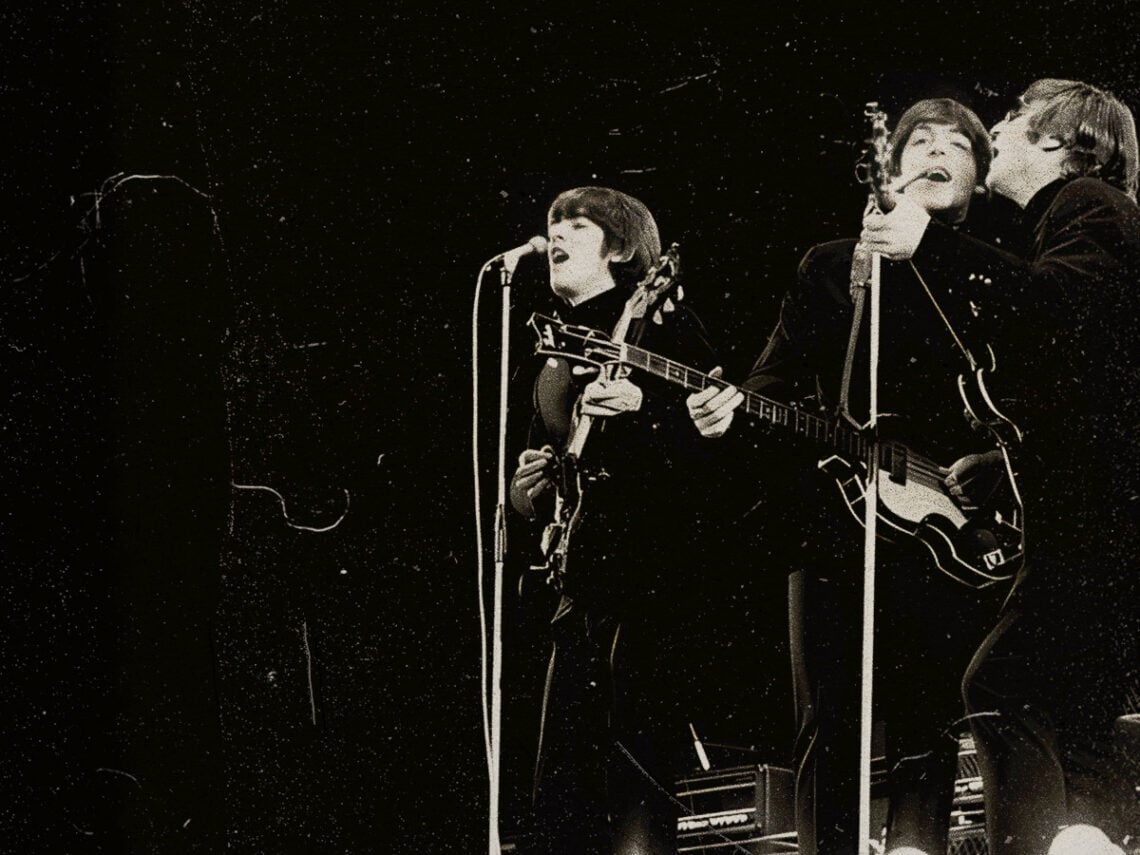
What did The Beatles play at their final public concert?

By August 29th, 1966, The Beatles were done with America. Although it had been just over two years since the band broke big in the USA, things were noticeably different when the group embarked on their third tour of the country. Whereas previous jaunts had been chaotic and eccentric in a good way, the 1966 tour turned out to be a shift toward the ugly and dangerous.
After suffering through a rough tour of Japan and the Philippines earlier in the summer, John Lennon, George Harrison, and Ringo Starr all expressed interest in putting a permanent stop to touring. Paul McCartney was resistant at first, but after two weeks of death threats, religious controversy, and subpar live sound, McCartney began to agree with his bandmates.
The same month that the US tour was announced, Lennon commented on religion to journalist Maureen Cleaver, which included remarks that positioned The Beatles as being “more popular than Jesus”. The comments didn’t even get a response from the British public, but just a few weeks before the tour was set to begin, American radio stations in the south started to boycott the band over Lennon’s comments. When The Beatles landed in America, they were greeted with organised burnings of their records and calls for Lennon to apologise or face increasingly hostile threats.
Apart from the controversy, The Beatles’ music had grown increasingly complex in the years since their first tour of America. The band’s then-recent release, Revolver, contained psychedelic experimentations that were impossible to replicate on stage. The only recent song to find its way into the setlist was the hard rock single ‘Paperback Writer’, and only two tracks from their previous release, Rubber Soul, ‘Nowhere Man’ and ‘If I Needed Someone’, were included as well.
Instead, the band had to rely on the early rock and roll covers and classic mop top-era material that they had outgrown by that point. With concerts flanked by Ku Klux Klan members and a raised tension from the band’s outspoken opposition to the Vietnam War, it had already been decided that the American tour would be the last live shows that the band would do for the foreseeable future.
San Francisco’s Candlestick Park was just the last in a long line of stadiums that The Beatles were playing at the time. After the massive success of their Shea Stadium show in New York the previous year, every tour stop on the 1966 trek was a stadium. With the large venues came disappointing sound quality, and when compounded with the screaming fans’ voices echoing throughout the venues, it made for an uncomfortable and unenjoyable experience for the band to play. Around 7,000 unsold tickets also put a damper on the group’s final concert.
So, what did the play?
The Beatles had a job to do, so they dutifully took the stage around 9:30pm and proceeded to play their standard 11-song set. Leading off with Lennon’s cover of Chuck Berry’s ‘Rock and Roll Music’, the band blasted through a half-hour of uptempo music that nonetheless felt rote and well-worn by that point. New additions like ‘Day Tripper’ added a new dimension to the shows, but Starr was still singing ‘I Wanna Be Your Man’ like he had for the previous three years.
The only moments of respite from the uptempo runs were the waltz-adjacent shuffle ‘Baby’s In Black’ and McCartney’s tender ballad ‘Yesterday’. Inclusions of singles like ‘She’s a Woman’ and ‘I Feel Fine’ rounded out the relatively brief setlist, and when it was time to check out, McCartney stepped to the mic and delivered a final frantic version of Little Richard’s ‘Long Tall Sally’ to put a cap of The Beatles’ live performing career.
After Candlestick Park, The Beatles withdrew from touring altogether, shifting their focus entirely to studio work. This allowed them to expand their musical horizons without the constraints of live performance, leading to the creation of some of their most innovative and critically acclaimed albums, including Sgt. Pepper’s Lonely Hearts Club Band and The White Album.
On their way back to England, uncertainty loomed over the band’s future, with doubts about whether they would even continue. Harrison felt his time with The Beatles might be over, but McCartney had other plans. After a few months of rest, during which Lennon filmed How I Won the War, McCartney gathered his bandmates and proposed a novel idea—a return to performing, but as a completely different band. This concept eventually blossomed into Sgt. Pepper’s Lonely Hearts Club Band, marking a full embrace of the studio and the creation of The Beatles’ new artistic identity.
Despite what came next, the Candlestick Park show stands as a pivotal moment in The Beatles’ career, marking the end of their days as a touring band and the beginning of a new chapter of creative freedom in the studio. It’s remembered not just as a milestone for the band but also as a symbol of the broader transition in rock music during the 1960s, as the art form moved from live performances to more experimental and ambitious studio recordings.
The Beatles setlist at Candlestick Park, 1966:
- ‘Rock and Roll Music’ (Chuck Berry cover)
- ‘She’s a Woman’
- ‘If I Needed Someone’
- ‘Day Tripper’
- ‘Baby’s In Black’
- ‘I Feel Fine’
- ‘Yesterday’
- ‘I Wanna Be Your Man’
- ‘Nowhere Man’
- ‘Paperback Writer’
- ‘Long Tall Sally’ (Little Richard cover)

Never Miss A Beat
The Far Out Beatles Newsletter
All the latest stories about The Beatles from the independent voice of culture.
Straight to your inbox.