


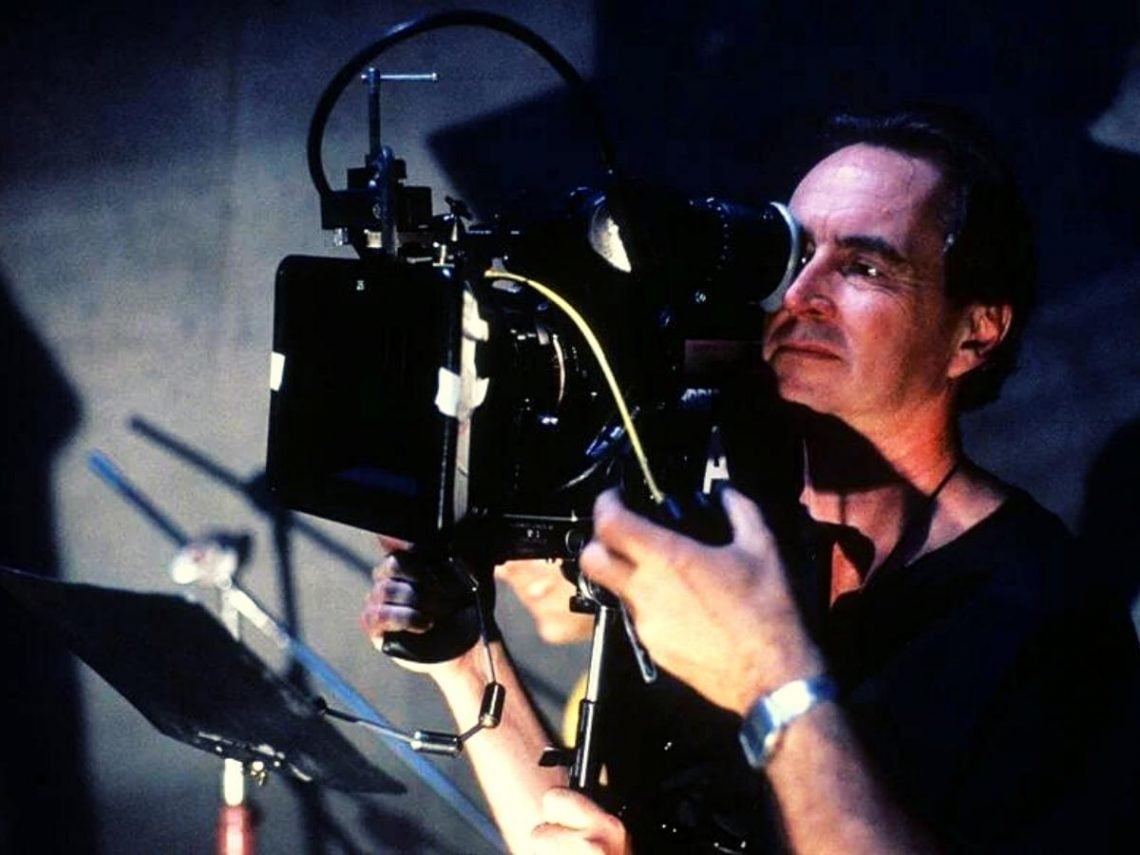
Wes Craven names three movies he found “terrifying”

With his name and reputation having been built on scaring audiences witless, it would be reasonable to assume there wasn’t much cinema had to offer that would be capable of terrifying Wes Craven. And yet, the filmmaker never forgot the movies that left him shaken to his core.
Breaking out in controversial style with The Last House of the Left – which was slapped with bans across the world – Craven immediately established himself as a writer and director willing to push the boundaries of horror through jarring bursts of violence and buckets of blood.
The Hills Have Eyes and A Nightmare on Elm Street furthered that agenda before Craven started displaying a subversive streak and penchant for jet-black humour, as well as his gleeful deconstruction of the tropes and archetypes that had defined big screen scares for decades.
Wes Craven’s New Nightmare and Scream were the apex of his newfound creative direction, and while the final years of his career were largely dedicated to the latter’s sequels, bar the occasional detour into new territory through troubled werewolf movie Cursed, airborne psychological thriller Red Eye, and disappointing slasher My Soul to Take, his status as one of horror’s foremost figures was already secured.
Unsurprisingly, Craven grew up on a steady diet of horror, although there were three titles in particular that chilled him above all others. Alfred Hitchcock’s Psycho was a landmark for the genre, with one scene leaving a lasting mark on the aspiring filmmaker, namely when Martin Balsam’s detective Milton Arbogast meets his demise.
Calling it “the scene that really frightened me the most”, Craven reflected to The Daily Beast how “Hitchcock did a very surreal thing where he put his actor on a lift so he could be flying backwards in mid-air in slow motion in a very surreal, dreamlike way”, which he anointed as “utterly terrifying”.
Ingmar Bergman’s medieval drama The Virgin Spring doesn’t sound like it would be a touchstone for The Last House on the Left, but Craven confirmed that it was, especially the scene where two girls are ultimately murdered by a band of shepherds. “That was horrific enough, but what really was terrifying to me was when these shepherds are lost in a storm and take shelter at a house that they find,” he explained. “And they do not know that this is the home of one of the girls they just killed”.
The narrative similarities are there for all two to see, in fairness, albeit unfolding under entirely different cinematic circumstances. Science fiction marked the third of Craven’s own nightmarish experiences on film, though, after he “snuck into a theatre” to see Byron Haskin’s 1953 version of The War of the Worlds.
“I just remember being totally terrified by that,” Craven recalled, with the “serpentine” design of the aliens standing out as an image he’d never forget. A black-and-white classic, a Swedish drama, and a sci-fi adaptation don’t immediately stand out as a trio of top-tier terrors, but one of horror’s most legendary directors would certainly disagree.
