


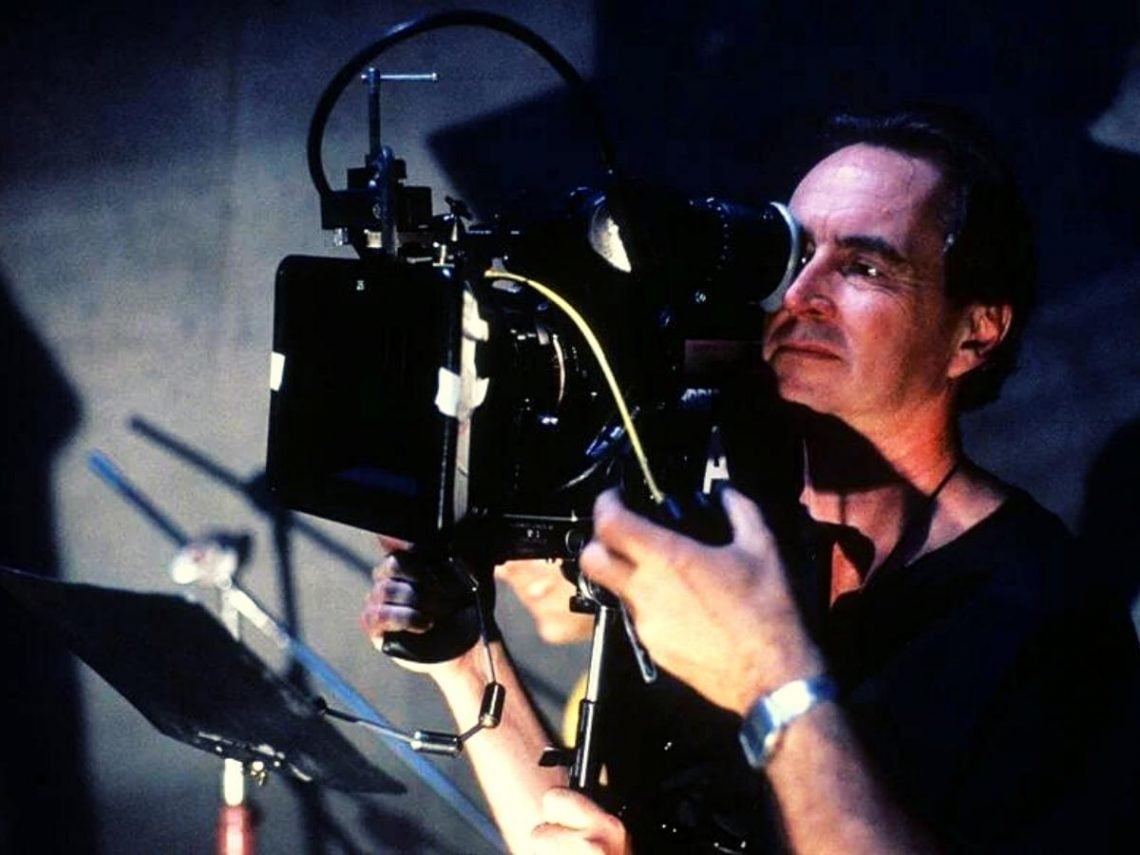
Wes Craven names the biggest “regret” of his career

The horror genre would not look the same if it wasn’t for the contributions of a significant handful of filmmakers. Dario Argento popularised the European Giallo style throughout the 1970s, John Carpenter bought horror mainstream in the following decade, and in contemporary cinema, it’s the production company A24 who has helped to curate a vigorous landscape of cinematic terror.
Still, no one has done more for the genre than Wes Craven, the American horror maestro who brought audiences everything from the dark visceral terror of The Last House on the Left in 1972 to the popcorn frights of Scream in 1996. Known for his innovative approach to storytelling, Craven’s most successful haunt was undoubtedly 1984’s A Nightmare on Elm Street, the film that introduced audiences to the terror of the fedora-wearing dream ghoul, Freddy Krueger.
Released amid the slasher movie craze of the 1980s, where other franchises such as Friday the 13th and Halloween also thrived, Nightmare on Elm Street played on the fantastical aspects of such hellish villains, telling the story of a group of teenagers who are each haunted by a serial killer who picks off his victims whilst they’re dreaming. Starring Johnny Depp in his very first on-screen role, the film also featured the likes of Heather Langenkamp, John Saxon and Robert Englund as the iconic villain.
The terror comes to an end when Krueger is finally dispatched by Langenkamp’s Nancy Thompson, or so she thinks. Waking up in the morning after a particularly monstrous dream in which she appeared to kill Krueger once and for all, she stares out into blissful suburbia before jumping in a car with all her previously deceased friends. Waving to her daughter as she drives away, Marge, Nancy’s mother, is suddenly pulled through the small window in her front door by the villain’s bladed hand – the nightmare continues.
But, this wasn’t the idea for Craven’s original ending, with this being detailed in an interview regarding the film’s history for Vulture.
Recalling the shoot, Bob Shaye, the founder of New Line Cinema, stated: “Wes had written an ending where Heather vanquishes Freddy and goes off to school the next day. It’s beautiful sunshine, and that’s the end. I’d seen Friday the 13th and some other films, and there’s always a zinger at the end. There was no zinger here”.
Replying to this, Craven explained: “Bob wanted a hook for a sequel. I felt that the film should end when Nancy turns her back on Freddy and his violence — that’s the one thing that kills him. Bob wanted to have Freddy pick up the kids in a car and drive off, which reversed everything I was trying to say — it suddenly presented Freddy as triumphant. I came up with a compromise, which was to have the kids get in the convertible, and when the roof comes down, we’d have Freddy’s red and green stripes on it”.
Even though it’s remembered as one of the most iconic horror movie endings of all time, Craven isn’t too fond of it, concluding his thoughts by stating, “Do I regret changing the ending? I do, because it’s the one part of the film that isn’t me”.
