


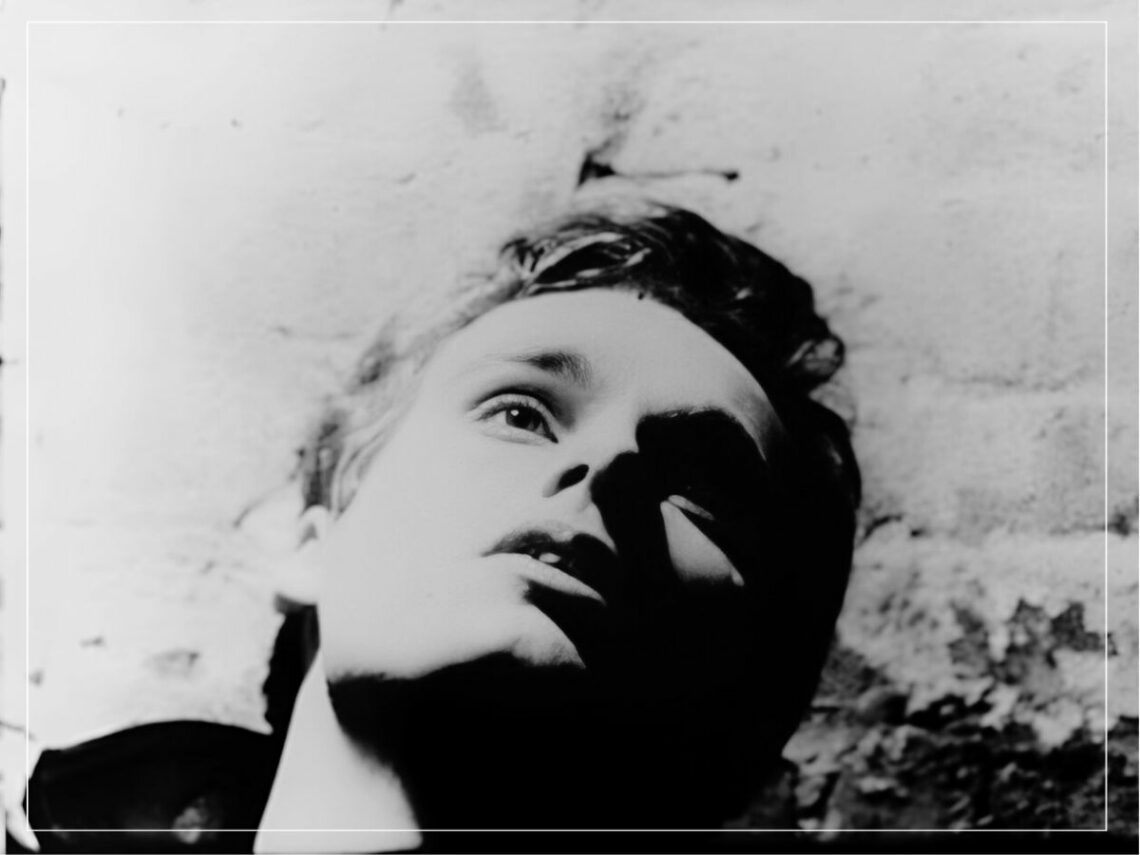
‘Blow Job’: Andy Warhol’s controversial 1964 short film

“Art is what you can get away with.”—Andy Warhol
Andy Warhol, one of the 20th century’s most influential artists, is renowned for his significant role in the Pop Art movement. His 1964 short film Blow Job serves as an experimental meditation on the sexual act, transforming the profane into the profound before dismantling itself to reveal an enigmatic void.
For 36 minutes, the camera remains fixed on the face of a man who seemingly receives the titular act. His shifting expressions—oscillating between ecstasy and ennui, engagement and detachment—invite the viewer to contemplate intimacy, performance, and the abstraction of human experience.
Blow Job features the actor DeVeren Bookwalter, whose face remains the sole focus of the camera throughout the film. The static shot captures his expressions, ranging from pleasure to tension and even boredom, as he reacts to what is implied to be an ongoing act of oral sex. However, the act itself is never shown, and Warhol leaves it entirely to the audience’s imagination. The lack of explicit imagery makes the film as much about anticipation and interpretation as it is about voyeurism.
The camera never pans out to show the act itself because it doesn’t need to. The film censors itself as if to criticise the strict sensibilities of society at that time. Many newspapers and theatres could not bring themselves to even mention the title of the film, listing it as A Title That Can’t Be Revealed, a film by Andy Warhol, “A title that can’t be mentioned in a family newspaper” or, more directly, B-J.
Warhol famously said that the act was performed by “five beautiful boys”, something which adds another dimension to the short film and makes it a notable addition to the discourse of homosexuality and gay pride. Since the camera never captures the boys performing the act, it somehow works as an artistic statement about the prejudices of heteronormativity. We would never be able to guess if Warhol himself hadn’t specified it, therefore dismantling any bigoted claims about the act itself.
Blow Job challenged the societally constructed idea of sexuality by introducing Queer sensibilities to that very limited framework. The self-reflexive short film remains an important work of art because of the relevance of its political statement as well as the artistic depth of Warhol’s vision. It is an interesting evaluation of the concept of voyeurism and a commentary on the tyranny of censorship.
Today, the film is considered an important work in Warhol’s exploration of the boundaries of cinema. It exemplifies his ability to subvert expectations and elevate the banal or everyday into high art. By stripping away narrative and traditional structure, Warhol invited viewers to confront their own perceptions of art, desire, and voyeurism.
It goes without saying, Blow Job is a quintessential Warhol project: provocative in concept, minimal in execution, and layered in meaning. It remains a striking example of his ability to turn the mundane into art and to challenge audiences to think about what they see—and what they don’t.
