


‘Up the Junction’: how Ken Loach’s social realist play changed UK legislation

The British kitchen sink drama that flourished in the 1960s gave way to many affecting tales of working-class plight, and while most of these focused on men, there were several vital female-centric tales that highlighted issues like single motherhood, abortion, and domestic violence.
It feels strange to say that the genre ‘flourished’, because these stories of disillusionment and disregard at the hands of a selfish government weren’t always a vision of hope and renewal as the word might suggest. Yet, there were many social realist films and television plays cropping up during the decade as a brutal attack on a period of welfare inequality with a serious need for social reform.
Cathy Come Home, Ken Loach’s 1966 instalment of The Wednesday Play, is one of the most heart-wrenching, with the titular character, played by Carol White, struggling to find stable housing for herself and her children in a particularly poverty-stricken area of London. The filmmaker reunited with White for Poor Cow the following year, a similar tale of poverty and motherhood adapted from Nell Dunn’s novel of the same name.
Loach’s films tapped into the dark heart of a country that supposedly cared about its citizens, but in reality, showed little regard for anyone without a considerable wad of cash in their pocket. In both films, housing is a luxury that few can get hold of, and men are prone to violent outbursts, but these women aren’t helpless victims – they’re real, funny, desiring, and flawed. It’s Loach’s documentary-like approach that really illuminates these characters, because they’re not really fictional at all.
Before these two blistering works, however, Loach had teamed up with Dunn for an adaptation of Up the Junction, a collection of short tales and vignettes of working-class life in Clapham. Teenage girls (including one played by White, no less) and older women collide as they spend their days chatting over the whir of factory machines, spending their evenings going out and trying to get lucky, knowingly risking the threat of pregnancy.
Up the Junction is raw in its depiction of certain harrowing scenes, from backstreet abortions to motorcycle deaths, with young girls having affairs with married men, and petty theft being a common form of getting by; it was groundbreaking for many viewers, who either saw their own lives reflected back at them for the first time or came to understand the gravity of life for those living in such poverty-stricken areas.
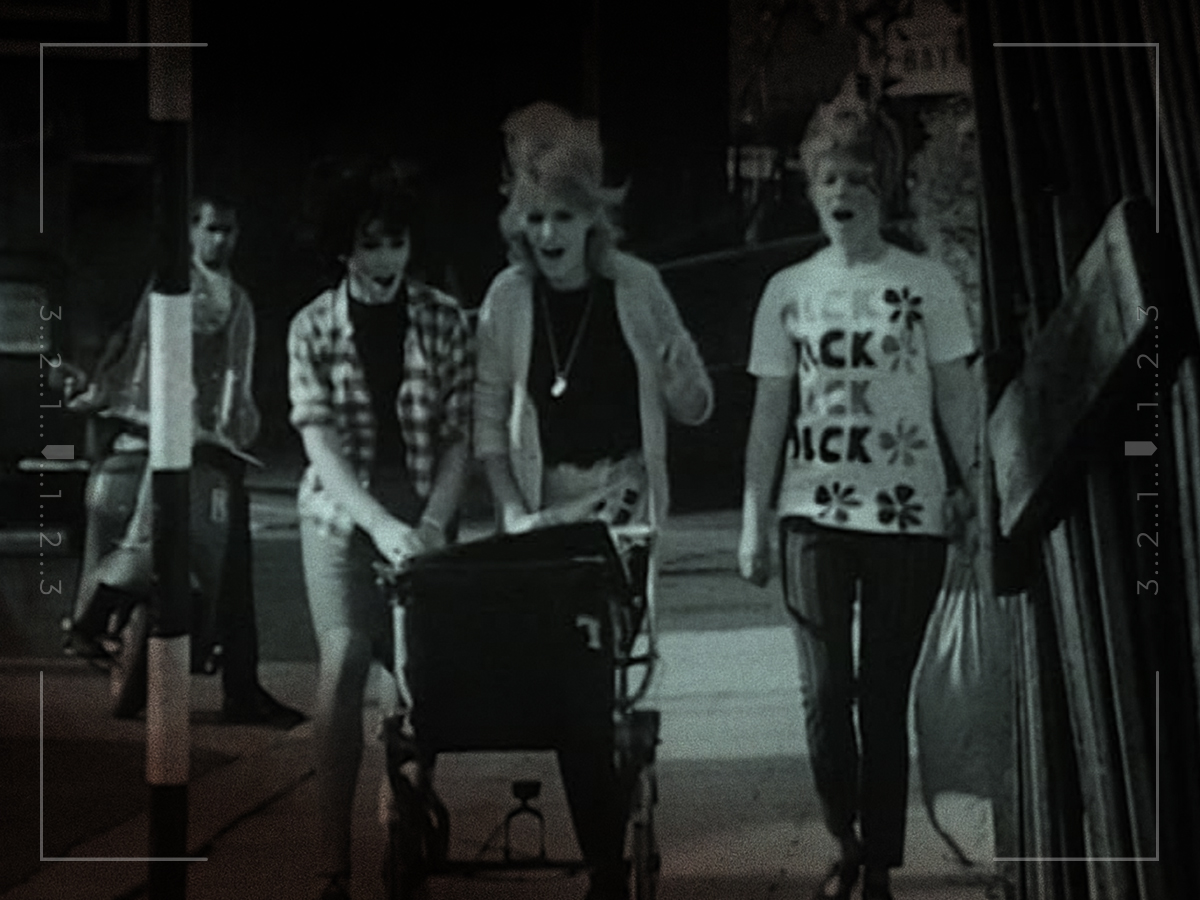
Adapted for the screen, the 70-minute television play could easily be mistaken for a fly-on-the-wall documentary, with grainy black-and-white footage framing illicit affairs in abandoned warehouses, girls singing the Beatles as they swing through the street with a pram, and mindless pub chatter that exposes the one thing that most men have on their mind.
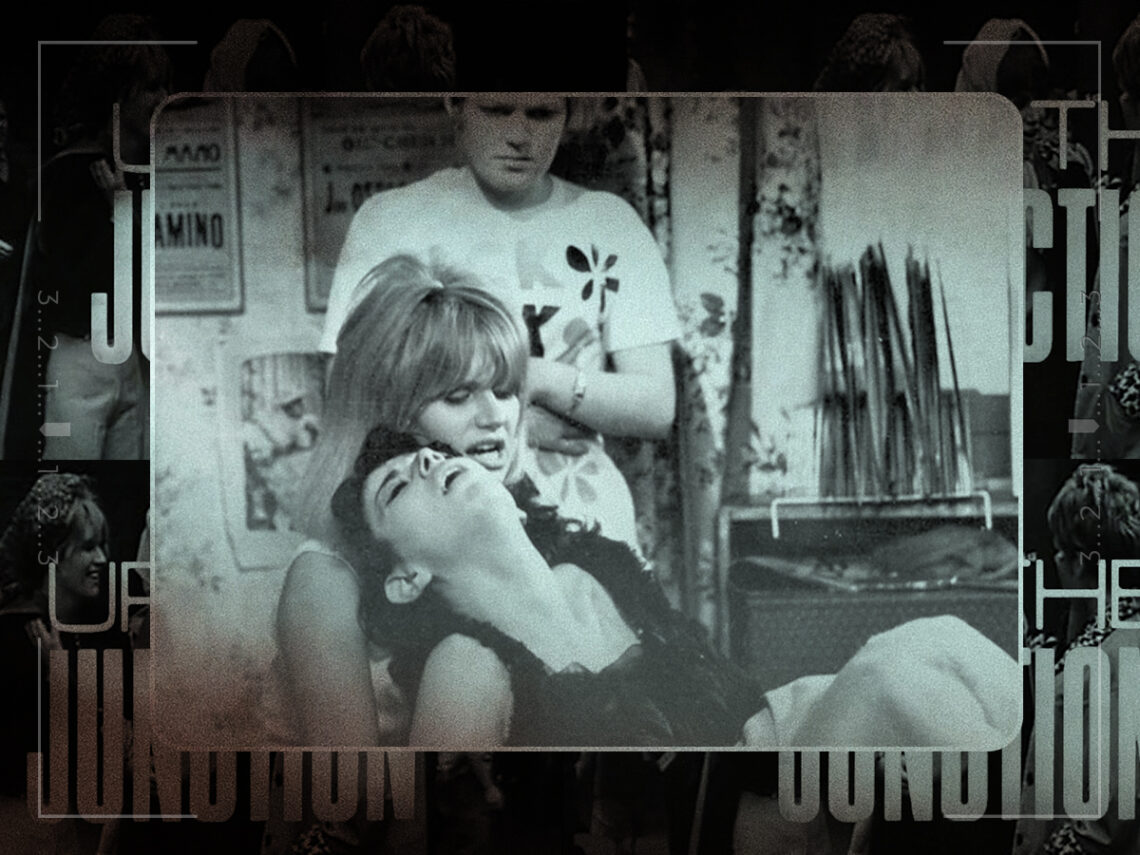
The most unforgettable scene, however, is the sequence in which a 17-year-old girl goes for an illegal abortion, worrying that it’ll go wrong but ultimately deciding that she’s got no choice, so she might as well do it, and we see her writhe in pain, sweat dripping off her face as she screams and wails. It’s heartbreaking to see, and it’s a stark reminder of the number of women, perhaps our own ancestors, who had to risk their lives in the name of seeking out an abortion, which should simply be a form of accessible female healthcare.
Back then, it was illegal to terminate a pregnancy because, apparently, male lawmakers know best. This scene in Up the Junction, however, was so hard to watch – so visceral and alarming – that it ended up having a real-world effect. You cannot underestimate the power of a film in actually changing the world; that’s why art is so important.
Up the Junction caused so much uproar with certain conservative viewers that many people wanted it banned. It wasn’t screened again after it initially debuted on the BBC, with hundreds of complaints coming in about the film’s pro-abortion stance. Yet, in the end, this fierce conversation only made the topic of legalising abortion more prevalent, and it became a major factor in the government’s decision to ultimately create the Abortion Act 1967.
From then on, it became legal for a woman to have an abortion under certain circumstances, including under the NHS, if two practitioners deemed that a mother’s or baby’s health would be seriously at risk if left untreated. It was a major turning point, saving the lives of so many women who had previously had to seek out backstreet medical practitioners – an abortion often taking place in someone’s back room –which were seriously life-threatening.
Abortion laws remain tenuous, though, with fierce anti-abortion campaigners still advocating for the supposed protection of life all these years later. Yet, if Up the Junction teaches us anything, it’s just how vital safe and accessible abortion is for all.
