


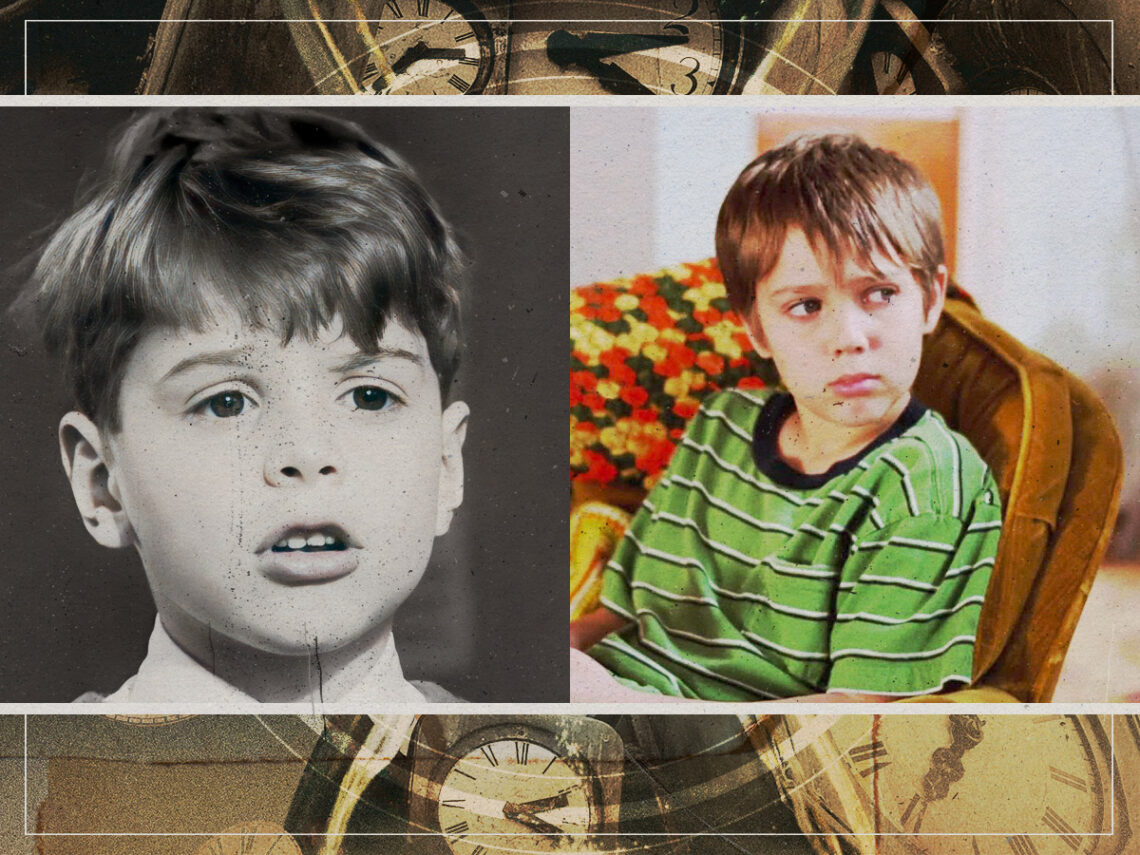
The passage of time in Michael Apted’s ‘Up’ and Richard Linklater’s ‘Boyhood’

While movies like Dazed and Confused and School of Rock often take the limelight when it comes to the most memorable efforts of Richard Linklater, his 2014 epic coming-of-age drama Boyhood serves as one of his most unique entries, particularly considering that it was filmed between 2002 and 2013.
During those 11 years, the life of Mason Evans Jr, played in the film by Ellar Coltrane, is detailed from his childhood to his adolescence, during which time he grows up with his divorced parents in Texas. Going back several decades and even across the Atlantic Ocean, Boyhood finds its roots in the British documentary film series Up, which first aired in 1964.
While the time and geographical location of Up and Boyhood starkly differ, the two works share a similar ethos to show the passage of time and its effects on a person or group of individuals. Up began with Paul Almond’s 7 Up, which followed the lives of fourteen British children from different socioeconomic backgrounds to document their life experiences.
Seven years later (and every seven years since then), the series was taken over by Michael Apted, who showed how one’s social class would have a significant impact on the person they would end up being. The first film in the series shows the young children’s early dreams and aspirations, which had naturally changed by the time they were 14 years old.
As 21 Up, 28 Up (and so on) arrived on screen, Apted showed that the socioeconomic factors of certain individuals had indeed played their hand in the adulthood success of the series’ subjects, although personal choice was also shown to have been imperative. Still, Up showed the way that a human being develops from a young, hopeful person into an adult who experiences the highs and lows of life.
Boyhood, on the other hand, though fictional, was shot over the course of 11 years and provided an almost seamless version of a young man growing up to the precipice of adulthood. There’s an admitted difference here in the way that Up is fragmented in its approach to narrative, but the result is largely the same thing. In fact, it’s one that goes further than Linklater’s film by providing several seven-year jumps over the course of many decades.
Up is a significant work in the documentary film genre, and its capability to tell intimate stories with lengthy gaps is a testament to the prowess of the medium. What it required was a stark commitment to a long-term project, both from the filmmakers and the subjects themselves, in order to examine and interrogate the facets of society that impact our personal lives the most. That kind of time-lapse storytelling would become a central feature of cinema, and it was eventually taken on by Linklater when he came to make Boyhood.
Both Up and Boyhood serve as time capsule works of film, though they are distinct in their respective real-life and fictional narrative aspects. Growth and identity comprise the core of both works and show how vital our upbringing, whether from a social or familial perspective, is in constructing the persons that we will eventually come to be. Where the raw and honest documentary Up shows such a piece of our lives, it found its fictional analogue in Richard Linklater’s excellent and fascinating coming-of-age film Boyhood, which took on its artistic and narrative reins.
