


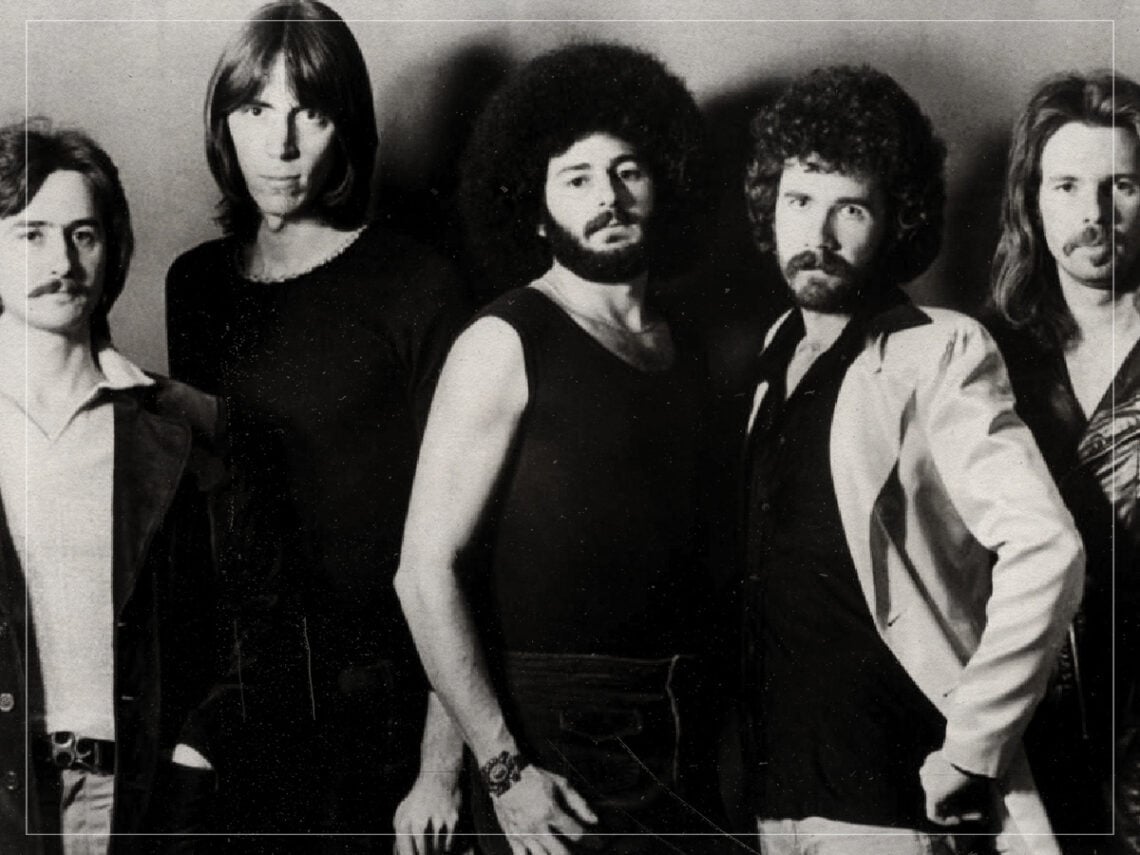
The unfortunate habit that held Boston back: “Nobody else hears it”

In 1976, studios around the world were filled with rock bands making history, but that wasn’t the case for Boston.
Instead, Tom Scholz locked himself in a basement and put together music that people would eventually call stadium rock, ironic that it wasn’t made anywhere near a stadium, because his approach was certainly unique, as rock music was always seen as a collaborative effort, something where groups of like-minded musicians would come together and create something in the heat of the moment.
Consider a group like Led Zeppelin, who were peaking at the same time Scholz was working on his debut, as the band first played together in a small basement room in Chinatown, with no plan in place and no idea how their sound would come out, and it wasn’t until they started playing together that they realised they had tapped into something truly unique.
“I remember the little room, all I can remember it was hot and it sounded good – very exciting and very challenging,” said Robert Plant when discussing the jam session. “Because I could feel that something was happening to myself and to everyone else in the room. It felt like we’d found something that we had to be very careful with because we might lose it.”
That’s an experience which withstands the test of time. During an interview with Travis bassist Dougie Payne, he said that he and his fellow band members had a similar experience when they first jammed together some 30 years after Zeppelin. It doesn’t matter how much time goes by, the power of playing music with people will always be a massive part of artists’ lives.
“I had nothing to compare it to,” he said, “You know, I’d been in bands in school, but I hadn’t been in this band. So, we struck up ‘All I Wanna Do Is Rock’ as the first song, and I was just concentrating on what I was doing, trying to make sure I’d learnt the song right, but they were all looking at each other going, ‘Oh, this feels amazing’.”
Playing in this environment is important for a couple of reasons. Firstly, it ignites a lot of people’s passion for making music, but secondly, it teaches artists about the art of imperfection, and when you make music on your own, you become obsessed with your own vision, chopping and changing different ideas, which in turn stops you from ever actually finishing anything, because when you play live, you recognise that even when a song is botched, it can sound great, and being willing to embrace imperfections is an important move for any artist.
Tom Scholz, despite having a great musical mind, was never willing to embrace his imperfections, and it led to him not making as much music as he was capable of. When he made his debut album, he did so in a small room in his home, putting together different machines that allowed him to record as if in a rock band, without actually having a band present, and that debut album was a phenomenal success, but that acted as a blessing and a curse, as on one hand, Sholz had a hit record, but on the other, it solidified the fact that his idea of perfect was damn near perfect. As such, the curse of perfectionism ruled over his career, and he was cutting up recordings before they were even finished.
“On the first album, I avoided doing a lot of cutting on the tape,” said Sholz when going over his newfound penchant for perfection. “The problem is, I always change my mind with an arrangement, so there’s always gonna have to be a razor blade handy.”
