


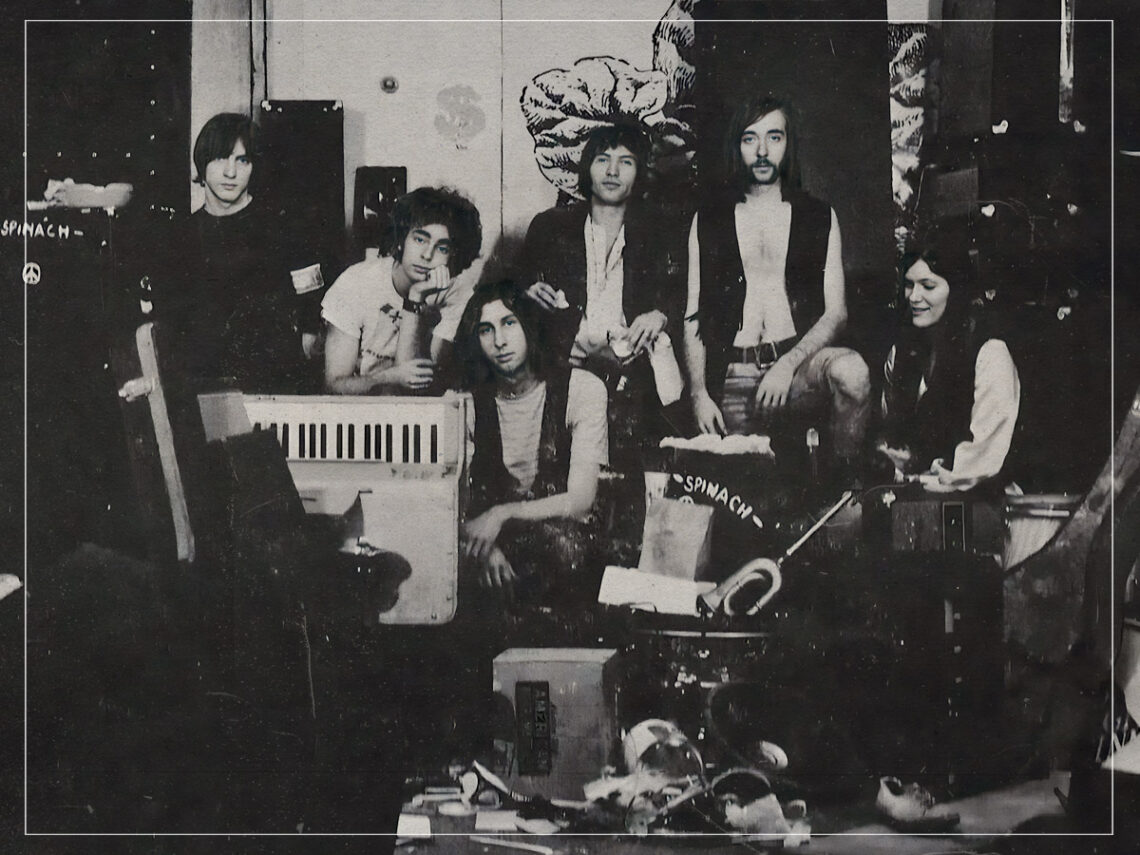
Ultimate Spinach and the East Coast’s failed attempt at its own Laurel Canyon

The mid-to-late 1960s saw California’s Laurel Canyon blossom into a vibrant hub of creativity, with pivotal counterculture names like Joni Mitchell, Jim Morrison, CSNY, and others contributing to the district’s distinctive musical identity. At this juncture, it seemed impossible for any other state or city to match up to the lively bohemian reputation Laurel Canyon had curated, but that didn’t stop many bands from trying.
Emerging from Boston, Massachusetts, in the late 1960s, Ultimate Spinach would be the East Coast’s answer to Laurel Canyon, reflecting the kind of innovative and energetic atmosphere that had bustled on the West Coast during the same pivotal time. Although somewhat different in its psychedelic sound, Ultimate Spinach found its roots in the same artistic community but with a more complex appeal.
The band, which comprised Ian Bruce-Douglas, Barbara Hudson, Keith Lahteinen, Geoff Winthrop, and Richard Nese, emerged, quite literally, from a moment of immense inspiration. Well, the band’s genesis was somewhat conventional, but their name came from an acid-induced epiphany Bruce-Douglas had one night after writing various lines on his face with coloured marker pens. Looking at himself in the mirror, covered in various lines, he proclaimed, “I am ultimate spinach. Ultimate spinach is me!”
This decision worked out well, not only in preconceiving the band’s forthcoming success and ability to cut through the noise but in representing their colourful position in the psychedelic scene. Ultimate Spinach rose from the grandeur and promise of the ‘Bosstown Sound’—the next best psychedelic movement that would surely rival the energy of Lauren Canyon—shrouded in the dream of supercharging the new epicentre of musical innovation.
For a little while, things seemed to be headed that way. Following the release of their 1968 self-titled debut, Ultimate Spinach generated an immensely promising level of excitement with an anti-war concept album that utilised many of the psychedelic sensibilities that categorised the West Coast. To this day, this album is regarded as a psychedelic classic, making their brief tenure appear even more unusual.
Despite Ultimate Spinach’s success, which positioned them as central to the ‘Bosstown Sound‘, the following albums failed to live up to the same levels of success, and much of their material was ushered into the same pile as many other Boston bands attempting to recreate the Laurel Canyon atmosphere at the time. Ultimate Spinach could have made it, but with diminishing publicity and overdone West Coast mimicry becoming a massively unappealing trait, they faltered.
The band’s second album, Behold & See, seemed to lean into this forthcoming failure more than the band perhaps intended to. Although many aspects were executed with the same appeal as their debut, the performances seemed half-baked, almost like they had already resigned themselves to not having longevity like they initially intended, resulting in a lack of energy that seeped through into the album’s sound. This continued into their third and final album, Ultimate Spinach III.
However, the sound wasn’t the only thing that prevented Ultimate Spinach from defining the next coming of Laurel Canyon. Conflicting visions lead to internal tensions, and, alongside their inability to catch on with the speed and fervour they desired, the group dissolved after the third album, likely owed to Bruce-Douglas’ earlier departure, leaving the remaining members with even less of a clear direction.
