


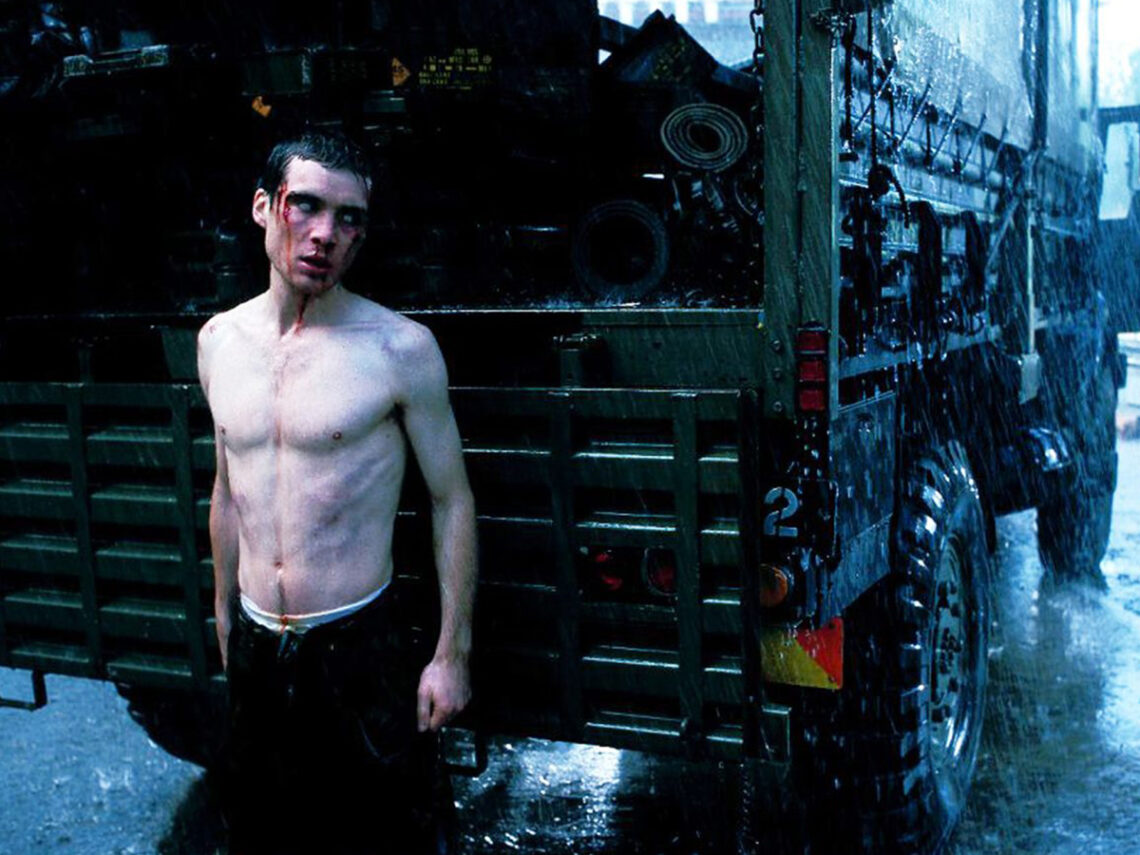
The two biggest inspirations behind ’28 Days Later’: “Chief among the various influences”

One of the biggest films of the 2025 summer period will undoubtedly be Danny Boyle’s 28 Years Later. Featuring an all-star cast including Jodie Comer, Aaron Taylor-Johnson, and Ralph Fiennes, this follow-up to 28 Days Later (and 28 Weeks Later, which deserves more love than it gets) is set in a world ravaged by the so-called ‘Rage Virus’, which transforms carriers into violent, bloodthirsty monsters who can spread the illness via their blood. They’re basically zombies, but nobody ever says that word for some reason.
Fans have waited a long time for another film in this series, although not as long as its title would suggest. When the first one released in 2002, cinephiles were gripped by its depictions of post-apocalyptic London and the introduction of ‘fast zombies’. Not everyone is a fan of the gimmick, but it has come to define the series. Whilst Boyle wasn’t the first filmmaker to include undead monsters that could sprint in his film, he certainly popularised it for a modern audience.
28 Days Later is still regarded as one of the best British horror movies of the modern age, which is why it’s getting a sequel after such a long time. Fans of the franchise are unsurprisingly keen to learn everything about it, so when writer Alex Garland spoke to Inverse about what inspired him to pen the script, they were frothing at the mouth.
“When I was a teenager, I watched a bunch of zombie films. I really loved them. And then I basically forgot about zombie films for more than ten years until the video game Resident Evil came out,” Garland explained. “What I found out playing Resident Evil was that, in a funny way, the zombies themselves didn’t pose much of a threat because they were so slow-moving. The tension did not come from the zombies, it came from the fact that you didn’t have many bullets to deal with them. I thought: what if the zombies moved as quickly as the dogs?”
Released in 1996, the first instalment in Capcom’s wildly popular Resident Evil franchise is set in a remote mansion overrun by zombies. Much like in Garland’s script, these creatures are the result of an infection, known as the ‘Tyrant Virus’ or ‘T-Virus” for short. As the writer alluded to, the main challenge in the game is surviving with limited resources, such as ammunition and health. Other enemies include infected dogs, which are much faster and harder to kill than their human counterparts. A quick Google search of ‘Resident Evil dogs’ will reveal just how annoying gamers have found these murderous mutts over the decades.
Garland, who has also directed his own movies including Ex Machina and Civil War, called his 28 Days Later script “derivative”. As well as taking notes from Resident Evil, he also highlighted The Day of the Triffids as “chief among the various influences.” This 1951 novel by John Wyndham explores a scenario where an alien species of plant lands on Earth and starts killing people. It was made into a cult favourite movie in 1962 by director Steve Sekely.
Polygonal zombies, annoying dogs, killer plants, and lots of imagination. It took a lot of ingredients to make 28 Days Later, but all that hard work was certainly worth it.
