


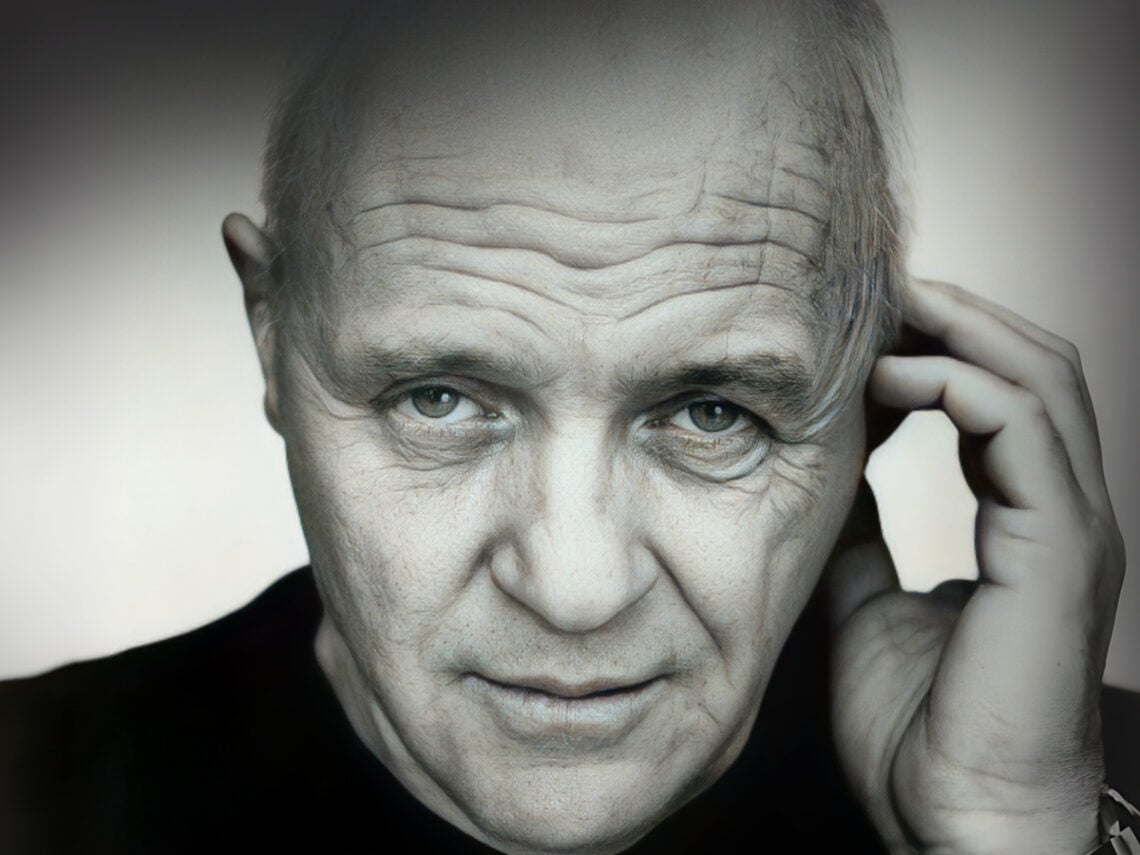
Deals with the devil: The two actors Anthony Hopkins called “Faustian”

With a career spanning over 60 years, Anthony Hopkins is sure to have seen extreme dedication to the part on many occasions. Yet, even the most long-standing and prolific actors are sure to meet their limits from time to time.
For a stage actor, the most extreme comparison one can face is to the character of Faust. A protagonist in numerous works of literature and art, Faust originates from a classic German legend. He is a successful yet deeply dissatisfied man who makes a pact with the devil, exchanging his soul for unlimited knowledge and worldly pleasures. The story is often seen as a cautionary tale about sacrificing the spiritual virtues of humanity in pursuit of power, material gain, and self-indulgence—an archetype that speaks to the moral and existential dilemmas faced by many.
So, for an actor to call a colleague Faustian is a pretty big deal, although, to Hopkins, this comparison cannot be viewed as anything but positive. For him, the actors in question were Richard Burton and Peter O’Toole, and the devilish appraisal of their craft is a compliment that delineates their desire to do anything to nail the role.
Speaking to Talk Cinema about his time playing Martin Dysart in the psychological play Equus, Hopkins notes that the only contact he had with his successor, Richard Burton, was asking for his autograph in the changing room. Burton covered the role of Dysart for several weeks while Hopkins was on leave, which must have been somewhat of a kick for the actor who idolised him.
Anthony claimed, “What I loved about Burton was that he shook to the rafters.” While the definitive meaning of this remains obscure, Hopkins clearly regarded Burton as someone who threw himself into his role and always elicited a raucous reaction – even when his career was declining. He also found it to be a ”strange destiny” that they played the same role as they were ”born at the same time” and in the same town in Wales, with a chance encounter between the two inspiring Hopkins to pursue a career in acting.
He saw Peter O’Toole in much the same light, comparing them both to the tortured German legend, “[He] did exactly what he wanted to do – like Peter O’Toole. The two of ‘em may have burnt out a bit, but they had the guts to do what they did, whether they damaged their health or not – fine, they were Faustian.”
To Hopkins, the dedication of Burton and O’Toole to their craft became a sacrifice to the devil of acting and the end result was worth it. Despite both dying relatively young due to alcoholism, which surely stemmed from their busy careers, the magic that they delivered to both film and theatre audiences was worth it. However, Hopkins makes it clear that he does not encourage their ‘Faustian’ ways or partake in their devilish sacrifice, “I was fortunate to have survived that. I’ve got the same passion and drive to create, now more than ever”.
He makes it clear that with passion and drive any actor can achieve the same ‘rafter shaking’ ends without having to sacrifice their soul to the devil of show business, fame and fortune. After all, Hopkins touts an industrious, varied career on both stage and screen which ran parallel to that of Richard Burton and Peter O’Toole, and while he suffered briefly from alcoholism, he has been sober since 1975.
