


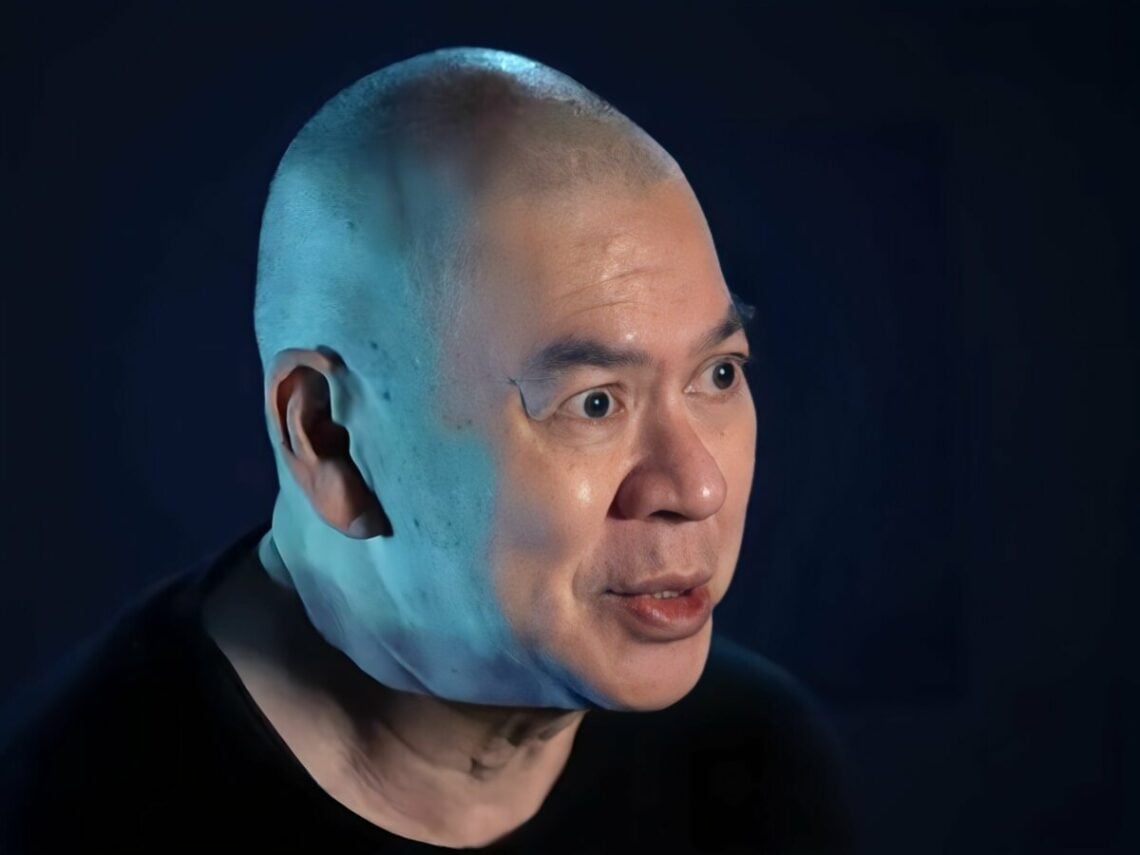
Tsai Ming-liang names five older movies that he loves

The contributions of Tsai Ming-liang to cinema move elegantly through tales of longing and alienation, establishing him as one of the preeminent voices in international film. Born in Malaysia and forging his career in Taiwan, Ming-liang has consistently demonstrated a knack for crafting visually stunning films, often exploring themes of isolation, human connection, and time.
His work doesn’t stand in isolation but is deeply interconnected with the broader tapestry of world cinema. Ming-liang doesn’t just create stunning feature-length movies or majestic short films like Walker; he’s an ardent cinephile, absorbing influences and inspirations from across the globe, intertwining them with his unique narrative and aesthetic sensibilities.
In a fascinating dialogue with Le Cinéma Club, Ming-Liang unveiled a collection of films that have profoundly affected him. It’s a list that is as varied and global as his own body of work, shedding light on the thematic and stylistic elements that resonate with him both as a filmmaker and a viewer.
He fondly recalled Lee Sun-Fung’s Beauty Raised from the Dead, remarking: “In recent years, I watched a large number of black and white Hong Kong movies from before I was born… Beauty Raised from the Dead, a horror film adapted from the classical Chinese opera Peony Pavilion, left the deepest impression on me.” Ming-liang added: “That period was the pinnacle of Hong Kong cinema both in terms of quantity and quality.”
Chimes at Midnight by Orson Welles also found a cherished place in Ming-liang’s cinematic memory. Sharing his experience, he said: “I bought the DVD for Chimes at Midnight at one of the last remaining video stores in Taipei. It’s a film by Orson Welles that I’ve been wanting to see for a long time.” Ming-liang was particularly moved by Welles’ multifaceted cinematic prowess, describing the directing, cinematography, and Welles’ own performance as “astonishing”.
Speaking about Apichatpong Weerasethakul’s Uncle Boonmee Who Can Recall His Past Lives, Ming-liang focused on a peculiar scene, stating, “I watched this film again for the intercourse scene between human and fish.” Apichatpong’s ability to take seemingly ordinary or even bizarre elements and weave them into “a tale of melancholy and poetry” captured Ming-liang’s admiration.
The comedy film Record of a Tenement Gentleman by Yasujiro Ozu presented a post-war narrative which, according to Ming-liang, delicately portrayed the “life of children in the lower rungs of society.” He appreciated how “the children in Ozu’s films are always angelic, bringing smiles and hope to an otherwise difficult and unbearable life.”
Lastly, Charles Chaplin’s Limelight also played a noteworthy role in Ming-liang’s own filmmaking. “I have used a piece of music composed by Charles Chaplin twice in my films,” Ming-liang shared, adding how the piece, ‘Eternally’, has emotionally underscored his works I Don’t Want to Sleep Alone and Days.
Tsai Ming-liang’s favourite movies:
- Beauty Raised from the Dead (Lee Sun-Fung, 1956)
- Chimes at Midnight (Orson Welles, 1965)
- Uncle Boonmee Who Can Recall His Past Lives (Apichatpong Weerasethakul, 2010)
- Record of a Tenement Gentleman (Yasujiro Ozu, 1947)
- Limelight (Charles Chaplin, 1952)
