


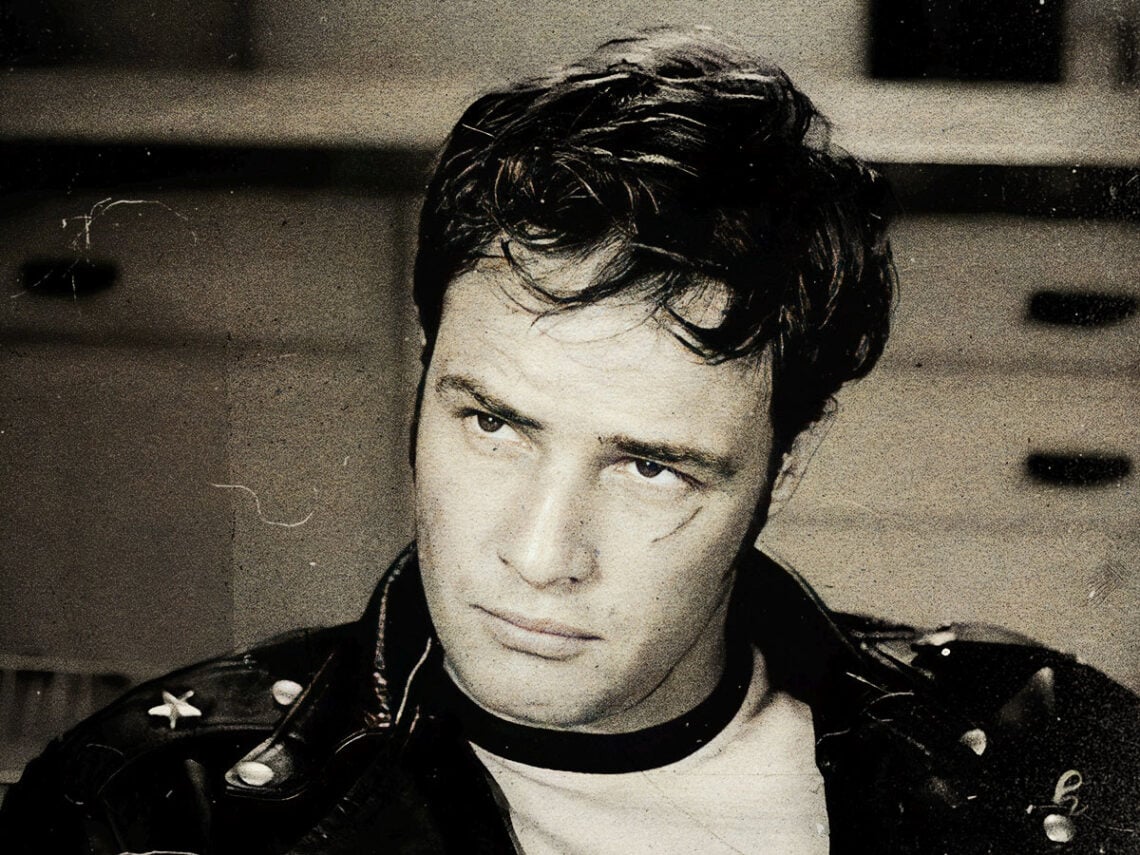
Truman Capote’s mesmerising 1957 profile on Marlon Brando

In 1957, The New Yorker published a profile piece that would go down in history as one of greatest works of journalism of all time that celebrated two titanic cultural figures of the 20th century, the writer of In Cold Blood and Breakfast at Tiffany’s, Truman Capote, and the actor of The Godfather and Apocalypse Now, Marlon Brando.
The two starkly different men, one known for his insight into the recesses of the human experience and the other for its magnificent portrayals, men at Brando’s hotel in Kyoto and the whole ordeal was published under the title ‘The Duke in his Domain’, with Capote offering a rare opportunity into the enigmatic and paradoxical psyche of one of the most famous actors of all time.
Capote, masterful with pen and typewriter as ever, sets the scene with intense and vivid descriptions of Brando and his surroundings. He paints Brando as someone who is at once charismatic and open and yet guarded and self-reflective, and as the writer slowly interrogates the actor, he reveals insecurities and attachments hitherto unknown to the public, a testament to the power of journalism itself.
Brando also explained his approach to acting and his revolutionary commitment to method style and its emphasis on emotive intensity and psychological insight. The piece is a truly important work of writing in that light as it affords Brando’s fans a unique chance to understand his creative process and artistry of an ingenious quality.
As any journalist ought, Capote also managed to delve into Brando’s personal life and relationships whilst maintaining the balance of professional integrity and interpersonal respect. After all, it’s clear from the piece that Brando and Capote shared a mutual admiration for one another, and such a rapport allowed Brando to feel at ease with discussing the pressures of fame and his ongoing search for meaning amid the bright lights that always surrounded him.
Brando was a man, as Capote proves, wrestling with the highs and lows of his reputation while being persistently tied to his past history. The way Capote details the actor also shows the writer’s deep empathic qualities and sheer interest in his subject, as was often detailed in his other works of writing. With sensitivity, Capote turns Brando from a god-like myth to a flawed, contradictory man.
The profile piece in itself transcended the boundaries of such a category of writing and became tied in with the very fabric of cinema history itself, proving again Capote’s talent for his craft. ‘The Duke in his Domain’, then, is an essential piece of 20th-century literature that dives deep into one of the era’s most significant figures.
Depicting Brando against his Japanese setting, Capote signed the piece off, “Rather Buddhalike, too, was his pose, for he was depicted in a squatting position, a serene smile on a face that glistened in the rain and the light of a street lamp. A deity, yes; but, more than that, really, just a young man sitting on a pile of candy.”
Read the full The New Yorker piece here.
