


The true story behind Martin Scorsese’s ‘Killers of the Flower Moon’

A new Martin Scorsese release rarely disappoints, and Killers of the Flower Moon is no different. Featuring incredible performances from the likes of Lily Gladstone, Leonardo DiCaprio, and Robert De Niro, Scorsese’s latest feature has emerged as one of the standout cinematic spectacles of the calendar year. While the directorial vision is undoubtedly a major contributor to the project’s success, the most interesting thing about Killers of the Flower Moon is the vast historical context within which it operates.
Based on David Grann’s eponymous book, the central text of the movie revolves around the Native American community in Osage County and their systematic massacre during the early 20th century. Described by some historians as the ‘Reign of Terror’, members of the Osage tribe were eliminated by white Americans because they were interested in the extremely valuable land rights that were controlled by the Osage.
During a conversation with the BFI, Scorsese said: “The more I got into it, the more I became fascinated by the stories of the Texas Rangers and, primarily, then, the culture of the Osage Nation, and I decided to try to pursue it. And Eric Roth and I got together; I think it was January 2017. It was the first day that Trump was in office, and he did all these executive orders. We were sitting there watching, and then we were working.”
Initially, the Osage’s property rights were heavily undermined by the US Congress because they required all Osage assets to be supervised by white “guardians”. In order to gain access to the oil rights associated with Osage land, white men frequently married Osage women and exploited the loosely structured inheritance laws. Some took these pursuits of capital to their logical conclusion, resulting in the deaths of many Osage tribe members.
Scorsese’s film places its central focus on the sinister activities of William King Hale, brilliantly portrayed by De Niro. A notorious crime boss who gained a reputation for contract killings targeted at the Osage community, Hale made inroads with tribe members while using all kinds of exploitative practices to increase his blood money fortune. However, his unfettered crime spree soon garnered the attention of investigative agencies, including the predecessor of the FBI, as the brutality of the situation came to light.
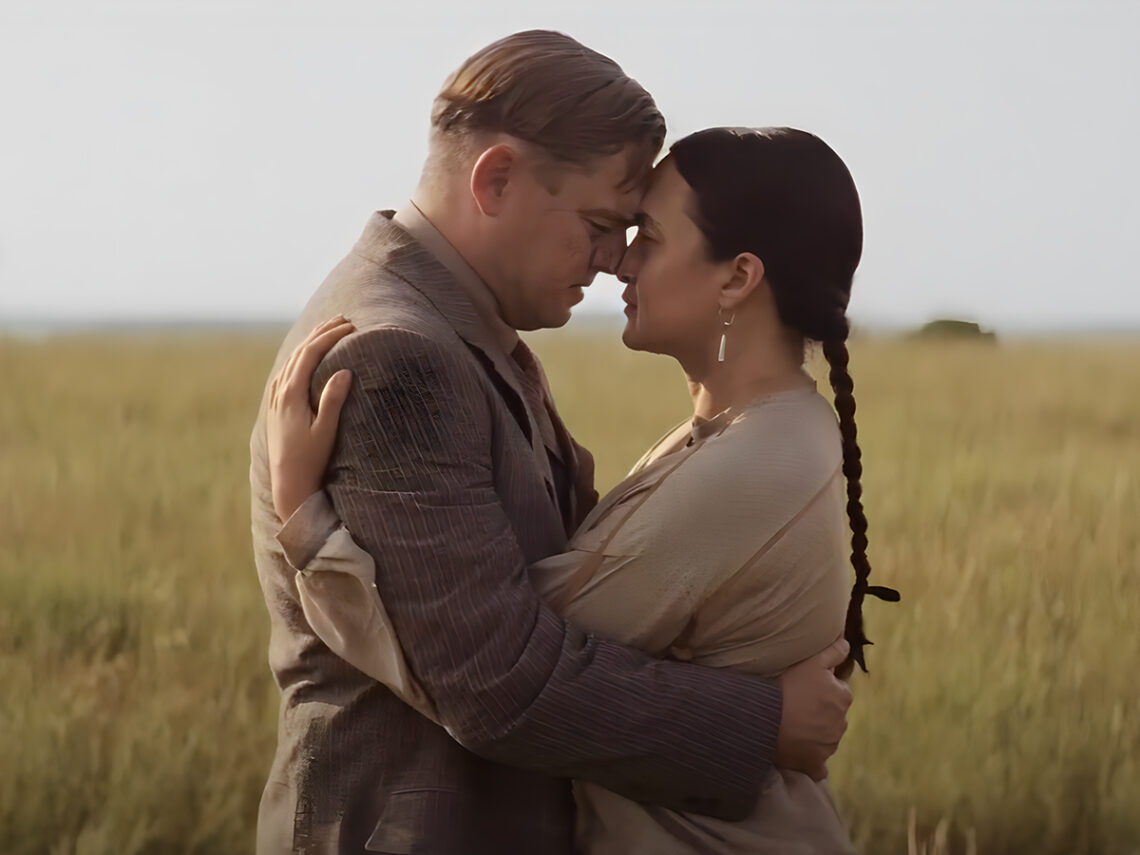
Another major narrative strand in Killers of the Flower Moon is the story of Hale’s nephew Ernest Burkhart (played by Leonardo DiCaprio) and his marriage to Mollie, brought to life by Lily Gladstone’s revelatory rendition. While the movie explores their complicated romance, Burkhart was involved in the unimaginably cruel murders of Mollie’s close and extended family to get his hands on her assets, which were valued at $7million at the time.
Killers of the Flower Moon delves deep into the bloody history of Oklahoma, but it can also be seen as a wider commentary on the plight of the various Native American communities who were marginalised and looted by both the government and other Americans. It’s also slightly different from Scorsese’s other projects since the production process involved learning about different cultural traditions and collective memories of violence.
Scorsese explained: “Mainly, it was hanging out with the Osage, it was really being with them every day. And I became fascinated, just immersed myself in the culture. It was a complicated process, more than usual… It also is a very different mindset. And I felt that we should be very careful not to judge in a way in which we’re culturally foreign. And you had to try to place yourself into that mindset of those people in terms of what they did to the Osage, and what we did to all of the Indigenous peoples everywhere – which, I mean, obviously, is a disaster.”
Although Killers of the Flower Moon is not without its flaws, Scorsese’s latest movie directs the camera back in time toward the unjustifiable sociopolitical exploitations that helped reinforce the increasing inequalities of the future.
Watch the trailer below.
