


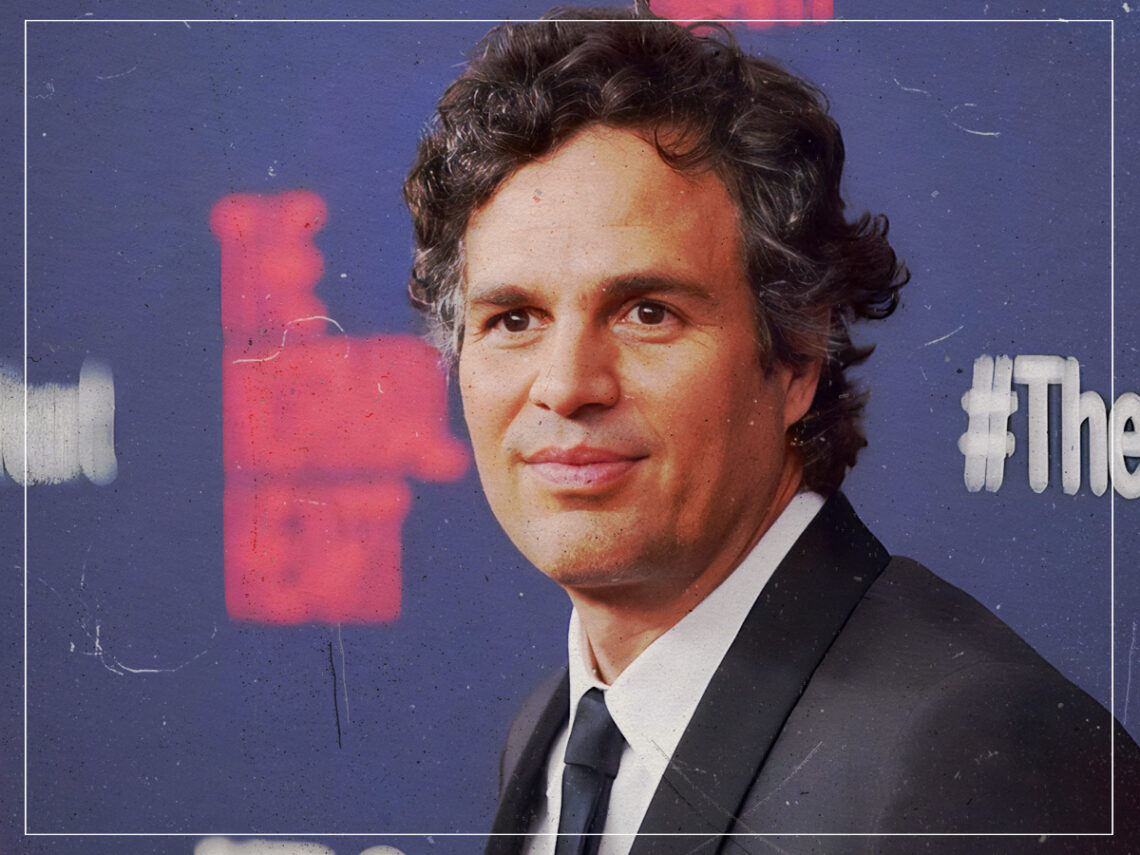
The true “anthem to New York City”, according to Mark Ruffalo

New York is the 20th century’s most essential musical city. Following the Tin Pan Alley tradition of the late 1880s, ‘The Big Apple’s’ dramatic historical plot points can always be anchored by one of its many musical chapters. The rise of Broadway musicals, jazz and swing, girl-group doo-wop, Greenwich folk revivalism, and the disco, punk, and hip hop triple whammy that scored the 1970s secures America’s most populous city as a towering presence in music’s continuing evolution.
No other city boasts such a storied contemporary songbook either. Ever since Duke Ellington’s Orchestra instructed to take “the A’ train to go to Sugar Hill way up in Harlem” on their 1941 jazz standard, New York has inspired various songsmiths, from Frank Sinatra to Jay-Z, to pen a lyrical love letter or a cautionary tale about the city that thrills and terrifies in equal measure.
The period from the late 1960s to the early 1980s may well stand as New York’s creative peak. Andy Warhol’s Factory ensemble provided a grubby riposte to the ‘Summer of Love’s psychedelic fancies through the South Bronx’s hip-hop block parties, CBGB’s punk whirlwind, and the mutant disco that soundtracked the Lower East Side, as spearheaded by ZE Records. And through this dizzying countercultural pace stood one stoic elder statesman at its core with a spiritual permanence.
Invited to California’s KCRW Radio in 2011, Poor Things star Mark Ruffalo was invited to play a handful of much-loved songs. Dusting off cuts by Radiohead, Besnard Lakes, Elliot Smith, and Bon Iver, Ruffalo reached into New York’s early 1970s gutter for the city’s quintessential street poet. “Lou Reed’s ‘Walk on the Wild Side’,” Ruffalo told DJ Liza Richardson, “I am a great lover of New York City. And this is the anthem to New York City, I think.”
He added: “It was a really cool time in New York City’s history. It has such a great, sort of gritty cast of characters. I think it captures a time in New York. It’s a New York I can only imagine. It does capture a certain cultural aspect. It has this kind of innocence in it. It was a New York I wanted to be in, but it somehow passed me by.”
Illustrating the city’s decadent glamour before economic ruin had truly gripped New York toward the latter end of the 1970s, the former Velvet Underground frontman’s Transformer—produced by David Bowie and fellow ‘Spider from Mars’ Mick Ronson—landed in a unique intersection of garage rock and gritty glam decadence that gave voice to the down and outs, junkies, and fringe bohemians that littered the city that never sleeps.
While the record’s ‘Perfect Day’ may stand as Reed’s most famous song, helped by those of a certain age with 1997’s turgid BBC Various Artists rendition, Transformer’s lead single will always be his defining. ‘Walk on the Wild Side’s’ exploration of the various Factory ‘superstars’ is largely remembered for its seductive depiction of the one Candy Darling, the transvestite actress who appeared in many of Warhol’s underground pictures, and inspiring Reed’s earlier ‘Candy Says’ from 1969’s The Velvet Underground. Immortalised as an essential of the city’s countercultural lore, Reed’s ability to imbue his mordant urban reportage with a grimy affection at its heart is a magic quality only New York could have produced.
