


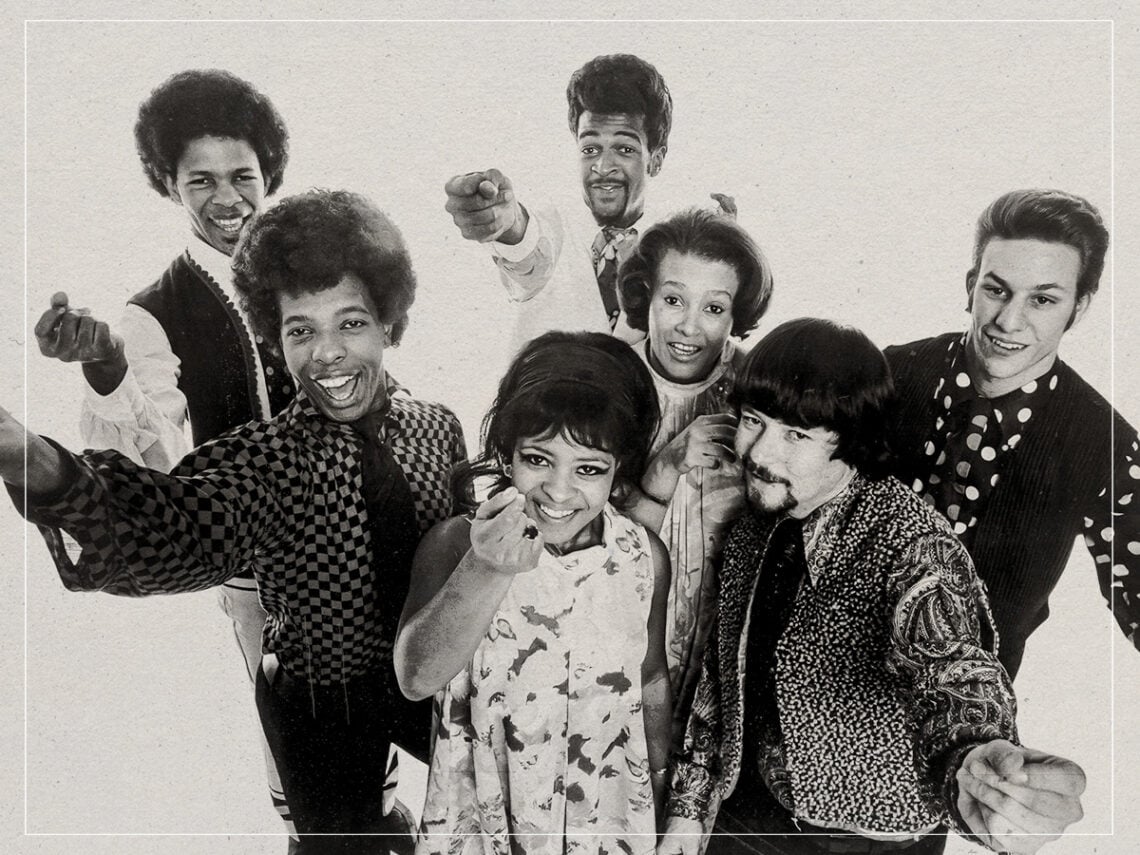
The tragic show that marked the end of Sly and the Family Stone: “Thank you for letting us be ourselves”

Sly Stone was more than just a musician. He was an artist who completely transformed the way that people viewed sound. All of the exciting funk and soul bands that you love, be it Parliament, Funkadelic, or CHIC, would never have found their creative voice were it not for the power of Sly and the Family Stone.
“Thank you for letting us be ourselves,” he proclaimed to the crowd after a killer performance of some of the band’s best songs. This line isn’t just how he signed off a gig or the title of one of his biggest songs; it is the epitome of his career as a whole. His desire to transcend musical boundaries, merging styles of music and creating a band that didn’t adhere to racial or gender stereotypes was one big show of individualism, creating a rock star unlike any other.
When had someone who made funk music ever been on the cover of Rolling Stone? When was an artist who wrote songs that veered on disco considered the perfect choice to headline a rock festival? It was all a part of Sly’s genius, and it led to the creation of one of the greatest musicians to ever take to the stage.
Of course, while Sly Stone enjoyed his success, he also had some trouble as an artist and an individual. Ahmir ‘Questlove’ Thompson recently explored Sly’s life in the new documentary Sly Lives, which covers his career and the pressure that came with his success.
“Even though my experience with Summer of Soul was one of the most magical, transformative moments of my life,” he said when discussing his Oscar-winning documentary, which came before his exploration of Sly, “There’s a fear of winning, because if you’re too successful then you’re singled out […] And being singled out for positive reasons or negative reasons is such a nightmare for most Black people.”
Sly’s life wasn’t just music; there were a number of other contributing factors that led to both his rise and his fall. Drugs, relationships and jaded friendships led to him losing himself in his success, which Questlove says is not only the result of success but also a sense of guilt that often sets in with Black artists.
“As with most Black artists, the guilt of being the chosen one, the guilt of being the winner sort of sets in, and Sly will be kind of the first domino in a long list of people that will self-sabotage a good thing,” he said, “And so that’s what this film explores, like, why do we self-sabotage?”
Sly Stone’s issues led to his band, Sly and the Family Stone, breaking up, and their final shows marked an incredibly depressing end to what was one of the most successful bands of the time. The group had always been celebrated for their unity and exciting playing style, but this dwindled in the face of arguments, separation, drugs, addiction and creative differences to the extent that their final gigs were those which people had no interest in attending.
They took place at Radio City Music Hall, where only a few hundred people turned up to what ended up being a borderline empty venue. A scathing review from the 1975 show highlights just how upset people were at the quality of the gig. It begins by discussing how the venue was too big for the band and highlighting that Sly went on stage nearly an hour late and only played for 45 minutes. It finishes by referencing the fact that the time Sly played was dull and dreary.
“In the not‐toodistant past, Sly was one of the most exciting and significant forces in American pop music. But now he has taken to the stalest of rehashes of his greatest hits, ignoring his most recent work, submerging the communal energies of his band under a silly ego trip and rushing perfunctorily through the music he does play,” said the review, “It would be easy to dismiss Sly out of hand. Except that memories of what he used to be make one more sad than angry.”
