


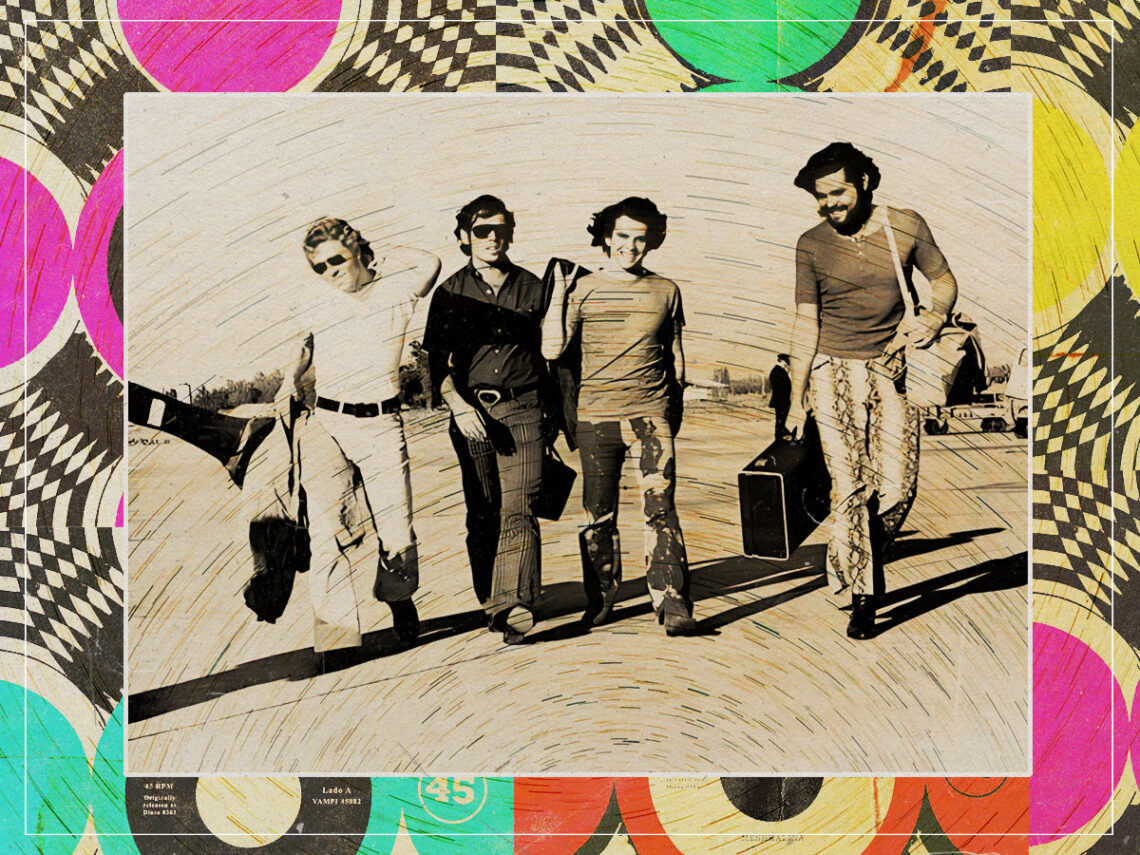
Traffic Sound: exploring the history of Peru’s psychedelic pioneers

Psychedelic rock is seemingly synonymous with the American counter-cultural movement of the 1960s. Groups like The Byrds, The Jimi Hendrix Experience and Jefferson Airplane were embraced by the anti-war hippies of the USA, and while there were notable contributions to the genre from UK bands like Cream, Soft Machine or Arthur Brown, the popular history of the style seems to revolve around the American West Coast.
However, if you head south to the rainforests of Peru, you can find unmatched psych grooves from the criminally underrated Traffic Sound. Forming in 1967, during the summer of love, the band quickly rose to the top of Peru’s psychedelic scene. Mastering their craft at Lima’s premier rock venue, The Tiffany, Traffic Sound soon set about recording their first record, the incredible A Bailar Go Go.
Their stunning debut features tributes to the US psych scene that Traffic Sound was inspired by, with the group covering the likes of Jimi Hendrix, The Doors and Iron Butterfly, among others. Their original compositions, however, made the record stand out among the sea of late 1960s psychedelic records. While their deep appreciation for popular rock bands of the time is evident, Traffic Sound managed to infuse that recognisable sound with more interesting influences by incorporating garage and heavy rock influences.
As their discography progressed, Traffic Sound only became more entrancing. On Virgin, the 1969 follow-up to their debut, the group created their definitive track. Not only is ‘Meshkalina’ perhaps the finest musical export to ever come from Peru, but it is one of the greatest tracks of the late 1960s psychedelic rock scene. Referencing the Incan history of Peru, ‘Meshkalina’ has an infectious funk energy to it, emphasised by its rough and ready production.
Entering a new decade, Traffic Sound continued to record great material, moving more towards early progressive rock on their eponymous third album. Traffic Sound also saw the group incorporate more obvious influences of traditional Andean folk music into their psych roots. Andean music has roots going back hundreds of years in Peru, going back to the Incan Empire and pre-colonisation. Characterised by chanting and distinctive melodies, the style lends itself well to Traffic Sound, who are just as at home celebrating their national heritage as they pay homage to US rock bands.
Following the release of their third record, Traffic Sound embarked on their first tour of South America. The group were in demand within scenes in Brazil and Argentina but never seemed to have a reach outside Latin America. The band began to fall apart after the tour, recording one more album, Lux, which was not released until 1996 due to lost master tapes.
For years, Traffic Sound remained Peru’s best-kept secret, not receiving much attention outside of South America at all. Though the band have reformed at various points since the 1970s, they still remain fairly obscure within Anglo-centric society. In recent years, Traffic Sound have witnessed something of a resurgence, with their records being repressed by the likes of Munster Records and Vampi Soul in Spain, which gives a certain level of hope that perhaps the English-speaking world will soon wake up to the funky psychedelic brilliance of Traffic Sound.
