


How a traffic jam helped birth Richie Havens’ Woodstock classic ‘Freedom’

Getting into the Woodstock Music and Arts Festival was a slog. The town of Bethel, New York, was overrun by the hippie movement at its final push. The summer of love had ended two years prior, but more Americans than ever were looking to turn on, tune in, and drop out, if only for a weekend of music. Festival organisers expected around 50,000 attendees; the final number was closer to 500,000.
The large influx of people caused massive traffic jams and blockages on the small roads approaching Max Yagur’s dairy farm. Most concert-goers simply abandoned their cars along the side of the road, walking the remaining miles to get to the festival grounds. This jam was a logistical nightmare for organisers, who had to resort to flying in acts via helicopter to get them on the grounds.
Woodstock became notorious for several reasons: rain, legendary performances, historically terrible performances, and brown acid were among the most notable. But the long delays, initially because of traffic jams and subsequently because of weather conditions, pushed the original schedule well beyond its initial limits. It was so bad that the crew begged John Sebastian to take the stage and perform a set while some of the other acts were getting flown in. Sebastian wasn’t on the bill and was only intending to go to the festival as an attendee, but was eventually persuaded to help pad out the schedule.
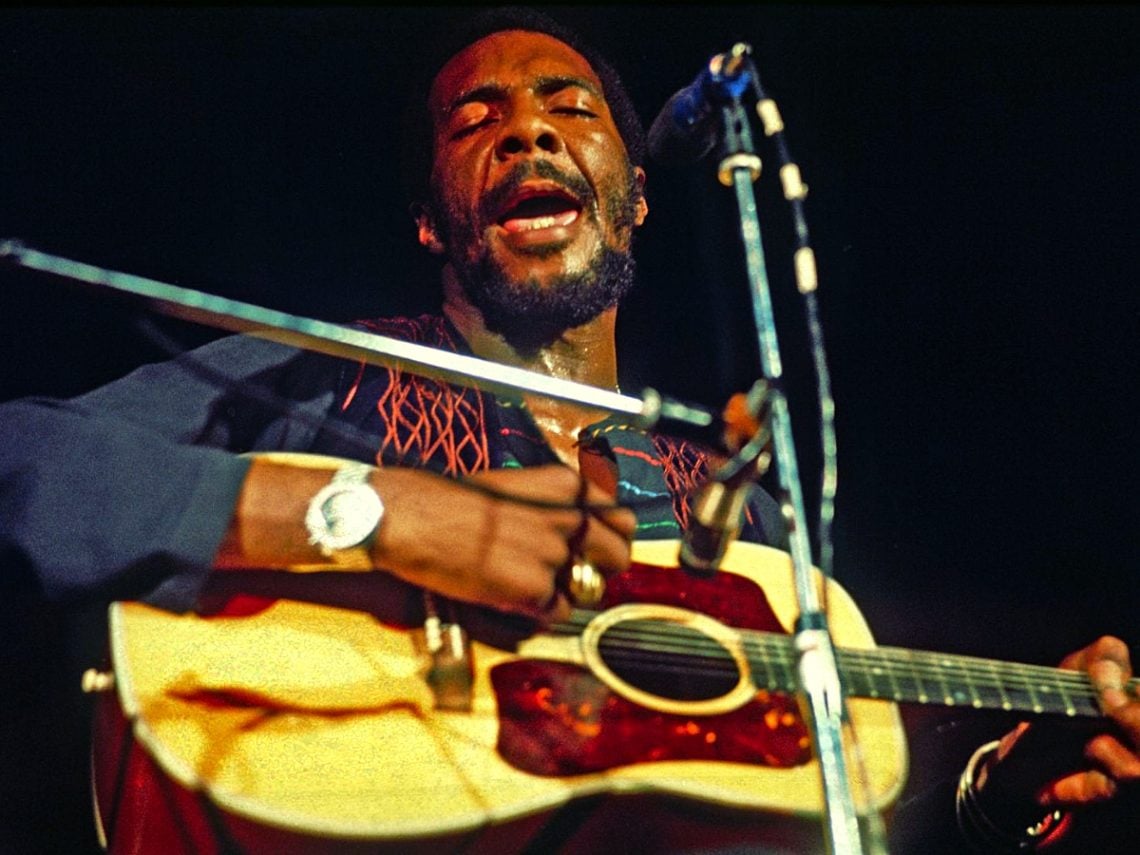
A similar issue befell the festival’s opening act, Richie Havens. Los Angeles rock band Sweetwater was initially supposed to be the festival’s first act, but the police pulled them over before arriving. Most of the other acts set to perform on the first day had yet to arrive, so Havens was pushed up. Havens only had a small repertoire of songs, a few of which were covers (most notably a version of The Beatles’ ‘With a Little Help From My Friends’, which Joe Cocker would perform two days later).
“I’d already played every song I knew, and I was stalling, asking for more guitar and mic, trying to think of something else to play,” Havens would later recount, “And then it just came to me … The establishment was foolish enough to give us all this freedom, and we used it in every way we could.”
Instead of pulling out another contemporary cover, Havens began riffing on the old American spiritual ‘Motherless Child’. A civil rights anthem, ‘Motherless Child’, was a powerful and moving piece on its own, but Havens’ need to stall for time led him to improvise new lyrics. Those lyrics constituted a new song, ‘Freedom’, that was neither a cover nor a full original, but rather a middle point between the past and the future. Havens spent five minutes riffing on the song, got up in media res, and left a lasting legacy. It was all thanks to a traffic jam.
Check out Havens’ performance of ‘Freedom’ down below.
