


“I like the way it tastes and smells”: Tracing Paul Thomas Anderson’s deep connection to San Fernando Valley

You might grow up with bold ambitions to become a filmmaker, but it’s not going to be easy if you live in the middle of nowhere and have absolutely no connections, and then, there are those who are raised right near Hollywood in a climate of not-so-distant fame, scandal, and endless opportunities.
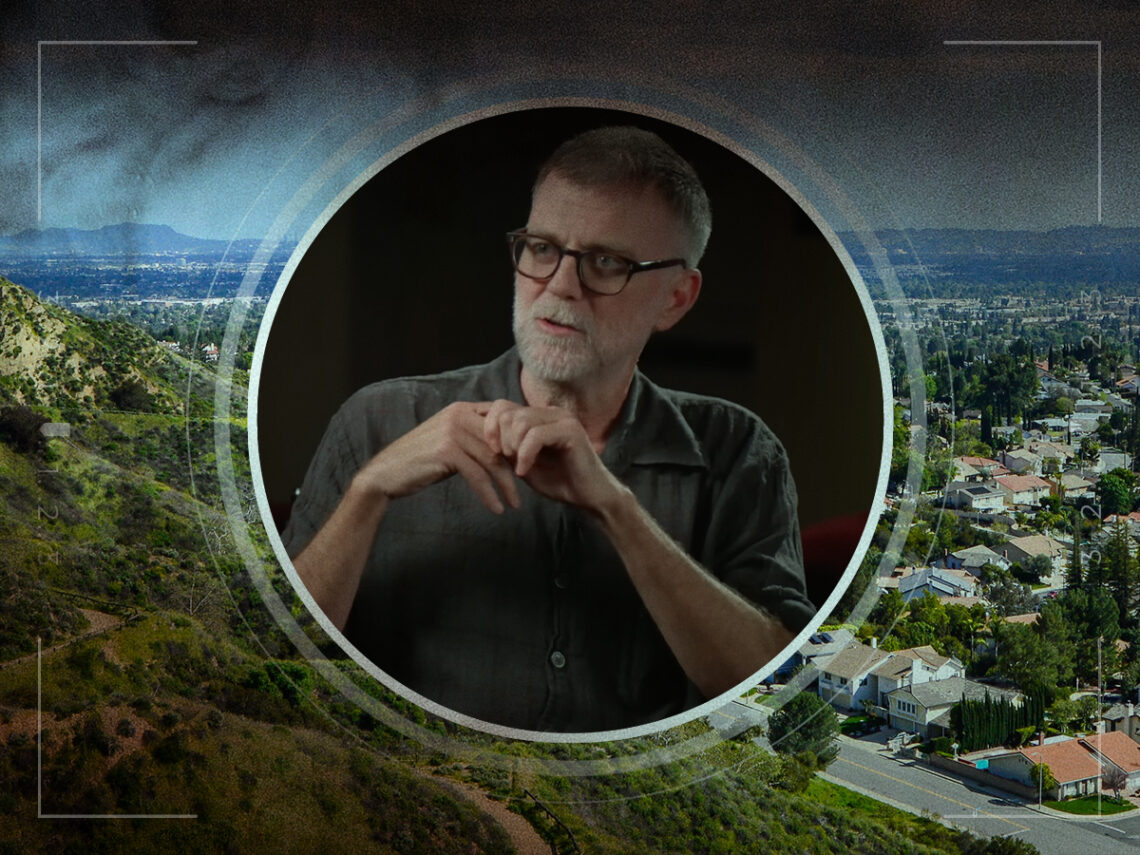
Paul Thomas Anderson, who recently won his first ‘Best Director’ Oscar for One Battle After Another, was born in the San Fernando Valley in Los Angeles, specifically Studio City, which is just north of Hollywood, thus, it was only a matter of time before he would express an interest in filmmaking, especially since his father, Ernie, worked in the industry.
Born in 1970, his childhood saw him witness the changing face of Tinseltown during the decade, with the New Hollywood movement transforming mainstream American cinema forever, which saw filmmakers become more daring and ambitious, with Hollywood’s legacy as the ultimate dream factory, a place of palm trees and celebrity history, unwavering. Every street echoed with the memory of Old Hollywood, which was shaping into New Hollywood, while the pornographic industry was thriving in Anderson’s hometown, too.
The filmmaker clearly took inspiration from this world, which to many of us seems so foreign; it appears the kind of landscape that only exists in the movies, and yet, for him, it was all he had ever known, and he got to be familiar with the real Hollywood from early on.
The darker side, the less polished streets and the chaos that was buried into the very fabric of so many iconic locations, and in acknowledging the grittier side of the San Fernando Valley, which became well-known in the ‘80s for its reputation as the home of Valley Girls, with their distinctive, inquisitive accents, Anderson has always returned to the area in his work.
“I like the way it looks. I like the way it tastes and smells. I don’t know beyond, I love it. Do I wish I had more range? Yes, I do. I was writing another story. I was deep into it, and I was distracted by the pull of this one, and of course, there’s a moment where you go, ‘Are you really going to make another film in Los Angeles in the ’70s again? Don’t you think you’ve done that?’ Then you ignore that voice, and you swat it away like a fly,” he once said (via Golden State).
Boogie Nights is one of PTA’s greatest San Fernando Valley films, which charts the rise of a pot washer-turned-adult-star during the Golden Age of Pornography. Set in the ‘70s, when Anderson was just a child, the movie hones in on the simultaneous excitement and seediness that defined the ever-evolving Los Angeles Valley during a time of rapid development in the entertainment world. It’s both a warning and a celebration, and he soon came back to the location for Magnolia.
More recently, Licorice Pizza brought Anderson back to ‘70s-era San Fernando, and he cast singer/actor Alana Haim in the leading role, who was similarly raised in the Valley. You really get a sense of what it was like to grow up here when you watch his films, specifically Licorice Pizza, which gives you a really personal view of a location that has clearly shaped the director’s worldview.
He once tried to move away from San Fernando, but it proved too tricky; a short move to Los Feliz saw him pack his bags and get straight back to where he knows he is always destined to reside. “It was a great house, but I said to myself, ‘I’ve gotta get out of here’. I didn’t feel like I belonged. I had to get back to the Valley,” he explained via Entertainment Weekly.
Some of us search our whole lives for that place that we feel suits us best, a place we can confidently call home, but Anderson was lucky enough to be born there, and it seems like he’s not going to move away anytime soon.
