


Why ‘The Running Man’ fired its director a week into shooting: “It was totally screwed up”

From The Shining to IT to The Shawshank Redemption, Stephen King has laid the groundwork for some truly sensational films. Then there’s one of his most overlooked adaptations, a movie you may not even know is based on one of his books: 1987’s The Running Man.
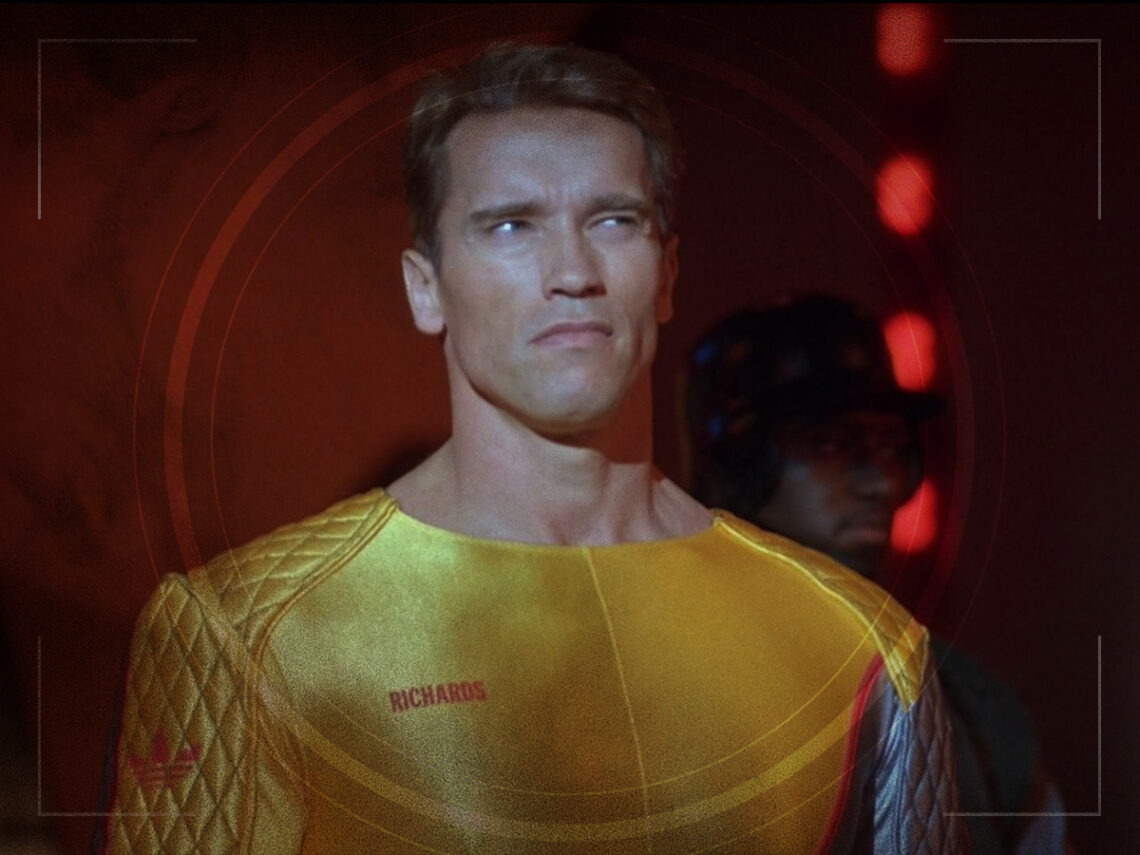
Based on a novel King published under the pseudonym ‘Richard Bachman’ – which came back to bite the filmmakers in the ass down the line – the story is set in a dystopian future where crime and punishment have blended with entertainment. Ben Richards, played by Arnold Schwarzenegger, discovers this firsthand when he is framed for a heinous crime. He is forced to partake in a wildly popular TV show, where criminal ‘contestants’ must go on the run and evade being hunted down and killed in front of an audience of bloodthirsty viewers.
The initial team behind the movie consisted of some fairly heavy hitters. Steven E de Souza, who would go on to write 48 Hrs and Commando before finally scripting Die Hard, wrote the script. Tim Zinneman, an assistant director on such films as The Great White Hope and Bullitt, produced the film. And then there was Andrew Davis, the original director. He had sounded good on paper, but his hiring became an absolute disaster.
Before and after The Running Man, Davis demonstrated he was quite adept at making an effective action film. His most recognisable projects include Under Siege, Code of Silence, and The Fugitive, with the latter earning Davis a ‘Best Director’ Oscar nomination. In 1987, he was already labelled as the next major action star, and this was his chance to cement it. Yet it was not much longer before, as de Souza pointed out, cracks began to show.
“Andy said, ‘Listen, I have a great idea. At the end of the movie, when they break into the studio, they’re cornered. They’re trapped. Then Arnold reaches into his pocket and takes out one of the exploding hockey pucks, throws it and kills the guards,’” he recalled. This didn’t sit well with the writer, who thought that Richards would look stupid for not using the weapon earlier. Davis wasn’t having it.
“Then he’s behind schedule several days,” de Souza continued. “He shot and improvised that scene and had Arnold pocket one of the hockey pucks.”
This combination of insubordination and lateness sealed Davis’ fate. He was fired from the movie after just one week in charge, leaving the production in desperate limbo. Fortunately, he might get a little help from an unlikely source – actor Paul Michael Glaser, better known as having played Starsky in the television programme Starsky & Hutch, was brought in to save the ship? Did he have success? Kind of. The Running Man was a moderate success, but, in the words of de Souza, “It was totally screwed up by hiring a first-time director and not giving him enough time to prepare.”
It appears Edgar Wright’s job was easier when he began remaking the film in 2025. While the world of movies holds its breath to critique that effort, it is intriguing to consider how challenging it was to execute the original attempt.
