


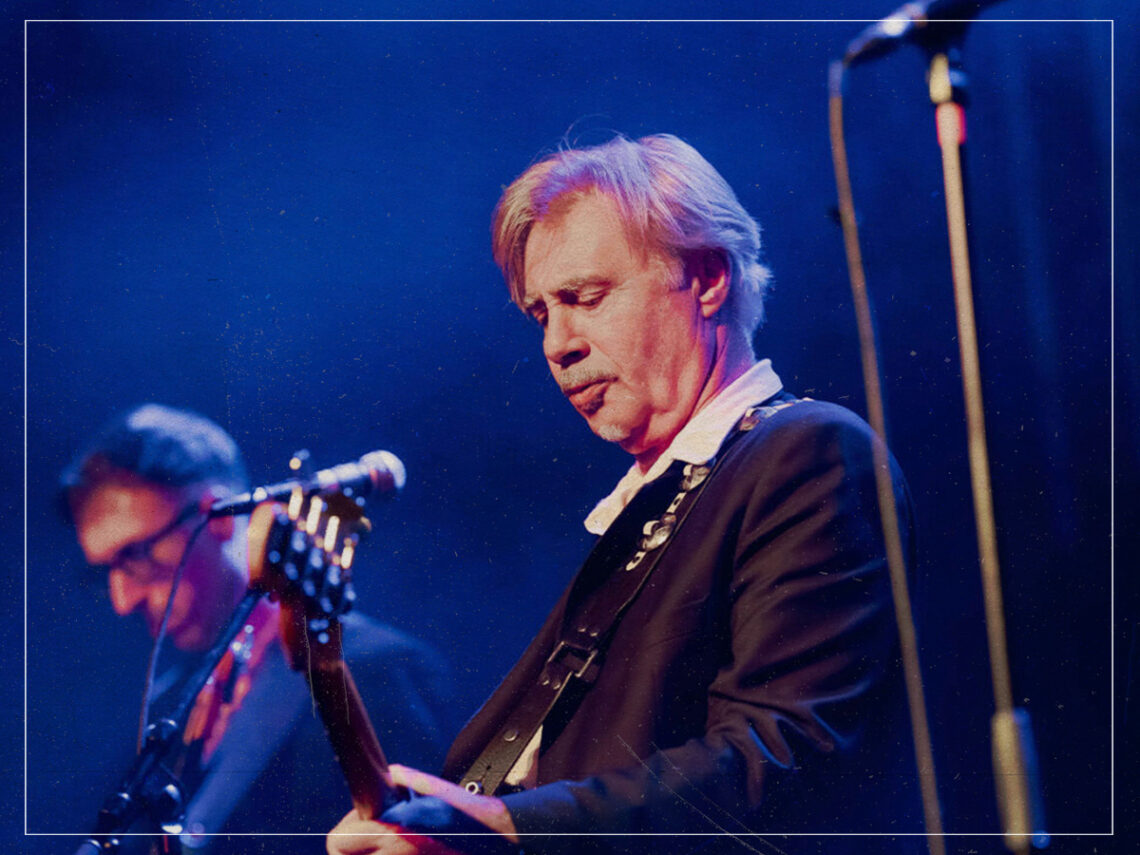
“Too young to be a mod”: Glen Matlock’s favourite bands growing up

It’s interesting how, when new genres of music emerge, their origins are usually clear. However, punk is an exception. This movement arose from more than just musical preferences; it was fueled by a love of certain styles, a disdain for others, and a distinct ideology and attitude towards the world. These elements collectively shaped what eventually became one of the most important genres in the UK.
The haphazard nature that led to the birth of punk means it’s tricky to guess what music people were into before becoming punk artists. There was a lot of exciting music being made; for instance, The Rolling Stones and David Bowie were at their peak at the time; however, many punk artists couldn’t associate with that kind of music because of how far it seemed from the real world.
Iggy Pop was a fairly common denominator for a lot of artists who ended up making punk music. He was one of the pioneers of the pub rock scene, and his noisy style and confrontational stage presence were a big inspiration for a lot of people. Roxy Music also played a big part in forming people’s tastes. Other than that, though, the taste of many people discovering music at the same time varied massively.
One of the initial band members of punk pioneers Sex Pistols, Glen Matlock, had a varied taste, and it was reflective of many people at the time. Some of the high points of different musical movements had passed and were slowly going out of fashion with very little in the way to replace them. Matlock found himself too old to jump on the back of movements, and therefore, his musical taste was scrambling, trying to find form in a formless scene.
“The music I was into when I was a kid was a pile of old rock’n’roll ‘78s from my Uncle – like Little Richard, Jerry Lee Lewis, some raunchy stuff that sunk in at an early age,” he said, “And then a couple of years later it was the beat boom, the Kinks, Small Faces and Yardbirds, and that was what really sunk in, that mad over-the-top guitar sound thundering out of the radio really got me.”
Matlock then reflects on the mod scene, “Everything seemed to revolve around the Small Faces, the modish kind of thing. I had my moments, but I was too young to be a mod – I dabbled with that kind of look, I suppose,” he said. “To me, the mods were very much a sixties thing.”
Punk was a perfect moment in time. It required people to have a mix of musical influences and to be generally fed up with the current government and music scene to take off in the way it did. Those making music had to be relatively lost; punk was their shining light home.
