


How Tom Hanks found the iconic voice for Forrest Gump

Tom Hanks has produced several iconic performances over the course of a highly prominent career. Hanks has worked with truly skilled filmmakers such as Jonathan Demme, Steven Spielberg and Robert Zemeckis, who have urged him to deliver his best acting work in unforgettable gems like Saving Private Ryan and Forrest Gump.
In recent years, modern audiences have failed to see the positive qualities in the 1994 film, while other critics have maintained Forrest Gump is a troubled but charming triumph. One of the most well-known American comedies of the last century, Forrest Gump is still an indispensable part of popular culture, but its legacy is changing.
Multiple critical re-evaluations have insisted that the film indulges in an espousal of conservative politics because it follows the heroics of a white man who fails to understand the volatility of American racism or the Vietnam War. These retrospective attacks on Forrest Gump have angered many fans, but they do introduce new perspectives about a revered film.
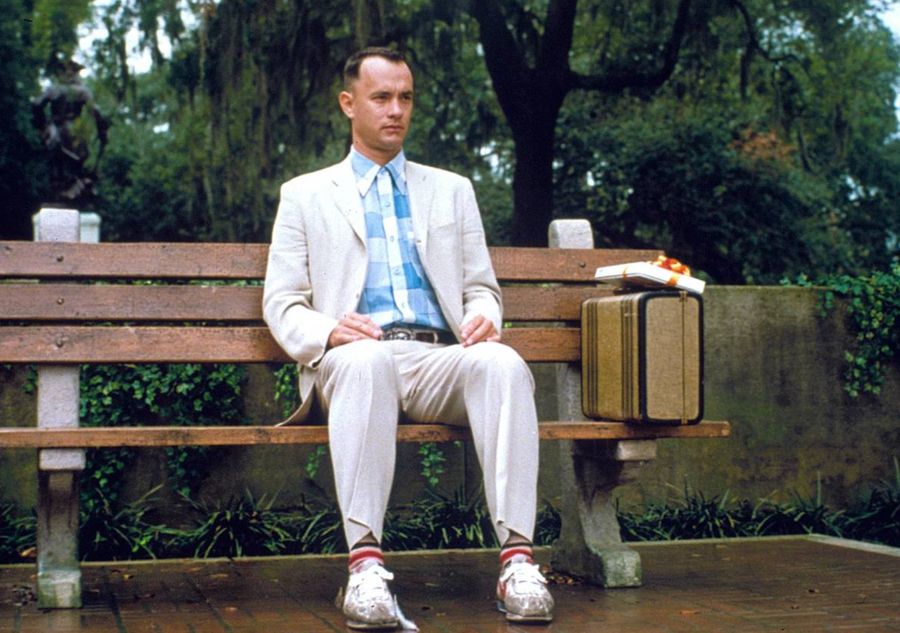
Although the perceived politics of Forrest Gump might not be relevant anymore, Hanks’ performance as the titular character is one of the central parts of the film’s extensive legacy. His brilliant portrayal of Gump, an unintelligent but well-meaning man, has resonated with audiences all over the world.
One of the most iconic elements of Hanks’ portrayal is the characteristic accent of Forrest. Interestingly, Hanks actually developed it while working with Michael Connor Humphreys – the actor who played a younger version of Forrest. Although Zemeckis wanted Hanks to coach Humphreys’ accent out of him, it worked out differently.
During an appearance on The Graham Norton Show, Hanks revealed: “Somewhere I have cassettes, hours and hours of me just making chit chat with a very young Michael Conner Humphreys… He was 7, 8 years old. He was a young man, and that was the vernacular that we spoke in, and that was priceless.”
While working with Humphreys, Hanks realised that removing the Mississippi drawl from Humphreys’ speech was impossible. That’s why he decided to copy Humphreys’ mannerisms instead, going against the initial directions of Zemeckis. Thankfully, Hanks’ instincts were right because Forrest’s unique speech transformed him into an iconic character.
