


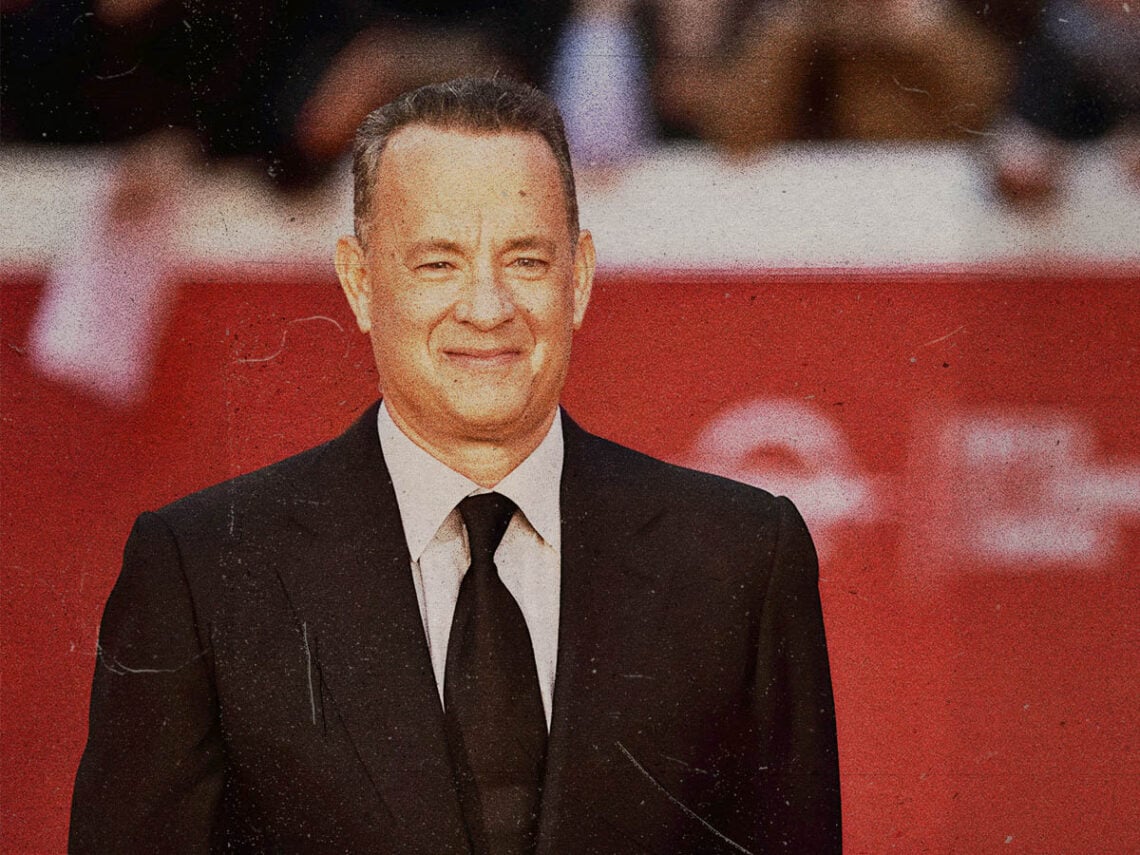
Tom Hanks admits to hating some of his own movies

Since his screen debut in 1980, Tom Hanks has been known for starring in some of the most acclaimed films of his generation. However, not every movie that he appears on the casting list for is necessarily one he is proud of.
In a recent interview with The New Yorker, Hanks talked about not being in love with the final products behind his hard work, saying, “Let’s admit this: We all have seen movies that we hate. I have been in some movies that I hate”. Granted, Hanks did admit to knowing that what he thinks is terrible is completely up to personal taste.
As he elaborates: “Someone is going to say, ‘I hated it.’ Other people can say, ‘I think it’s brilliant.’ Somewhere in between the two is what the movie actually is”. This comes after Hanks has released his book on film entitled Making of Another Motion Picture Masterpiece.
Hanks also likened the process of creating a movie to five points in a Rubicon, explaining, “The first Rubicon you cross is saying yes to the film. … You are going to be in that movie. The second Rubicon is when you actually see the movie that you made”.
Though both parts Hanks outlined had to do with the production behind the film, he also explained the mechanics behind the final points being the commercial performance of the film, which often makes or breaks a career. While the commercial performance matters at the time, Hanks also explained the enduring power of films over time as the main aspect people strive for.
To illustrate the concept, Hanks pointed to films like It’s a Wonderful Life and his own film That Thing You Do, going on to say, ” It didn’t do great business. It hung around for a while, was viewed as being some sort of odd, kinda quasi-ripoff of nine other different movies. Now the same exact publications that dismissed it in their initial review called it ‘Tom Hanks’ cult classic”.
Despite his dissection of the film process, Hanks did go on to say that he isn’t the biggest fan of revisiting his filmography after shooting them, recalling, “it’s not because, at the moment, I chose not to — it’s because, after it was done, I realised I didn’t go far enough. I didn’t go to the place that I could have gone”.

Never Miss A Scene
The Far Out Film Newsletter
All the latest film news from the independent voice of culture.
Straight to your inbox.