


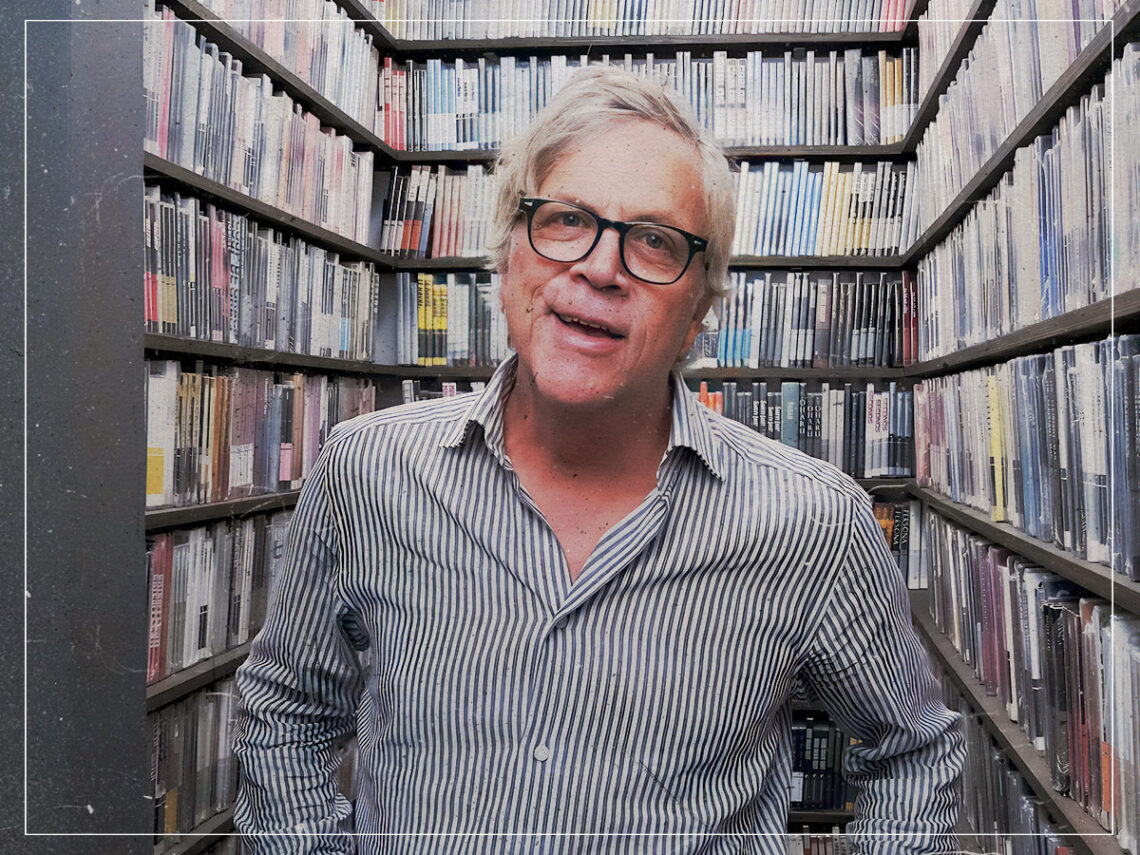
Todd Haynes outlines the kind of movies that make him feel “nothing”

Since the late 1980s, Todd Haynes has been pushing cinematic boundaries, both through his thematic content and formal techniques. Beginning his career with a short film that used Barbies as actors – Superstar: The Karen Carpenter Story – Haynes established himself as an unconventional force in the film industry.
Haynes received widespread attention for his 1995 drama Safe, starring Julianne Moore, which follows a suburban housewife as she develops a mysterious illness which turns out to be multiple chemical sensitivity. Widely heralded, the movie remains one of Haynes’ greatest works, although he soon released more cinematic genius with the formally unconventional Velvet Goldmine.
Throughout the 21st century, Haynes has continued to release acclaimed films, from the Bob Dylan biopic I’m Not There, featuring several different actors playing the folk icon, including Cate Blanchett and Heath Ledger, to the LGBTQ+ romance Carol.
Haynes’ work is often associated with the New Queer Cinema movement, especially films such as his feature debut, Poison. The filmmaker typically explores marginalised characters or subversive stories, using cinematic techniques that challenge the mainstream. While Haynes works with Hollywood actors and remains a lauded figure, his movies can barely be described as typical Hollywood fodder.
For Haynes, Hollywood spectacles do “nothing” for him, leaving him feeling empty inside. To him, these types of movies are the antithesis of cinema. Thus, he strives to make films that are transgressive and challenging, forcing the viewer to question what they are watching.
In a conversation with Bomb Magazine, Haynes explained that while making Safe, he felt his “own frustration with the volume and aggressivity of current Hollywood film practice, where each film has to out-shriek, out-pace the next”. The filmmaker revealed that the overuse of “histrionics and technological gimmickry and assault” common in Hollywood cinema, “one-uping the next, again and again,” makes him feel “absolutely numb”.
Citing the reason being that these films “assume everything”, Haynes then discussed his love for the Belgian experimental filmmaker Chantal Akerman, known for movies such as Jeanne Dielman, 23 quai du Commerce, 1080 Bruxelles and Je Tu Il Elle. Born in 1950, Akerman was a significant pioneer of avant-garde and slow cinema, prioritising feminist and LGBTQ+ themes in her work.
Akerman’s most profound work, Jeanne Dielman, 23 quai du Commerce, 1080 Bruxelles, clocks in at just over three hours and focuses on Delphine Seyrig’s lonely housewife, who becomes a prostitute. However, much of the film features long takes of Seyrig’s titular character peeling potatoes, washing dishes and completing other mundane household chores. The length of the shots – Akerman makes us witness Jeanne’s tedious activities in real-time – makes for a powerful study on gender.
Haynes explained, “A Chantal Akerman film is a real inspiration because it’s so restrained and resistant. What you see in it in real-time is what every other movie would cut out. But it creates a suspense and curiosity, and a huge role for the viewer in the telling.”
