


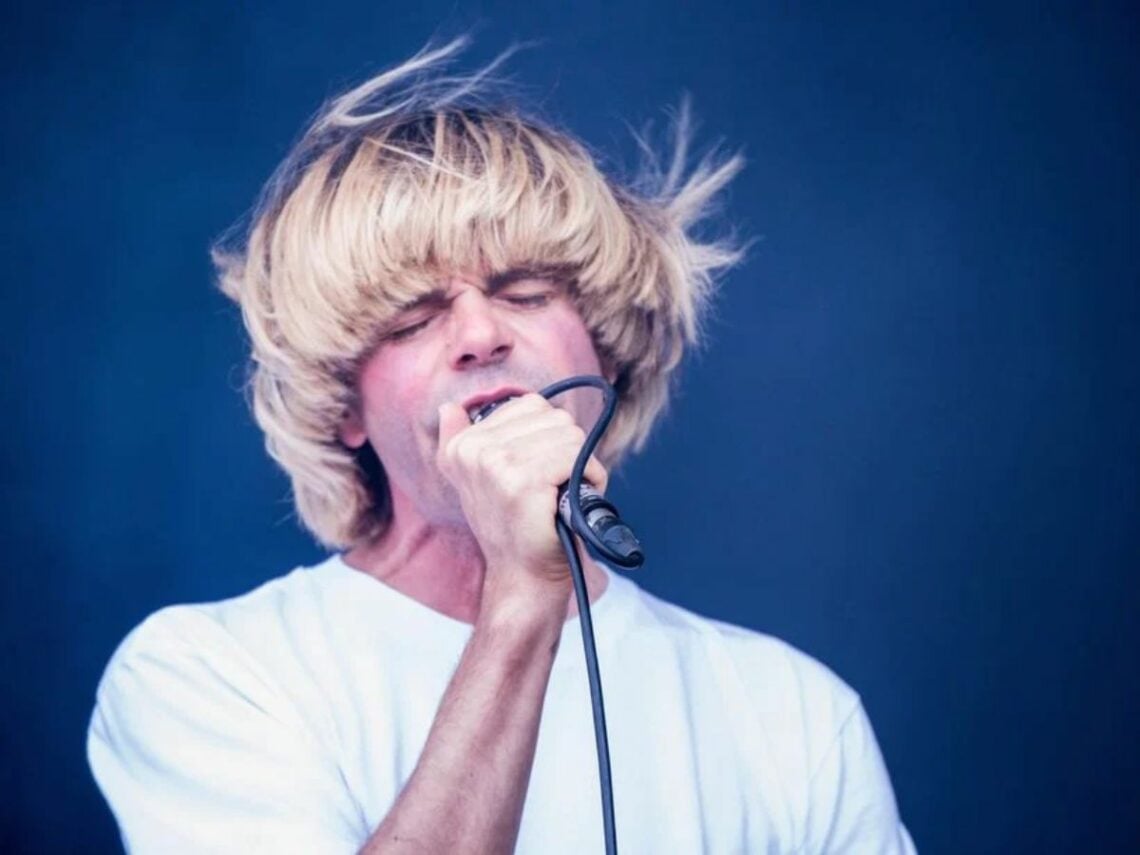
Tim Burgess’ favourite Bob Marley song

Across five different decades, Tim Burgess has made a career out of smashing different genres together. As the frontman for psychedelic dance kings The Charlatans, Burgess was at the forefront of bringing dance music into the world of indie rock. But Burgess’ eclectic tastes have caused him to bring together some wildly varying genres, with his love for dub and reggae styles especially shining through in his solo work.
From his most recent album, 2022’s Typical Music, all the way back to his work with The Charlatans, some kind of dub-focused music has crept into his work. In fact, his remix EP Atypical Music, has plenty of the bleary fogginess of dub throughout its brief runtime. Not surprisingly, everything eventually finds its way back to the work of Bob Marley.
For Burgess, his love of the Waiters went hand in hand with his love of punk rock. Burgess was in his early teens when punk went supersonic in Britain, and some of Burgess’ earliest memories came with the punk rock scene. Since reggae was one of the acceptable genres in the punk sphere, it should come as no surprise that Brugess found a love for Marley’s ‘Johnny Was’ from his 1976 album Rastaman Vibration.
“My musical awakening came with punk and there was a kindred spirit between punk and reggae,” Burgess explained to The Vinyl Factory in 2015. “The Clash, Public Image and Stiff Little Fingers all used elements of reggae in their songs and talked in interviews about their love of Lee ‘Scratch’ Perry, Culture and Junior Murvin – Bob gave them the nod with ‘Punky Reggae Party’.”
Marley’s 1977 single ‘Punky Reggae Party’ came as a direct result of The Clash’s cover of Junior Murvin’s ‘Police and Thieves’. Marley saw the same kinship between reggae musicians and punks that Burgess did. Produced by Lee ‘Scratch’ Perry, ‘Punky Reggae Party’ helped solidify the bridge between the two genres.
“I saw SLF in Manchester the day after Bob Marley died,” Burgess added. “They played ‘Johnny Was’, one of Bob’s songs and in the next issues of Sounds and the NME I became aware of the legacy he’d left. He took hard-edged protest songs into the charts and blurred the lines between pop and reggae but he was a punk at heart.”
Check out ‘Johnny Was’ down below.
