


Three movies that wouldn’t exist without ‘Brief Encounter’

The pain of a brief romantic encounter that holds so much potential yet ultimately cannot be fulfilled is a unique sensation. In many ways, it’s even harder than having an unrequited love because you actually get a taste of all of the excitement and the possibilities, only for it to be snatched away from you.
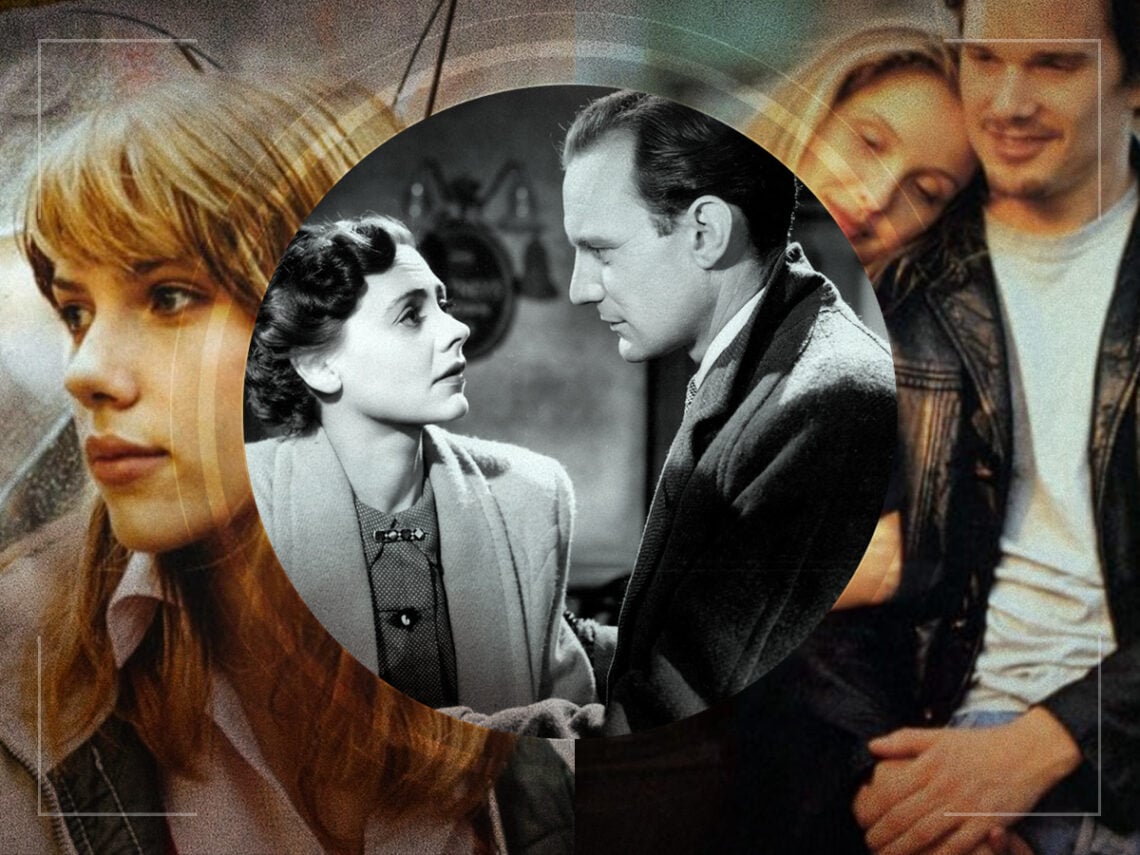
Brief Encounter by David Lean is easily one of the most beautiful, painstakingly romantic films ever made, a melancholic but utterly real exploration of a connection that is tragically short-lived yet life-transforming. We follow separately married Laura and Alec, who meet at a train station weekly to spend time with each other, knowing what they’re doing is wrong, but imminent love pulls the wool over their sensibilities.
Based on Noël Coward’s play, the film doesn’t glorify infidelity but rather explores the nuances of guilt, dissatisfaction that lie beyond the obvious nature of such yearning. It’s heartbreaking all around, and the pair’s final interaction, interrupted by an acquaintance who prevents them from saying a proper goodbye to each other, is one of cinema’s most unforgettable moments.
It’s a gold standard romantic drama, unsurprisingly inspiring many movies in its wake. Yet, there are a few titles that it’s hard to imagine existing at all without the influence of Brief Encounter, all of which have gone on to be incredibly influential in their own right.
Starting with a film released just 15 years after Brief Encounter, Billy Wilder’s The Apartment took influence from Lean’s classic romance, albeit with a much more humorous spin. That’s not to say that Brief Encounter is all doom and gloom; it’s actually quite funny in places. But Wilder’s vehicle certainly won’t have you contemplating lost loves in despair once it’s over. Starring Jack Lemmon and Shirley MacLaine (being charming as ever), the film sees a man rent out his apartment so that his colleagues can conduct their affairs, although this is complicated by his interest in the woman sleeping with his boss.
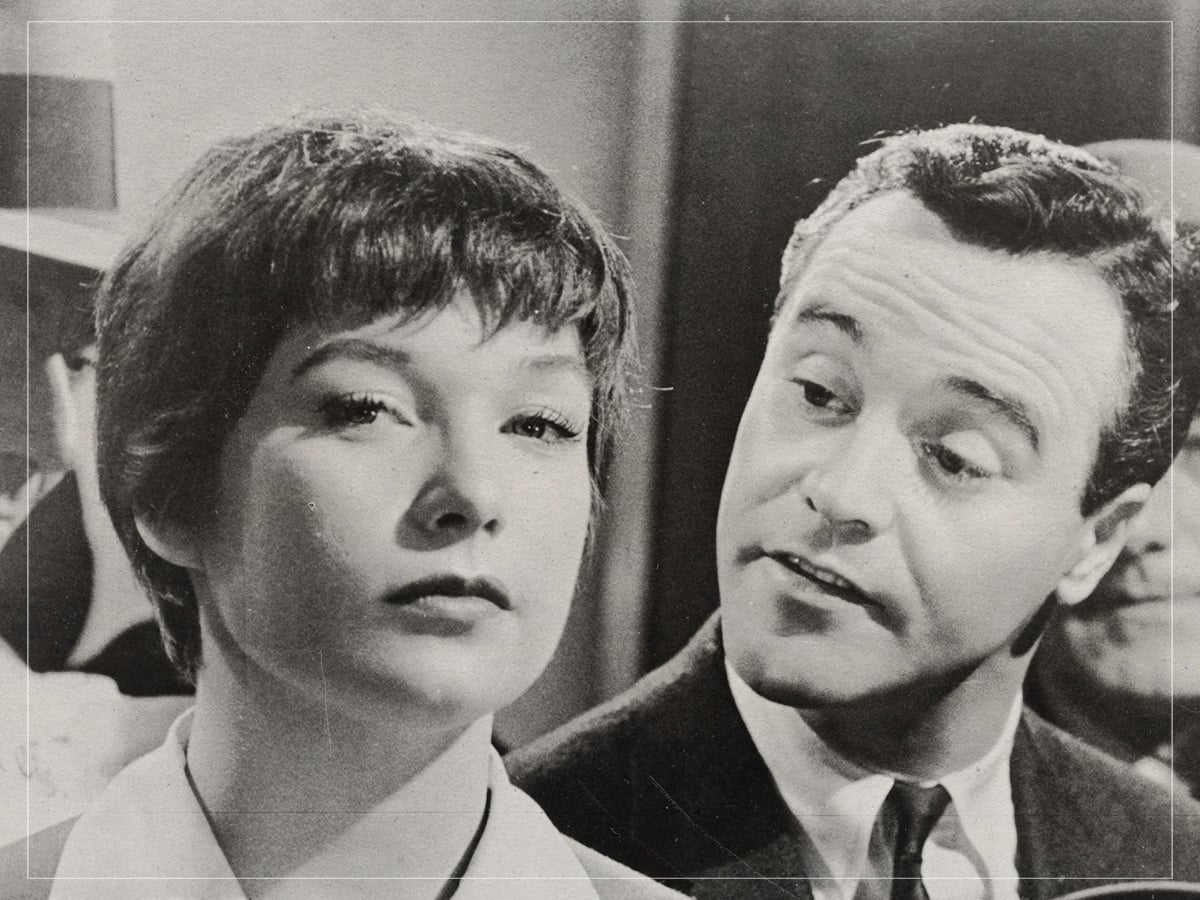
The scene in Brief Encounter where Laura and Alec attempt to consummate their secret relationship in a friend’s house, only for the friend to come home early, inspired the concept of The Apartment, with this comical element earning greater prominence in Wilder’s story. The Apartment is often labelled one of the best comedies of all time, but it would be nothing without the influence of a much more tragic tale.
A few decades later, Richard Linklater used his own experience of a brief encounter to pen Before Sunrise, the first instalment in an incredible trilogy that catches up with the same two characters every nine years. Even though he lived it, it’s inherently indebted to Lean’s film, with Julie Delpy’s Celine and Ethan Hawke’s Jesse meeting on a train (rather than the station refreshment room) and impulsively spending a night exploring Vienna together. They walk and talk in a way that is largely reminiscent of Eric Rohmer, but at its core, there’s a lingering sadness that borrows from the British classic.
“Can the greatest romance of your life last only one night?” the tagline reads, echoing the what-if sentiment anchoring Brief Encounter. Some loves are fleeting, leaving us to wonder the quagmire of whether they were ever meant to be more than just what they were or whether we missed out on something that should’ve been it.
A few years after Before Sunrise breathed pining, melancholy, and serendipitous connections emerged Lost In Translation on pioneering wingtips. Sofia Coppola’s film was directly inspired by Brief Encounter, explaining on the series Life Cinematic, “It was a big inspiration for me when I was writing Lost In Translation. Just the intense emotion between these two characters. Very little is said, and you feel so much in just a gesture or a pause. It’s so emotional, but everything’s under the surface. Maybe that’s very English? But I love that.”
While the love story in Lost In Translation is more abstract (do we want this unlikely pair to belong together?), there’s this intense desire to be understood that runs between them, and this shapes the tone of the film, and like Laura and Alec, they ephemerally find that in each other. And despite being made 80 years ago, Brief Encounter still captivates audiences for deftly and tenderly communicating the feeling of a brief, painful romance like nothing else before it.
