


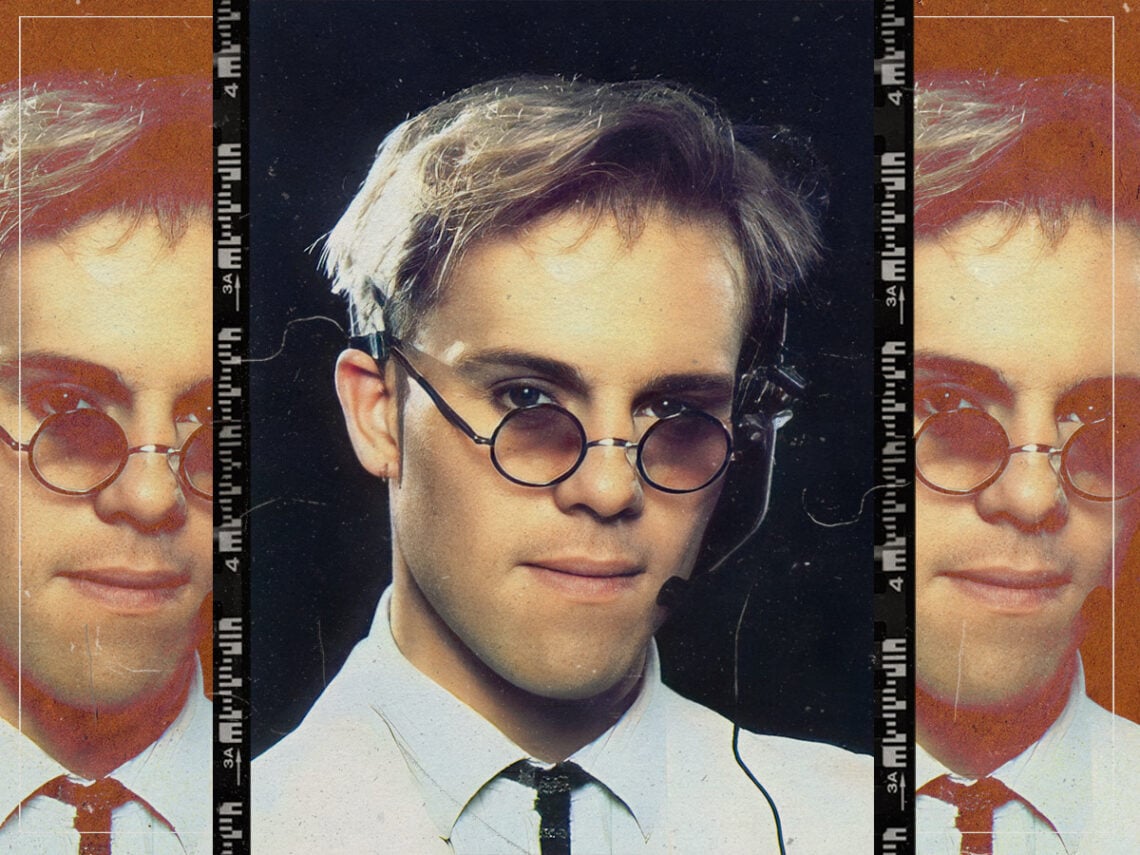
Synth Experiments: Thomas Dolby on his favourite David Bowie album

Thomas Dolby never concerned himself with being the most radio-friendly artist to walk the Earth. Just taking one look at his discography, I noticed that this was a guy known to be a craftsman behind his instrument, wanting to create the kind of sonic architecture he wanted to hear rather than fitting into a specific box as a pop star. Dolby couldn’t get there without a model first, and he was transfixed when he heard David Bowie go beyond traditional recording on Low.
Then again, expecting Bowie to stay in one lane throughout his entire career is foolish on the part of the listener. Bowie was the kind of person who was known to switch up his style within the same time it takes most people to get a haircut, so no amount of pop appeal was going to appeal to him for much longer.
After slowly building up his reputation as a folksy space alien on his first albums, his transition into rock and roll came right when the glam rock revolution started to unfold. Sharing the spotlight with his peers Elton John and Marc Bolan of T. Rex, Bowie was the kind of artist known for taking the camp aspect of music to its extremes with ‘Ziggy Stardust’, playing the alien most of us associate with him today.
It’s not easy to play a heightened character like that forever, and Bowie was on the verge of something much bigger when thinking of his next move. After trying on his best plastic soul look on Young Americans, Bowie decided to free himself from pop songwriting entirely when he moved to Berlin.
Bringing in Brian Eno to help oversee production, Low became one of the most interesting albums of Bowie’s career, including a back half where he is nowhere to be found. He had already said his piece on the first side, and the second side of the project is packed to the brim with instrumentals that veered off into different directions due to his brand new toy: the synthesiser.
For Dolby, it was this side of the album that really turned his head, telling Goldmine, “When he teamed with Eno and went off to the Berlin Wall to make records with primitive synthesisers, I was completely gaga. And Side 2 was all electronic instrumentals. By a rock artist, that was simply unheard of!”
Even though Dolby took his own approach to synthesisers in a bit of a zany direction in his solo career, his time as a session player featured him using the synthesisers in the same textured manner Bowie had. Whether he was playing with George Clinton, Foreigner or Def Leppard, you can hear Dolby serving the song as much as he can by putting as much flash as he can into the production.
Dolby wasn’t just the kind of player who wanted to thank Bowie for the inspiration… he wanted to actually collaborate with him. By the time the 1980s rolled around, he eventually got his wish, being able to collaborate with ‘The Thin White Duke’ while working on his various appearances at Live Aid.
Beyond synthesised rock, Bowie’s work on Low is also the perfect bridge to what we now consider post-rock. Although the word hadn’t been used yet, the chilling ambience on the back half of the album is the same kind of textured noise that would be used in the next few years as bands started to move away from the loud guitars. It was now about creating a sonic landscape, and Dolby knew that he was witnessing a work of genius.
