


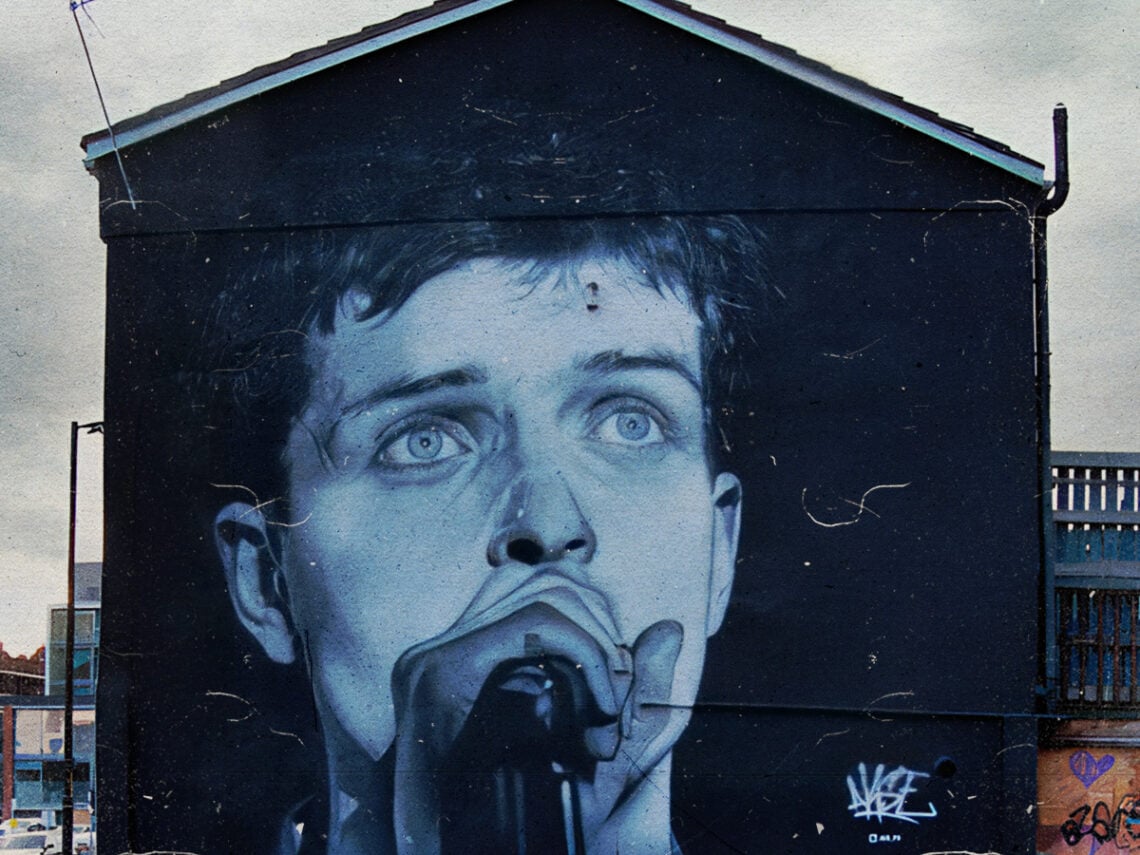
There’s no love for Manchester in the Rock and Roll Hall of Fame

Greater Manchester rightfully likes to boast about its top-shelf rock n’ roll landmarks, from the Hacienda to the Salford Lads Club to the Free Trade Hall, or the little Whalley Range hotel where Phil Lynott’s mum used to work.
Most of the UK’s most revered rock n’ roll bands of the last 40 years cut their teeth here and spent much of their careers yabbering on about it, be they a Smith, a Stone Rose, a Joy Divisoner, or a Gallagher brother, and yet none of ‘em are in the Rock and Rock Hall of Fame.
Traditionally, any complaint piece about a certain artist or group of artists getting the shaft by the US-based Rock Hall has to begin by noting both the intentional and unintentional biases of the institution. For a long time, it was easy to argue that a lot of overlooked bands simply hadn’t “had their moment” yet, as the Hall of Fame’s central rule for eligibility is that a nominee must have released their debut album at least 25 years ago.
Since 25 years ago is now equivalent to saying “any time in the 20th century”, however, all of the sacred cows of the Manchester scene have now been eligible for at least a few years, if not a couple of decades; but the ballots continue to come and go with minimal Mancunian representation.
A large part of the problem is the unavoidable miscalculation of rock relevance caused by the cultural telephone game of the Atlantic divide, such that the way scenes that tower above the culture in Britain often land with a softer thump in the United States, and vice versa. Many of Manchester’s most mythologised groups built their reputations not just on singles and albums, but on context: their hyper-local influences, their class affiliations, their politics; meaningful fashion choices and geographical in-jokes that would fly well over the head of the average American observer.
In the US, The Smiths were a cult band, Joy Division were a cult band, The Stone Roses were a cult band, as were the Buzzcocks, The Fall, the Happy Mondays, all barely on the radar of a generic Rolling Stone subscriber. Even Oasis, who genuinely did become massive in America during the Morning Glory era, never approached the monolithic status they enjoy back home. American album sales and radio metrics often become unspoken tiebreakers on Rock Hall ballots, and in that arena, Manchester’s titans tend to come up too short too often.
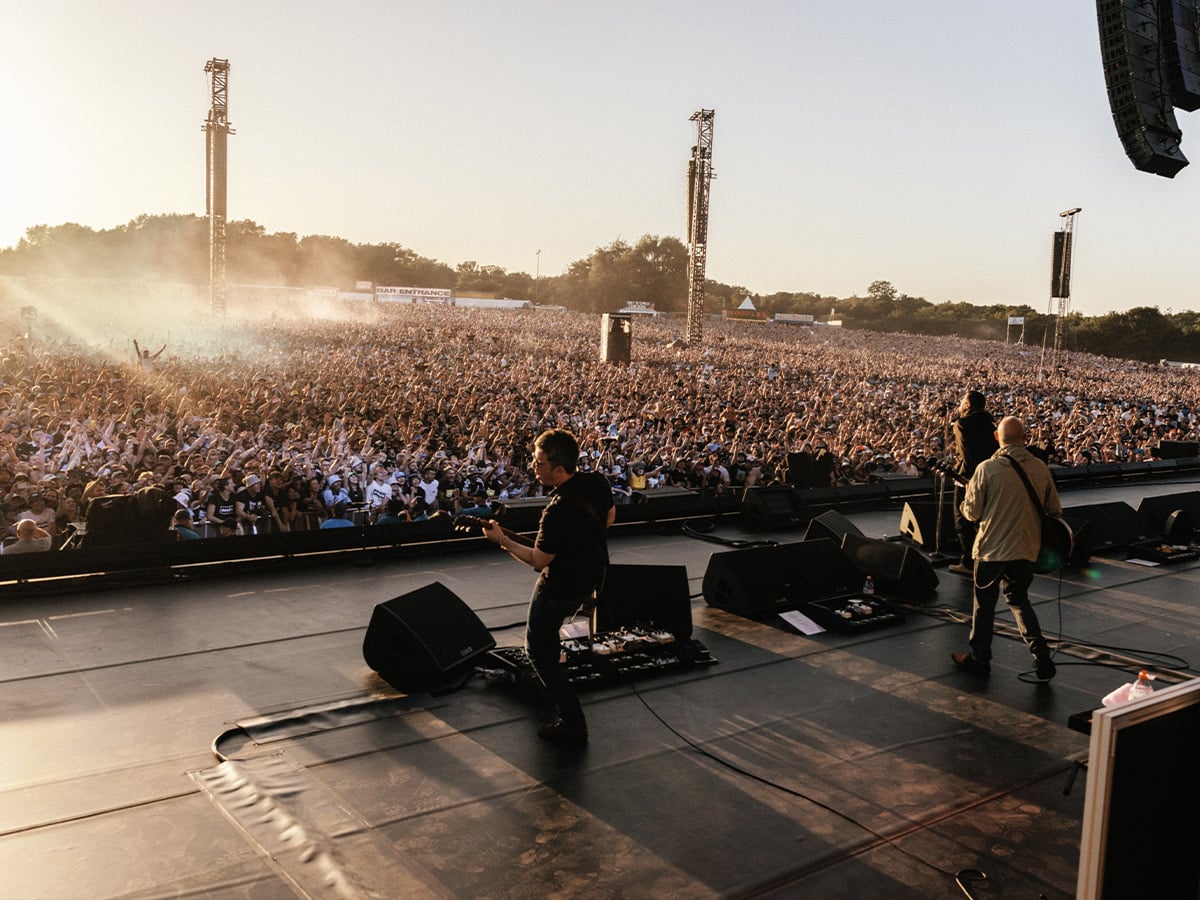
Still, there are hints that things may be shifting. In somewhat of a surprise, Joy Division and New Order, as a unified entity, were nominated for the 2025 Rock Hall class after 20 years of eligibility, and Oasis were nominated after being overlooked five times. Neither wound up earning enough votes to get inducted, but their appearances on the ballot suggest the voting body is beginning to reckon a little more with the Manchester canon as a force of international significance.
Oasis, in particular, may have momentum on their side, as the Stateside swing of their wildly successful 2025 reunion tour introduced the band to a younger American audience that had never seen them at their peak; a Rock Hall nod often follows exactly that kind of renewed goodwill. Joy Division and New Order’s nomination, too, indicates that voters may finally be recognising the group’s profound, long-lasting influence on American alternative music, even if neither band ever translated sales into superstardom across the pond.
Luck may be less kind, however, to The Smiths and The Stone Roses, both of whom face steeper Rock Hall headwinds. The Smiths’ American sales were always modest at best, and the group’s legacy, while seismic in the UK, is still largely defined in the US by a niche but passionate fanbase. Add in the fact that Morrissey’s increasingly inflammatory political comments have alienated many of the progressive-leaning voters within the Hall’s membership, and their chances look weaker with each passing year.
Ian Brown’s own political rants are decidedly less publicised in America, but The Stone Roses’ two studio albums, which peaked at number 86 and 47 in the US, never produced a big enough hit to raise them above the fray in the country’s alt-radio landscape, let alone into the household name status demanded of most inductees of the Gen X era.
Manchester does technically have a presence in the Rock Hall already, but it’s arguably a collection of escapees. The Bee Gees, born on the Isle of Man and raised in Chorlton before emigrating to Australia, aren’t the Manc-iest lot. Graham Nash, another Mancunian by birth, is in the Hall twice, once with The Hollies and once with Crosby, Stills & Nash, but he’s been so thoroughly Californian for so long that he feels only tenuously connected to his hometown’s swaggering musical DNA.
It might not be fair that the greatest acts in rock n’ roll, a type of music beloved around the world, have to be judged through an American-skewed lens for this particular honour. If it makes you feel better, though, Manchester’s own Simply Red were a lot less successful in the States, too, so these biases can also have their benefits.
