


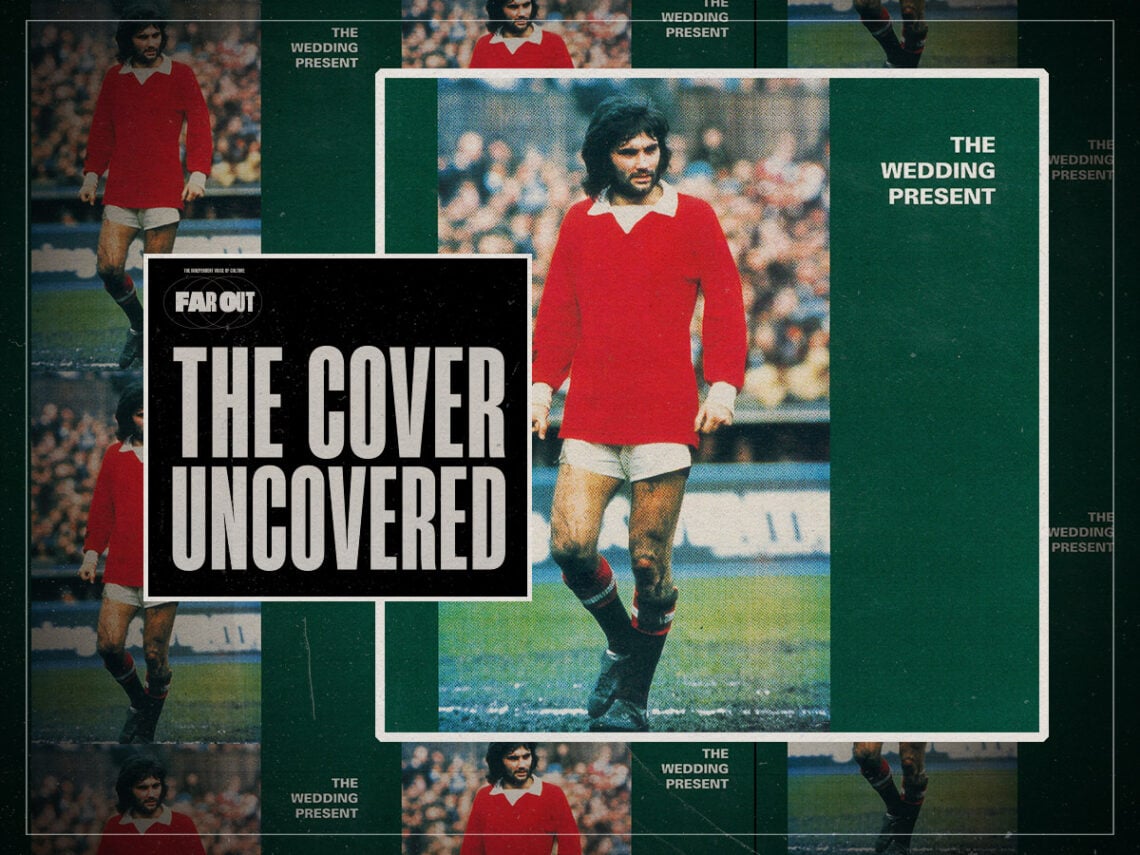
The Cover Uncovered: When The Wedding Present paid tribute to their sporting hero George Best

Music and football have a complex relationship.
While the mind might immediately conjure up images of John Barnes rapping with New Order or pissed-up renditions of ‘Sweet Caroline’ being belted from the terraces when the two pastimes are mentioned in the same sentence, it isn’t all as dismal as these two examples would have you think.
From the tours that post-punk cult heroes Half Man Half Biscuit used to schedule around Tranmere Rovers’ away fixtures to the inexplicable fact that Harry J Allstars’ instrumental ska classic ‘Liquidator’ is the song of choice played as five different clubs in the UK walk onto the pitch, there are some things that link music and football in far more culturally fascinating ways than Fat Les’ ‘Vindaloo’.
However, it’s one indie rock cult classic that ultimately went one step further through a tribute to one of the sport’s greatest icons in the album title and artwork, and no, it isn’t Tori Amos’ 1996 masterpiece Boys For Pele, which has nothing to do with the Brazilian three-time World Cup winner.
More than a few eyebrows were raised when Leeds outfit The Wedding Present chose to call their 1987 debut album George Best, while adorning the cover with a picture of the legendary Northern Ireland international, not just because the usage of football-adjacent iconography was unexpected for a band who were peddling jangle-pop, but because of how loaded the decision was for a band based in the Yorkshire city.
“It’s just an album title,” frontman David Gedge later protested in a 2014 interview with Brighton’s Finest, as if to absolve himself from any and all criticism from their Leodensian fanbase, “It was because of growing up in Manchester and being a Manchester United supporter”. For Gedge, who was born in 1960, he would have grown up during the peak of Best’s playing career on the red side of Manchester, and to many youngsters in the late ‘60s, he was the epitome of coolness, if not the very first example of a rock and roll footballer.
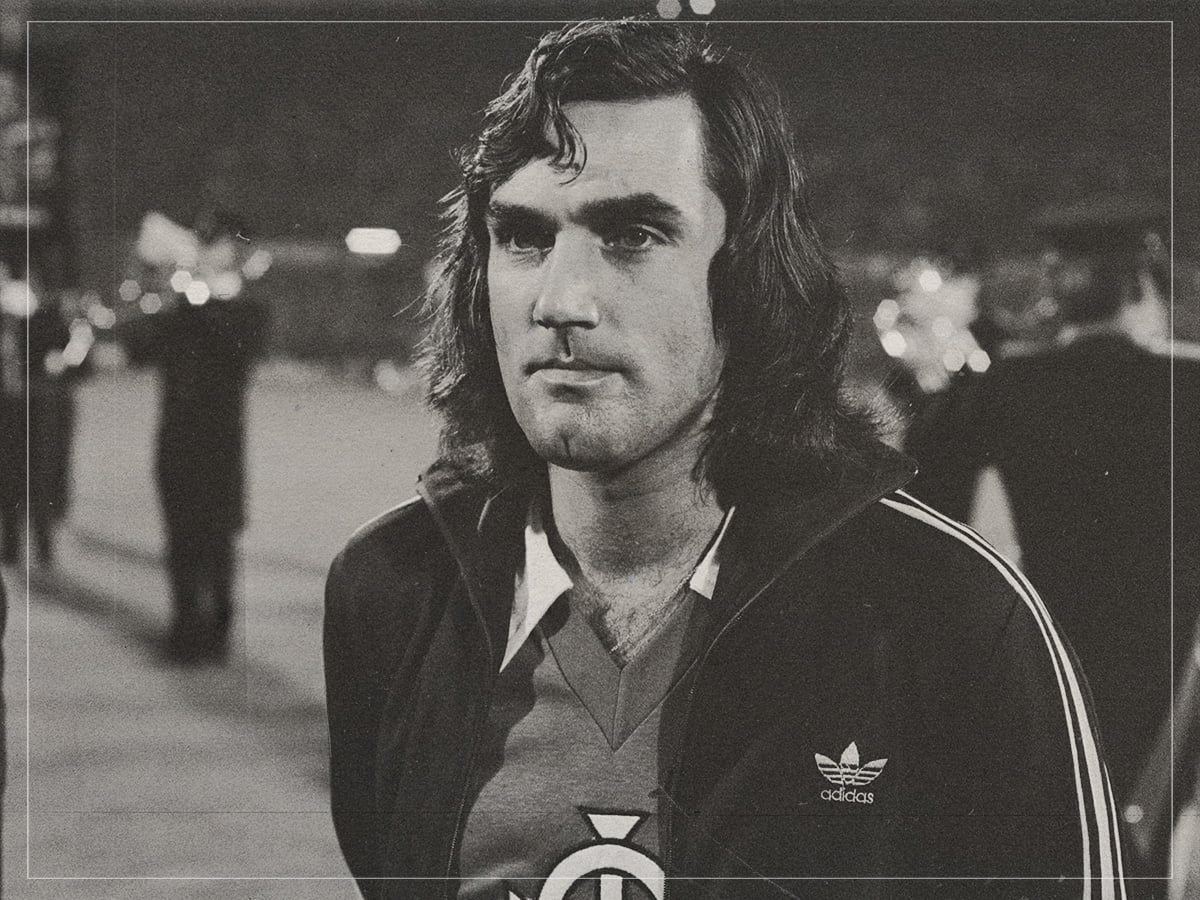
From his slick playing style to his image as a beer-drinking, model-courting socialite with long hair and striking fashion sense, Best was far more than just a footballer. “It was that kind of cultural thing that was a massive influence on me,” Gedge reaffirmed, but it wasn’t just him who was enamoured by the Belfast-born Best.
“We went to a sports picture agency, and they let us rummage through the filing cabinet of his images,” Gedge continued, explaining how he even landed upon the cover and title. “I saw that picture and thought it was a great LP sleeve. It is a bit of a weird thing; it is a bit confusing. Why is it called George Best? It’s nothing to do with the band, there is no song called ‘George Best’, no reference to him at all on the album.” While the story itself isn’t exactly perplexing, according to Gedge, some even made the mistake of thinking that Best had released an album entitled The Wedding Present, which, frankly, probably wouldn’t have sounded all that great.

However, it wasn’t just this bizarre choice of stock photo for the album cover and its matching album title that The Wedding Present had as a means of paying tribute to their sporting hero, as the band managed to wrangle Best to accompany them for a promotional photoshoot.
Via their press officer, they managed to speculatively get in touch with Best’s agent, and were floored when he agreed to the invitation, something that both stunned and frightened the band. Best was arguably the most confused by the situation, having evidently not been keeping close tabs on the Leeds indie rock scene of the late 1980s, and having to field questions about football and fishing from a bunch of youngsters who had clearly taken a running gag too far for their own comfort.
The tipping point, however, was the band’s decision to print merchandise with Best on, with t-shirts being available at all of their tour dates. Of course, these would have gone down a treat in certain parts of Manchester, but their hometown crowds weren’t having any of it. “As soon as we got to Leeds, the sales just dropped,” Gedge laughed, “I’ve had people say, ‘I love the album, but there’s no way I’m going to wear that shirt’.”
Simple, iconic, yet astoundingly controversial, George Best is perhaps one of the most immediately recognisable album sleeves of the ‘80s indie rock scene in the UK, and regardless of whether you’re comfortable publicly supporting the player, there aren’t many other footballers whose personality off the field is quite so deserving of its place in rock and roll history.
