


The very first movie to address the climate crisis

Whether you choose to believe it or not, the facts of climate change show that the world is getting warmer. In the summer of 2023, the world noted the hottest June on record, whilst mere weeks later, the aptly named Death Valley in California, USA, sweltered under heats that topped 55 degrees centigrade, a recording that was extreme even for one of the hottest places on the globe.
Despite this existential crisis having threatened life on Earth since the 1800s, it’s only really been in the 21st century that people and concerned charity organisations have woken up to the truth. Indeed, national governments across the globe have been hesitant to commit the funds to address the crisis unless adverse weather conditions have already affected their own shores and landscapes.
Public support to help solve the crisis spiked as the world entered the new millennium, with the 2006 documentary An Inconvenient Truth, written by politician and environmentalist Al Gore, causing widespread discussions, winning two Academy Awards in the process. Raising public awareness of global warming, the documentary called for immediate action and was later joined by other pivotal films like the sensationalist disaster movie The Day After Tomorrow and Pixar’s environmental animation Wall-E.
As the existential issue became part of the dialogue of everyday life, movies began to regularly engage in the conversation, becoming integral to the plots of countless favourites as the world plunged deeper into the 21st century.
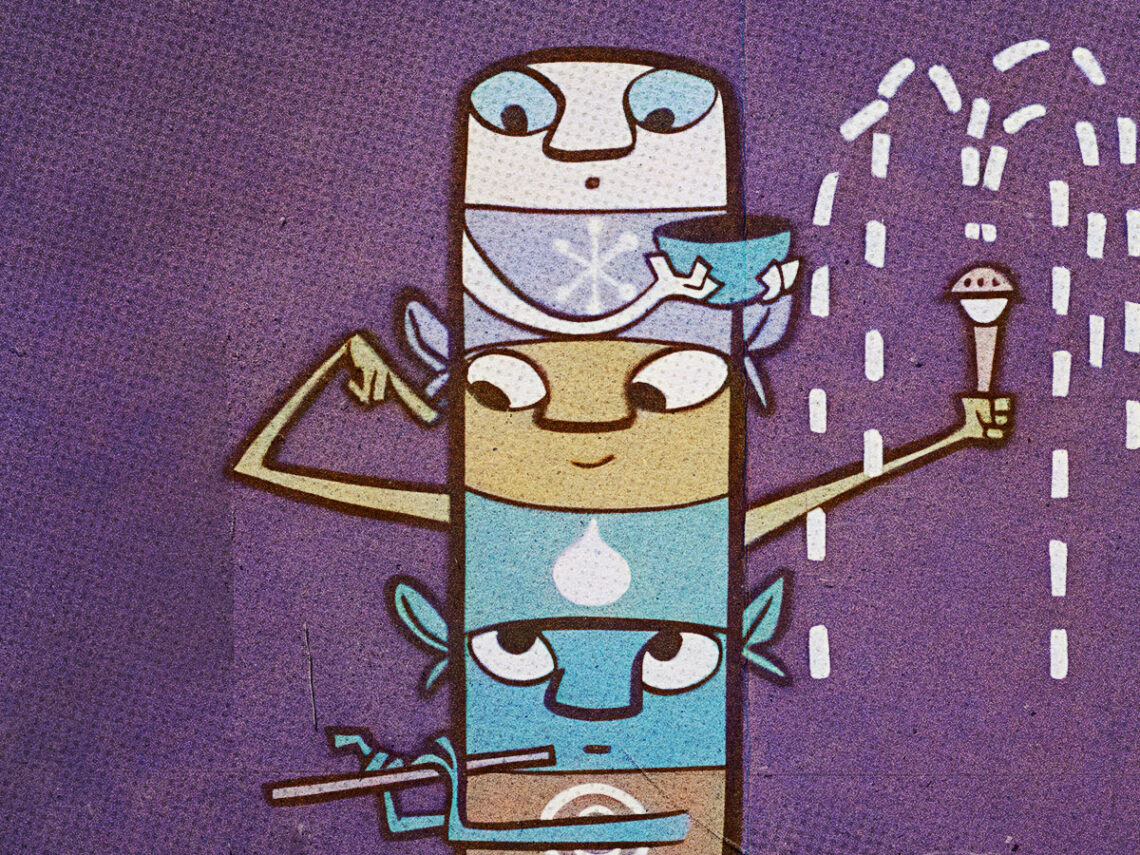
Though surprisingly, the first movie to ever mention the climate crisis came all the way back in 1958 with the release of The Unchained Goddess, an animated film by directors Richard Carlson and William T. Hurtz. Made nearly 50 years before Al Gore would win awards for his part in An Inconvenient Truth, the animation was produced by the director behind It’s a Wonderful Life, Frank Capra, and would state factual proof about changing weather conditions that went largely unheeded by the masses for decades.
One of four films created for The Bell Laboratory Science Series, the animation contained some pretty unprecedented views concerning climate change, with the narrator stating at one point: “Even now, man may be unwittingly changing the world’s climate through the waste products of its civilization. Due to our releases in factories and automobiles every year of more than six billion tons of carbon dioxide, which helps the air absorb heat from the sun, our atmosphere may be getting warmer”.
The educational film can be seen for free on YouTube and provides sobering viewing in a world that has gotten a whole lot warmer since 1958.
