


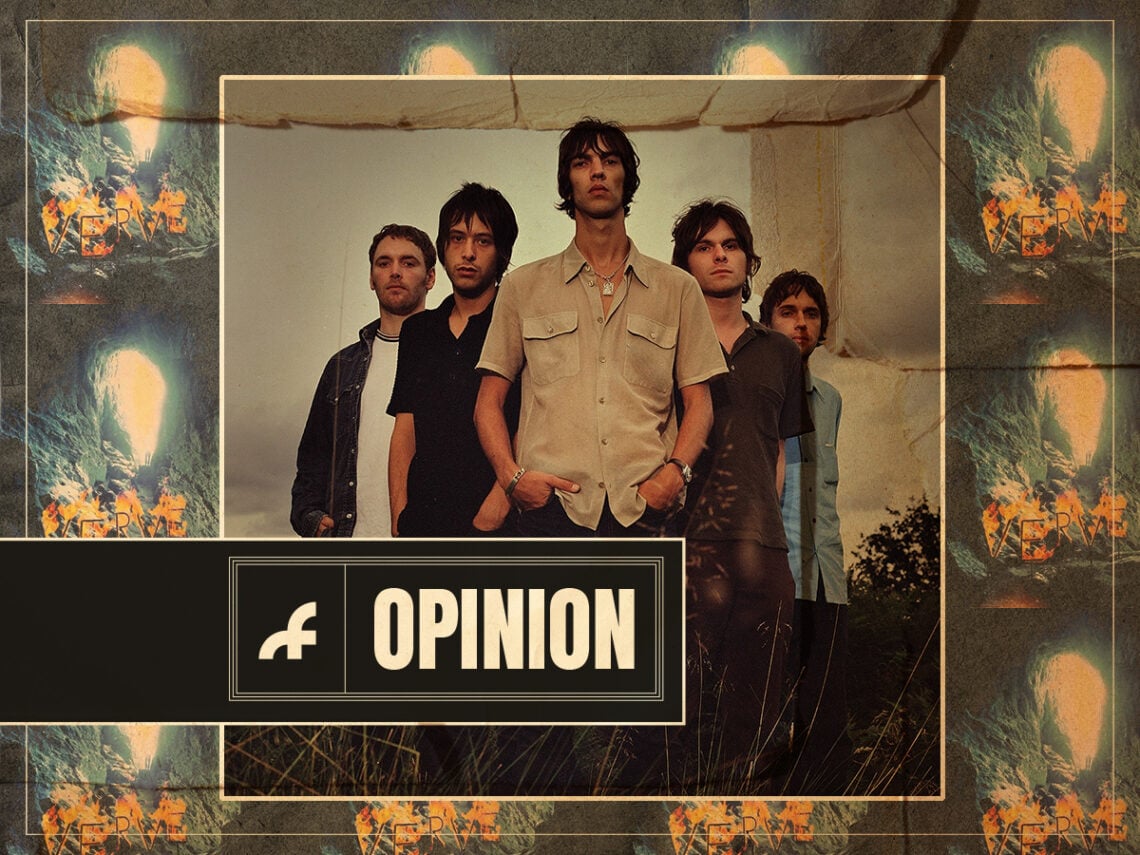
Hear Me Out: The Verve album ‘A Storm in Heaven’ is an underrated psychedelic classic

Most people recognise the music of The Verve, even if not by their name. From ‘Bitter Sweet Symphony’ being used to soundtrack England football on terrestrial television to ‘The Drugs Don’t Work’, one of the defining number ones of the 1990s—released the day after Princess Diana’s death and capturing the nation’s heartbroken mood—their songs are some of the most beloved in British rock. While many listeners associate the band with the Britpop era due to the success of 1997’s Urban Hymns, The Verve had a long and compelling history before that.
While the first three Verve albums are excellent, their debut, 1993’s A Storm in Heaven, is an overlooked psychedelic masterpiece, a cult record in every sense that presents a much different band to the bucket-hat-associated one we would lap up at the end of summer 1997. After its release, the shimmering, textural guitars of Nick McCabe and Richard Ashcroft’s powerful lyrics and vocal performances would evolve significantly. However, the sonic character of the quartet’s debut stands in stark contrast to the anthemic sound that would later capture the nation’s imagination just four years on.
Although some of the finest moments on Urban Hymns are tinged with its intoxicating spirit, as are those on the criminally overlooked 1995 follow-up A Northern Soul, something about A Storm in Heaven separates itself entirely from what came after it. The LP is a transcendental, washy, and immensely narcotic listening experience, akin to being stuffed full of drugs wandering the verdant countryside on a heady summer’s day. It is, in every sense, a psychedelic record from start to finish and one of the most overlooked instalments in the genre’s history.
Often mistakenly labelled a shoegaze album, The Verve’s release diverges from that genre and the other ethereal sounds gaining traction in the early 1990s. It is far more immersive than most records of its time, with the exception of My Bloody Valentine’s 1991 masterpiece Loveless and Swervedriver’s 1993 release Mezcal Head. The latter, arriving just three months after A Storm in Heaven, shares its own far-out, shimmering qualities that envelop the listener, whether sober or not, as they sink deeper into a vivid, introspective experience.
A constantly evolving record, reminiscent of a psychedelic experience, it’s both muscular and fluid, glittering yet haunting. A Storm in Heaven carries a deeper authenticity than many of the more contrived works by prominent shoegaze groups of the era, aside from the standout efforts by My Bloody Valentine, Ride, Slowdive, and Swervedriver. What sets it further apart from the shoegaze scene is its consistency; in a period when few albums from the genre were exceptional from start to finish, this one truly stands out.
Fusing baggy, classic rock, psychedelia and flecks of what you might dub shoegaze if only accidentally, the album stands on its own. It is purely A Storm in Heaven, an apt name for a record so celestial but assertive. It’s an affecting listening experience that manages to pull you from wherever you might be, in the bedroom, car or the park, and make good on the pillars of psychedelic rock set in the late 1960s while doing something refreshing with it for their generation, via the Second Summer of Love and a generally unrestrained creative approach.
While the meditative groove of the opener ‘Star Sail’ typifies the character of the album, perched on Simon Jones’ warm bassline and McCabe’s utterly brilliant fretboard work, which is elemental but also deeply enchanting, each stop on the record is another chapter in what is a total sonic odyssey. Whether it be the enveloping groove of ‘Slide Away’, the serene ‘Already There’ or the washy closer ‘See You in the Next One (Have a Good Time)’, there’s a strong argument that not is this is the most overlooked psychedelic album ever, but also the ultimate drug album, for those who abide.
It might have its rough edges, particularly after 31 years, but the vast majority of it has not lost any freshness. The tracks mentioned are only a small sample size of what’s on offer, and the bonus additions make it even more edifying.
A man in the pub once told me that if you go out into the countryside on a sunny day and take Pink Floyd’s The Piper of the Gates at Dawn and a tab of acid, you will have an experience that will change your life. That might be true, but I’d wager that if you did the same with A Storm in Heaven and simply listened sober, you’d have a far more compelling time and realise just how exceptional The Verve were years before ‘Bitter Sweet Symphony’.
