


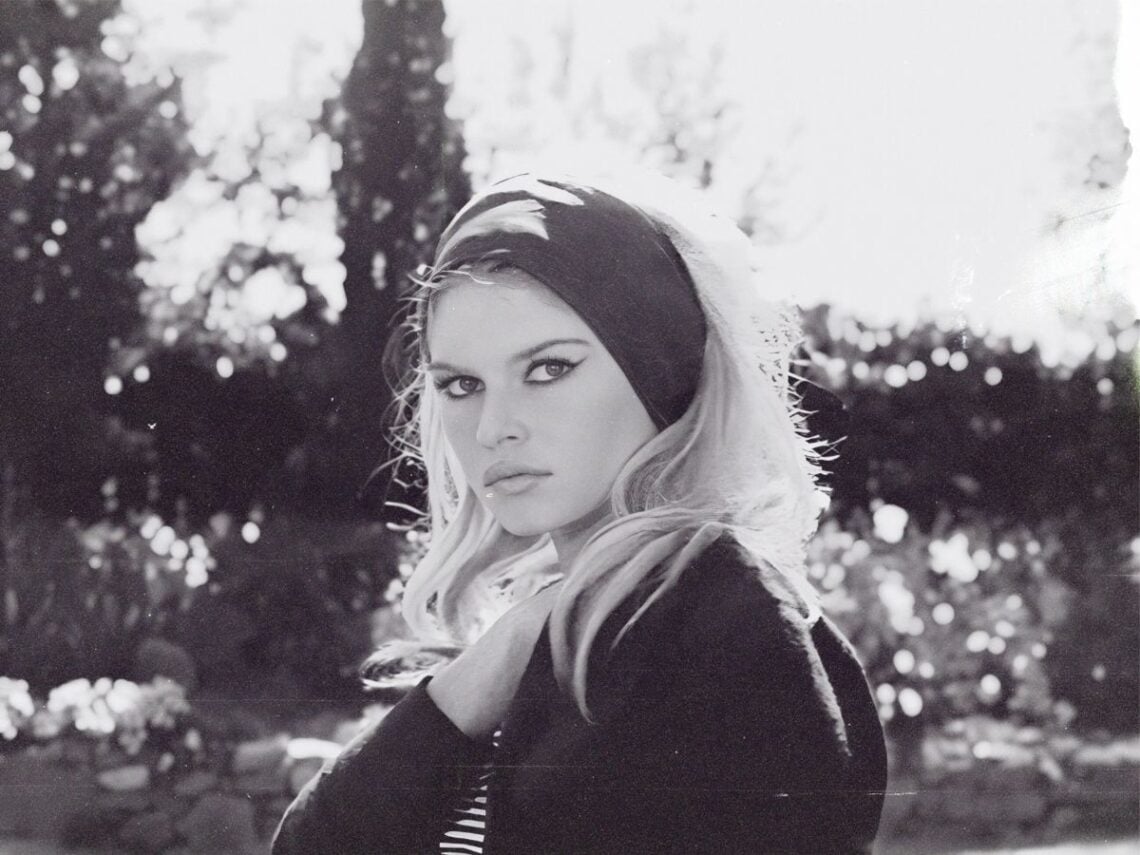
Right-wing views, racism and Islamophobic slurs: the uncomfortable truth about Brigitte Bardot

Brigitte Bardot has never been far from controversy.
In the early days of her career, the French actor was controversial because, unwittingly, she became a vehicle for sexual revolution. Her controversy was emblematic of the good she did; she pioneered sexual liberation, pushing outwards from within the pious angel-of-the-house box women were encased within.
Like an early glimmer of the sexual revolution, Bardot played a free-spirited, sex-positive, scantily-clad orphan in the 1956 Roger Vadim picture, And God Created Woman. Her performance was deemed “lascivious, sacrilegious, obscene, indecent, or immoral nature” by a district attorney in Philadelphia, and it remains one of the most important works of the decade. Here, the “immoral” is a necessary pawn in the game of equality, ushering women’s rights forward in line with the rise of second-wave feminism. Controversy becomes a necessity.
Bardot cut an elegant, youthful figure across dozens of French movies throughout her early career. She became emblematic of feminist freedom, so much so that the British and American press coined the “sex kitten” term specifically with Bardot in mind, fusing unapologetic abundance and self-assurance with coquettish, playful and sexually suggestive behaviour that’d only ever been associated with sin. Our colloquialisms are enshrined in her fearless work.
Though liberating, this was a considerable weight to bear for Bardot, who was victim to endless hordes of paparazzi, exploited and made to feel “inhumane”. Bardot retired at the age of 39 and founded The Brigitte Bardot Foundation soon after, dedicating the rest of her life to animal protection. It was this that the official announcement of death from the foundation honed in on, painting her final image as “a world-renowned actress and singer, who chose to abandon her prestigious career to dedicate her life and energy to animal welfare and her foundation.”
The sensational cinematic legacy of the original “sex kitten” can never be ignored. Feminist theorist Simone de Beauvoir deemed her an icon of “absolute freedom”, evidence of the almighty power her puckered lips and silky blonde up-do had on the art of the possible for feminine subjectivity. But as Bardot receded from the limelight, she slipped further into the echelons of far-right politics, anti-feminist rhetoric, and racist, Islamophobic modes of thought.
In light of her recent passing at the age of 91, we must ask ourselves this: Does this unravel everything that came before?

Brigitte Bardot controversies
Some years after her retirement, Bardot scandalised France with the release of her 2003 memoir, A Cry in the Silence. In the book, the Contempt star denigrates members of the LGBTQIA as “cheap f*ggots or circus freaks”, and brands the unemployed as people “who only accept jobs on the black market … and cash in on taxpayers’ money”.
In the same book, the private-school attendee also deemed schools “dens of depravations filled with drug dealers, young terrorist clubs and condom users”. Bardot also wrote that teachers “come to work unshaven, their hair a mess, their shirts dirty, wearing filthy jeans and muddy trainers”.
This shocked the public, who knew her as a salacious, salient on-screen siren, and not the vitriolic author of questionable polemics. But it was a change they’d soon get used to. In 1996, Bardot published a memoir in which she admitted that she saw her only child, Nicolas-Jacques, born out of her marriage with fellow actor Jacques Charrier, as a “cancerous tumour”. In keeping with her love for animals, she admitted she would have “preferred to give birth to a little dog”. Later, she was ordered to pay £28,000 in damages to Charrier and her son.
The controversies surrounding Bardot lay, seemingly, in direct opposition to the empathy her charity work exemplifies. Bardot famously said, “I gave my beauty and youth to men. Now I am giving my wisdom and experience – the best of me – to animals.” And herein lies the uncomfortable truth: victimised by the insatiable torrent of a patriarchal industry that drove her close to madness, Bardot turned towards animal rights. In doing so, she turned her back on humanity.
Brigitte Bardot’s descent into right-wing politics
In 1992, Bardot married her fourth husband, Bernard d’Ormale, an adviser to the ultra-right-wing National Front leader Jean-Marie Le Pen. From there, her right-wing stance only grew. As per Le Monde, she hated the left, the idea of “living together”, and the European Union. She is said to have deemed the Holocaust-denier Le Pen “faithful to his ideas through thick and thin”. Bardot also became a close friend of his daughter, Marine Le Pen, once maddingly calling her “the Joan of Arc of the 21st century”.
Indeed, Le Pen was one of only a handful to share a tribute to the late star, focusing on her resolve: Bardot was “exceptional for her talent, courage, frankness and beauty”, she wrote, before adding, “She was incredibly French. Free, indomitable, whole. She will be hugely missed.”
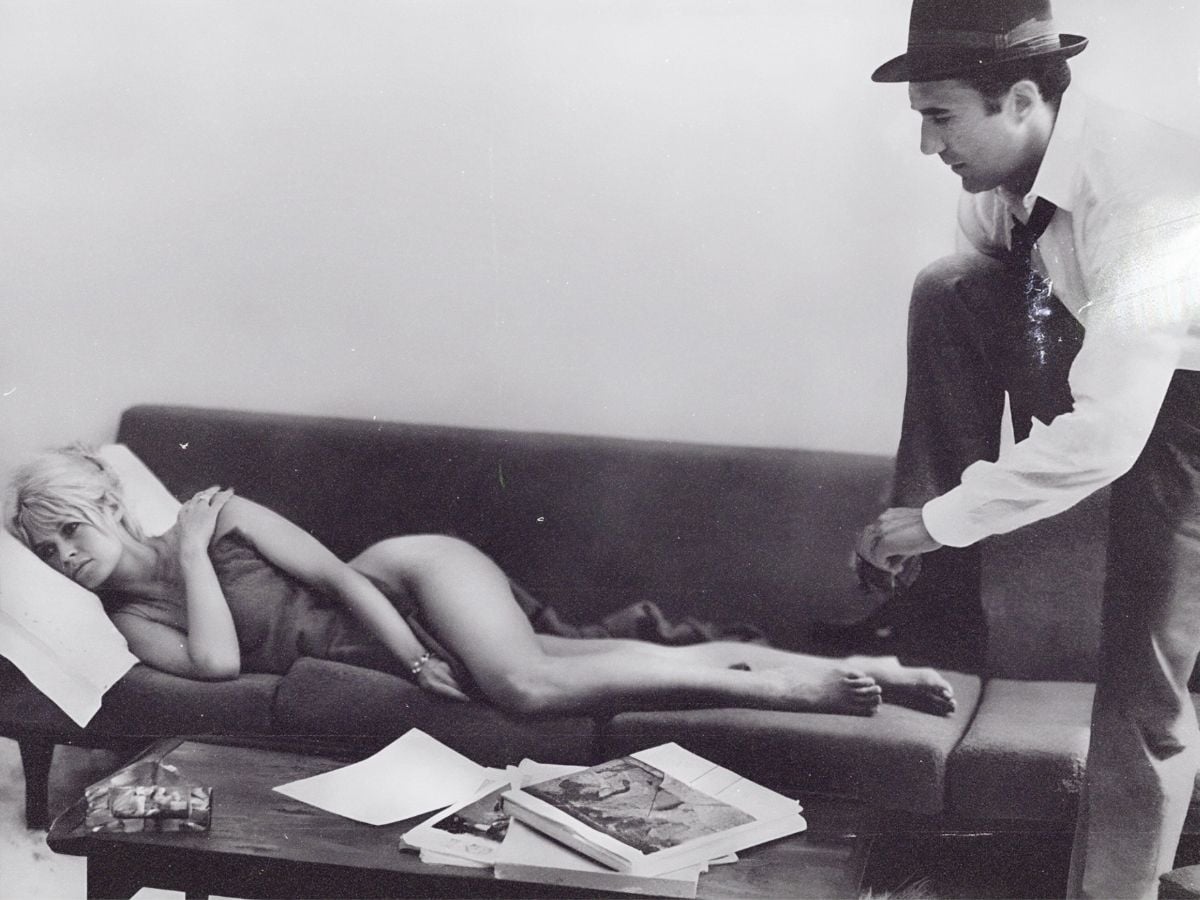
The uncomfortable reality of Bardot’s problematic politics is further complicated by her refusal to soften her stance. “She has the impression that people want to silence her. She will not be silenced,” her attorney shared in response to one of the many lawsuits brought against her.
As such, in 2012, she told Vanity Fair that she did not care about being political, before adding, “I don’t care about looking conservative and awkward. I’m only looking to assuage my soul and protect the animals.”
Bardot was a repeat offender in the French courts for hate speech because she was a firm believer in free speech as a mechanism to spout harmful, anti-humanistic rhetoric.
Brigitte Bardot’s racist and Islamophobic comments
Between 1997 and 2008, Bardot was hauled into court five times on charges of inciting racial hatred. On one occasion, Bardot was fined €15,000 for saying: “I am fed up with being under the thumb of this population [the Muslim community] which is destroying us, destroying our country and imposing its acts”.
She was sued again in 2018 by officials from the French island of Réunion; Bardot had written in an open letter that inhabitants of the island were “aboriginals who have kept the genes of savages”.
Many Islamophobic comments Bardot made were linked to the Muslim festival of Eid al-Adha. The festival involves the ritual slaughter of sheep without prior stunning, a practice she deemed “barbarous”.
As such, she said that France was being “invaded by sheep-slaughtering Muslims”.
Bardot later added that “Islamists have a mania for throat-cutting. I’m not making it up. You just have to look at the television”. Continuing with the inflammatory language, Bardot also insisted that Muslims were “cutting the throats of women and children”.
She warned her fans that “[Muslims will] cut our throats one day and it will serve us right.” Many of her comments have been deeply condemned by the European Jewish Congress, which called her words insensitive and “deeply offensive”.
Brigitte Bardot and the rejection of feminism
Despite Bardot’s seminal work in the realm of female liberation, in her later years, Bardot denounced the idea of feminism altogether. During a rare interview with French broadcaster BFMTV earlier this year, Bardot commented on the #MeToo movement.
She said, “People with talent who grab a girl’s bottom are thrown into the bottom of the ditch. We could at least let them carry on living. They can’t live any more.”
Bardot had expressed this sentiment in 2018 to the French outlet Paris Match. Speaking on the women who have bravely come forward to share their stories, Bardot commented: “The vast majority are being hypocritical and ridiculous”.
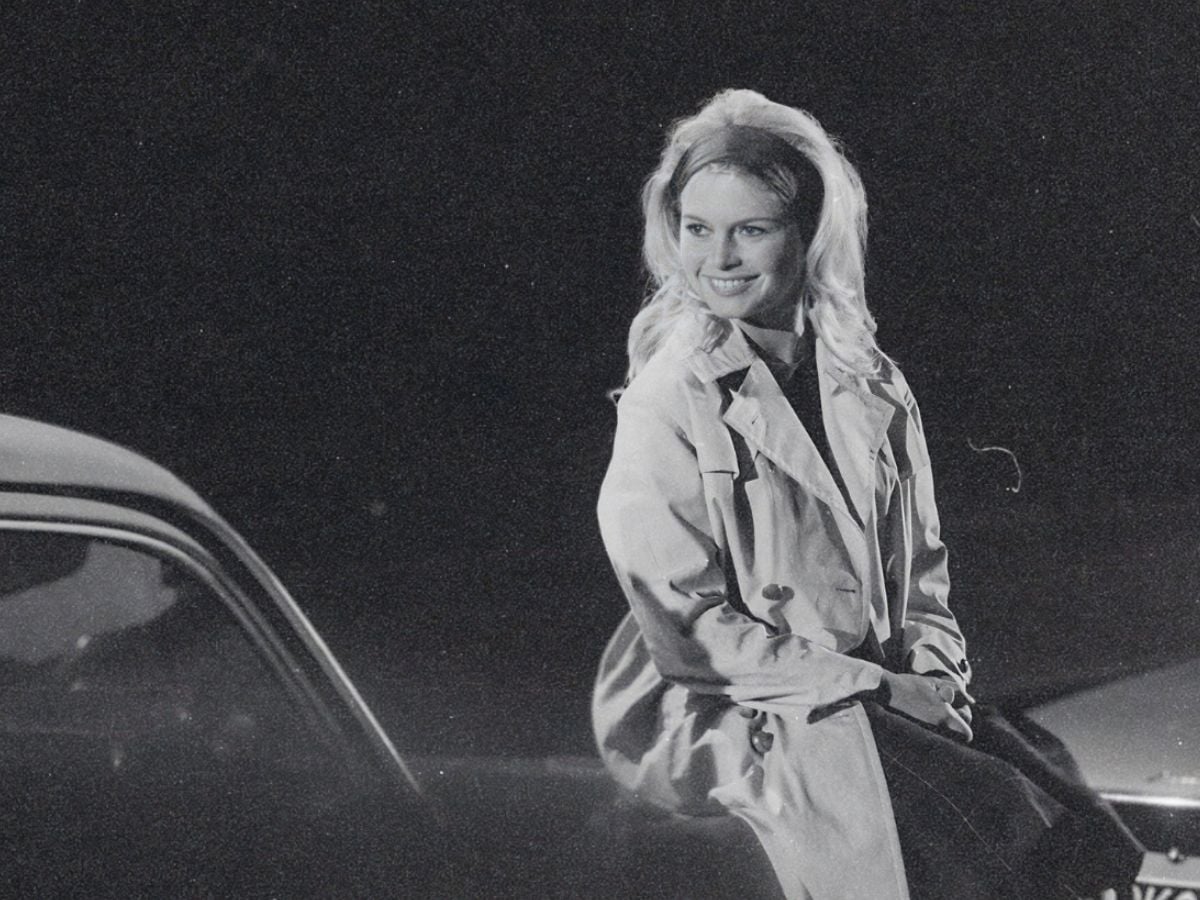
She went on to reflect on her own career, sniping, “I was never the victim of sexual harassment. And I found it charming when men told me that I was beautiful or I had a nice little backside.”
Can we blame Bardot for this? Due to the era she was contained within, her performances radiated a sense of freedom and abandon, but the framework surrounding them was almost always dictated by male desire. The paradoxical stance she maintained later in life rests upon the limitations that befell her; she was allowed to express sexuality only when it aligned with a voyeuristic lens.
We need only read her original words for this to be clear: “Feminism isn’t my thing,” she said. “I like guys.”
For an actor who challenged the inequality of thought in the 1950s and 1960s, it was, in the end, Bardot’s persistent polemical political proclivities that did the most harm to her legacy. It is no wonder Bardot faded into solemn solitude at the end of her life; awareness, openness and community might have changed her trajectory.
Becoming a symbol can be exhausting and alienating. It renders the self into a surface-level, one-dimensional and malleable vehicle for others to project their opinions upon. Is it so surprising that Bardot fell into the steely silhouette of a right-wing denigrator as a consequence of this? Can any one person be separated into their good and their bad sides for the sake of our comfort?
Ultimately, the harm of her words cannot be excused. We might, at the very least, learn from them.
