


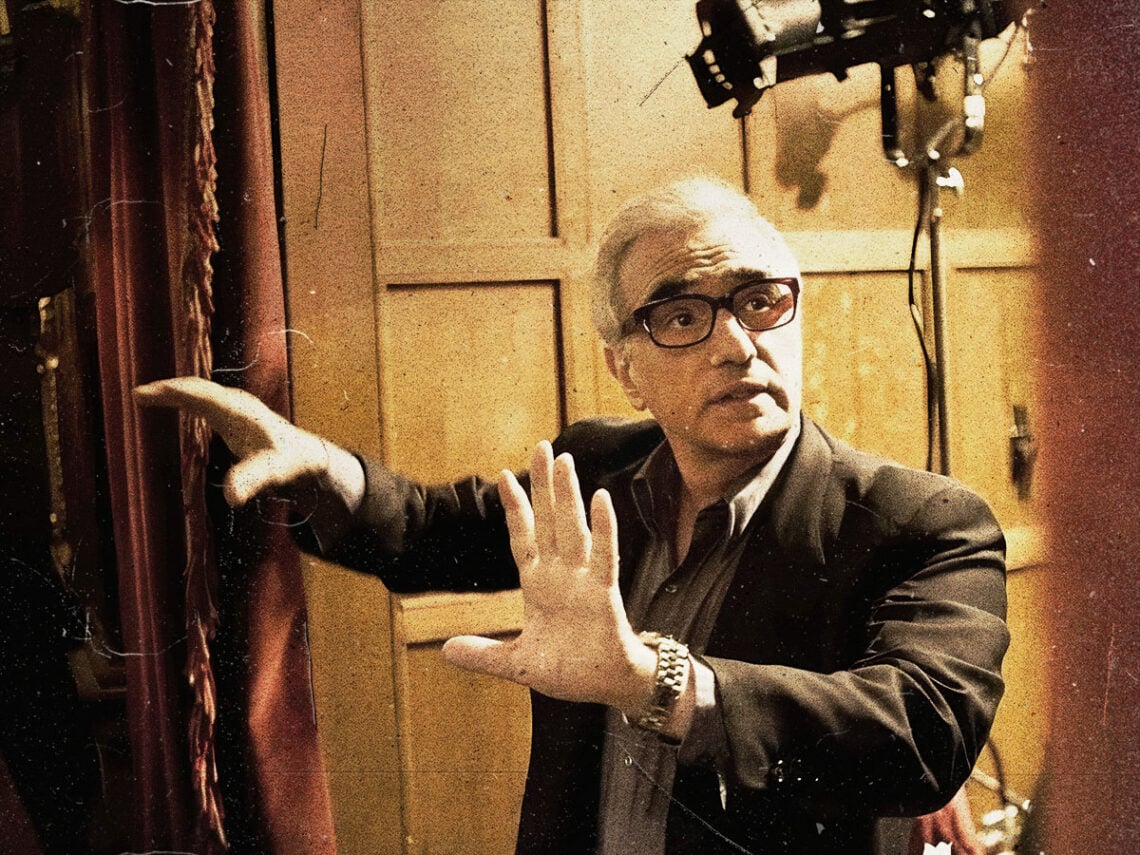
The two movies Martin Scorsese didn’t want to make

Every film Martin Scorsese makes is infused with his unrelenting and unparalleled love of cinema. In everything from the gritty, contrasted lighting of Taxi Driver to the devastating reveal in Shutter Island, you can feel his passion for his craft and his need to tell stories in a faithful and artistic way.
Despite the director’s devotion to his art form, there are two films that the Italian-American has admitted he initially didn’t want to make. Speaking in an interview with GQ about his 2013 Jordan Belfort epic, The Wolf of Wall Street, Scorsese’s reflection on the picture began with the surprising words, “Again, like Raging Bull, I didn’t wanna make it”.
It’s expected that a story as shocking and selfish as Belfort’s might lead to some hesitation, but Scorsese’s doubt actually stemmed from stylistic choices. He felt that the film might be too similar to his previous work on Goodfellas and Casino: “I had done it… What more could I bring to it?” Ultimately, the director found a new angle through character and untethered capitalism.
“Anything goes because you’re making money, it doesn’t matter,” he surmised. Rather than mirroring the organised crime that dominated Casino, though, The Wolf of Wall Street was organised “another way”. Once he understood this, Scorsese experimented with the structure in order to create something unexpected and shocking, a feat he certainly achieved in the final cut.
Scorsese’s trepidation regarding his 1980 boxing hit Raging Bull also seemed to stem from his desire to innovate. Navigating the changing studio system between the 1970s and the 1980s, the dislike for the real-life Jake LaMotta, and the torrent of boxing-focused films, Scorsese had a difficult task on his hands with Raging Bull. Still, the director recalls that they “threw everything we knew into it, not knowing how it was gonna be received”.
Even though his own crew thought LaMotta was a “horror”, Scorsese stuck it out, looking for the humanity in his lead character. “This man may be this way, but still, he’s a human being, he’s got a heart, he’s got a soul. By the end of it, he finds some kind of peace with himself and maybe the others around him. And I think I was going there to try to find peace in myself,” he explained.
Alongside the dislike for his protagonist, Scorsese had to ensure that his movie stood out. With four other films focused on boxing due for release in the same year, including The Main Event with Barbara Streisand and Rocky II, the director opted for black-and-white cinematography to distinguish his film from the rest. Though the film received a fairly substandard reception at the time, it has gone on to become a classic.
Scorsese’s hesitation towards both projects seems to stem from his desire to tell stories in new, exciting ways, something he certainly succeeded in.
