


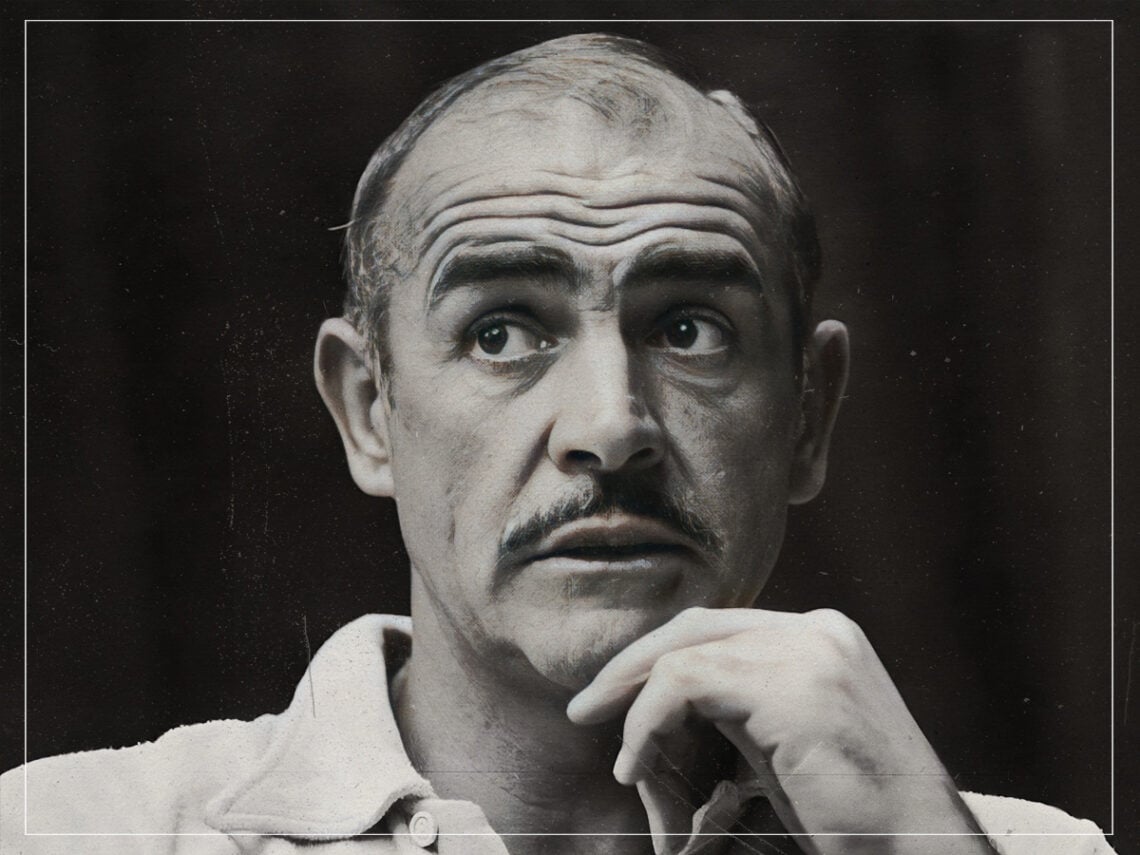
The “tremendous film” Sean Connery called the best he ever made

Sean Connery‘s position as one of Britain’s most beloved actors is undeniable. But, what’s perhaps most impressive is that he has managed to achieve that all the while starring in some pretty below par movies.
Making a career on the basis of his swashbuckling charisma and brutish good looks, Connery has enjoyed some major professional peaks as well as some serious lows. For every iconic role like James Bond there was his unruly costuming in Zardoz. But one picture stands out as not only one of his best but one of the actor’s most favourite, too.
The Man Who Would Be King might not be the first movie you think of when imagining the figure of Connery, but it certainly had an impact on him. The adventure epic, directed by John Huston, featured another prominent British icon in Michael Caine and can now be described as one of the finest moments in both fon their careers.
Based on the famous short story by Rudyard Kipling, the film features two former British soldiers, Connery’s Daniel Dravot and Caine’s Peachy Carnehan, who shockingly decide that colonial India does not have enough for them, and they set their eyes on a new adventure to satisfy their lust for adventure and the riches that come with it. That’s why they set out to explore Kafiristan, where they are mistaken for Gods by the natives. Both Caine and Connery put up great performances as the leads in Huston’s colonial allegory, and it becomes a joyful romp.
The director waited decades to make the movie. Originally casting Humphrey Bogart and Clark Gable in the roles in what would have been a near-perfect duo, that plan was flummoxed by the passing of Bogart. But, the casting of Connery and Caine was perfect, and it neatly matched the pitch of the story, allowing the two men’s natural charisma to bounce off one another like a Newton’s cradle and propel the story into a new space for a more modern audience.
A colonial double act, Dravot and Carnehan are two charming chancers whose friendship fuels the narrative. The two performances act as the two ventricles of the movie’s beating heart. Their witty retorts fizz and pop like a bath bomb in a champagne glass to make a suitably fragrant cocktail worthy of intoxication.
The two strapping actors’ on-screen chemistry was likely fuelled by the fact that they enjoyed a close friendship while not on set. The two men had been friends for some time, having both exploded in the 1960s and enjoyed the trappings of being a British movie star in the bosom of the counterculture explosion, and their camaraderie lent a warmth and believability to the characters.
It was a necessary function to avoid the dangers of falling into caricatures of colonial conquerors. A subject that is not without its problematic moments, they manage to bring a chocolatey richness to the friendship that makes it feel wholesome and makes you want to go along for the ride.
A rapport that delivers on every aspect, it cannot be overestimated how much the movie relies on Connery and Caine. It might well be why, when asked, Connery picked it as his favourite picture from his career.
Connery has an extensive career that is littered with great movies, but the suave man of cinema had only one in mind when he was asked about which was his favourite. “I’m often asked if they were my favourite films, but while they mean a lot to me,” explained Connery, “if I had to name a particular favourite, it would probably be The Man Who Would Be King, which I made with Michael Caine in 1975. It was a tremendous film to make.”
It’s rare that such symbiosis can occur, but it wasn’t just the actors involved in the production who enjoyed it so much; critics loved it too, and it gathered up Academy Award nominations like it did a thankful audience. But perhaps nobody loved it more than the gruff Scot.
