


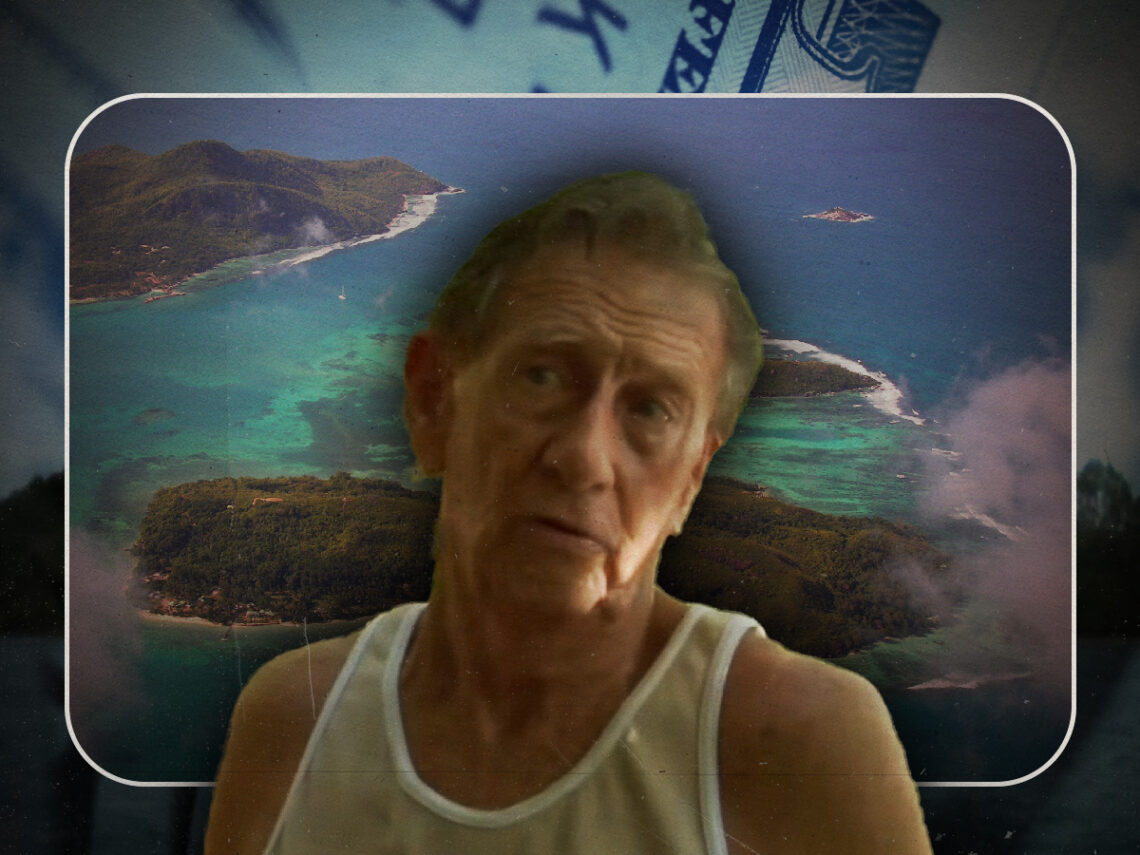
Brendon Grimshaw: The tourist who turned down $50million

The Seychelles is one of the most beautiful places on the planet, and one of the most glamorous, tropical travel destinations, but this is the story of one British man who turned down huge financial riches in order to conserve the environment of one tiny island in the archipelago.
Brendon Grimshaw, born in 1925 in Devon, travelled the world, falling so in love with the Seychelles, which was at the time still a British colony in the Indian Ocean, that he decided to move there. As a journalist, he earned a reasonable, but not extravagant, salary, yet in 1962, he decided to spend £8,000 (around £216,000 in today’s money) to buy Moyenne Island, a small granite outcrop, lying within the Seychelles inner islands, around 24 acres in size. It was overgrown, with thick undergrowth and vegetation and lacked fresh water, buildings, electricity and general infrastructure.
Now, most people buying an island are likely either a multi-billionaire, turning to turn it into a private, secluded bolt-hole, or they’re looking to develop the island and build a resort there, or flip it for huge sums of cash, but not Grimshaw, and what set him apart was that he wanted to restore the island.
He found a local Seychelles man, Rene Lafortune, with an innate knowledge of the environment and region, who shared his deep desire for restoring nature, so they teamed up to spend decades of their life to get Moyenne Island back to its original form.
He cut paths across Moyenne to allow him to navigate, but these were limited to walking only, with no cars or vehicles allowed, and the duo cleared all the invasive species on the island, planted more than 16,000 trees and nurtured flowers and plants that were native to the island, even looking at other islands in the cluster and identifying trees and flora deemed to have disappeared due to human interference.
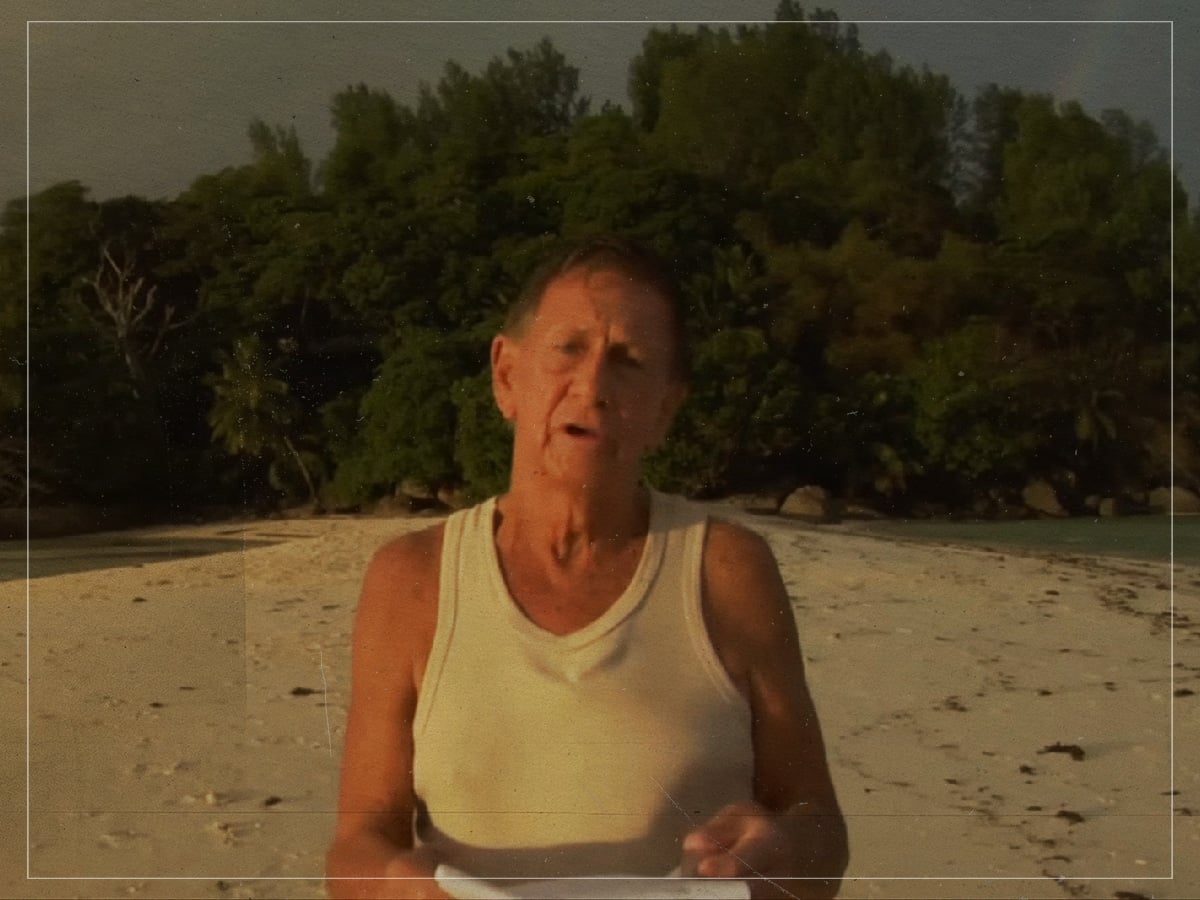
The act that earned Grimshaw the most acclaim was the reintroduction of the giant Aldabra tortoises to the island, which are native to the Seychelles and were pushed to near extinction. Amongst the tortoises, the trees and the birdlife that he had returned to the island, there was also his home, a small, simple house, without many of the amenities that we’re used to in modern life. He had to travel to nearby islands for food, and his fresh water supply needed to be very carefully managed, but for him, it wasn’t about living a dream tropical life but finding purpose in restoration.
As the years rolled by, the country around Moyenne Island changed dramatically, with the Seychelles becoming a go-to holiday destination, and tourism to the region increasing at a rate of knots. Islands were being developed with big, glitzy hotels and private villas for the uber-rich, a trend of expansionism which Grimshaw saw and was repulsed by. He deemed it human greed, quite in contrast to what he was building Moyenne to be. He opened the island up so that visitors could come, but it was all kept minimal and ecologically sound, with only limited numbers allowed in, and everything done to protect the animals and fauna, alongside an entrance fee charged to put back into the conservation of the island.
With developers turning other islands into exclusive resorts, it was only a matter of time before offers started raiding Grimshaw’s doorstep, which saw him rejecting a number of eye-watering figures to sell Moyenne. Whether that was offering shares in the resorts that would be built, or cash offers to buy outright, with rumours of a $50million offer coming from Saudi Arabia.
The place was always about conservation, never money, and he lobbied for Moyenne Island to receive protection from the Seychelles government. In 2009, his dream was realised, and Moyenne Island was declared a national park, part of the Saint-Anne Marine National Park area.
Sadly, his good friend Lafortune died two years before this news and after which, Grimshaw too passed away in 2012, at 86, with both buried on the island, next to each other. Brendon Grimshaw was a man with simple, honest dreams, but his story tells us about the power of purpose and redefines what we see as success. He might have passed on generational wealth, but he achieved something even more special that would last longer, and today, the island is safe, stands as a beautiful tropical paradise, a haven for wildlife, and a monument to his lasting legacy as an individual who made a difference.
